

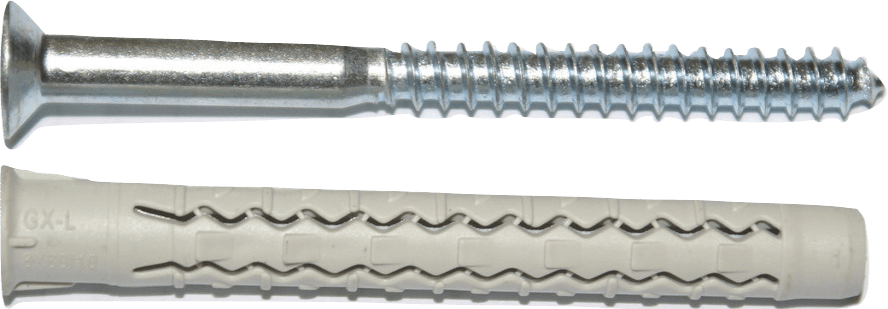
GX-L Nylon Plug
Universal nylon anchor plug with European ETA approval — for concrete, hollow block, Ytong and stone cladding, tested at the Israeli Standards Institute.
The Adit nylon plug family
Choose the right universal plug for your base material, load and approval requirements.
Technical specification
| Property | GX-L Nylon Plug — universal, European approval |
|---|---|
| Anchor type | Universal nylon (polyamide) plug for concrete and blocks |
| Technology | Threaded nylon anchor |
| Plug material | PA6 polyamide |
| Screw material | C1022 steel / SS316 A4-50 stainless steel |
| Sizes | M8, M10 |
| Embedment depth | 70 mm (all sizes) |
| Base materials | Concrete, hollow block, Ytong (AAC), anchor-grade Ytong, pumice block, silicate, Thermodan |
| Max failure load (M10, concrete) | 6.2 kN — pull-out and shear |
| Standards | European ETA 12/0261 · Israeli Standards Institute testing · ISO 3506-1 (stainless steel) |
| Approvals | European ETA 12/0261 |
Downloads
Proven in the field — selected projects in Israel
GX-L nylon plugs are installed in hundreds of stone-cladding and anchoring projects across Israel.
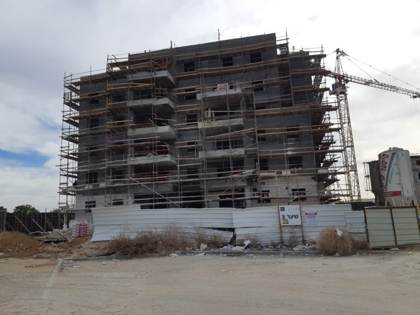 Sha’ar Ofakim, Megiddo
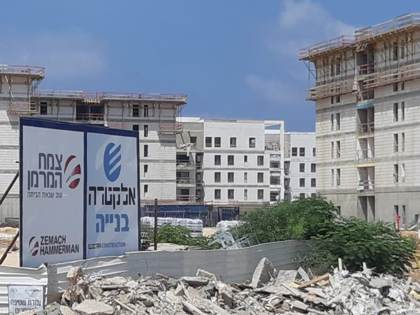 Akhziv, Nahariya
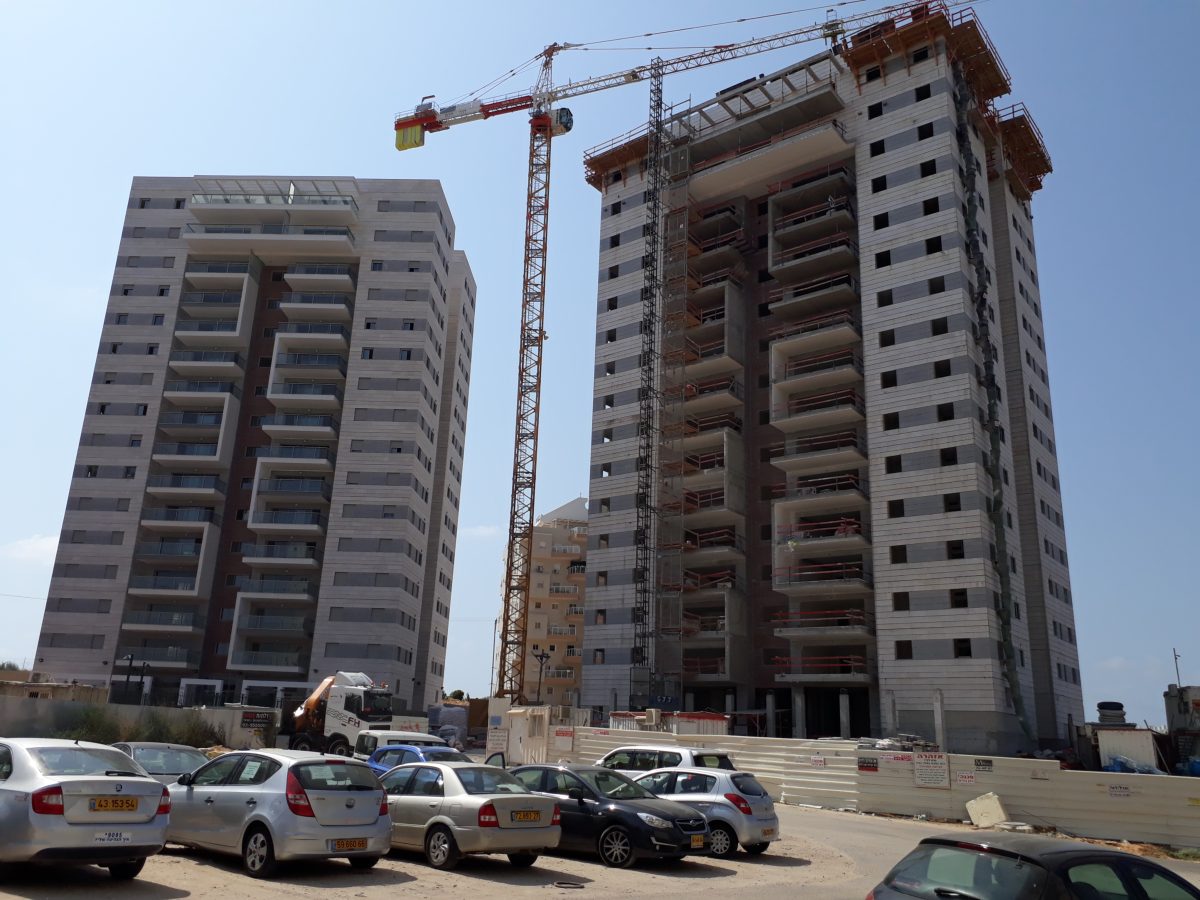 Danya Cebus buildings, Rehovot
 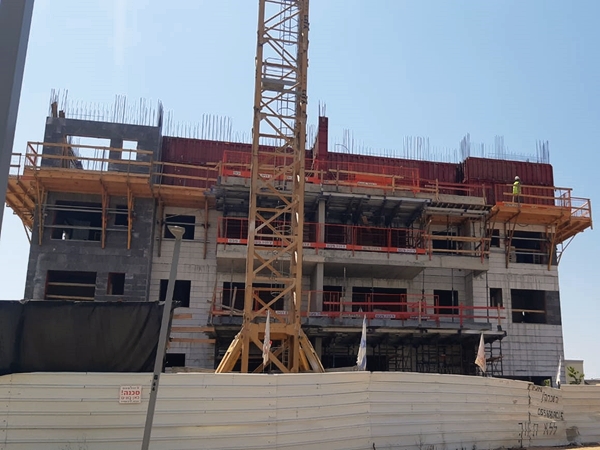 Danya Cebus building, Kfar Yona
  Victory Buchman buildings, Modiin
 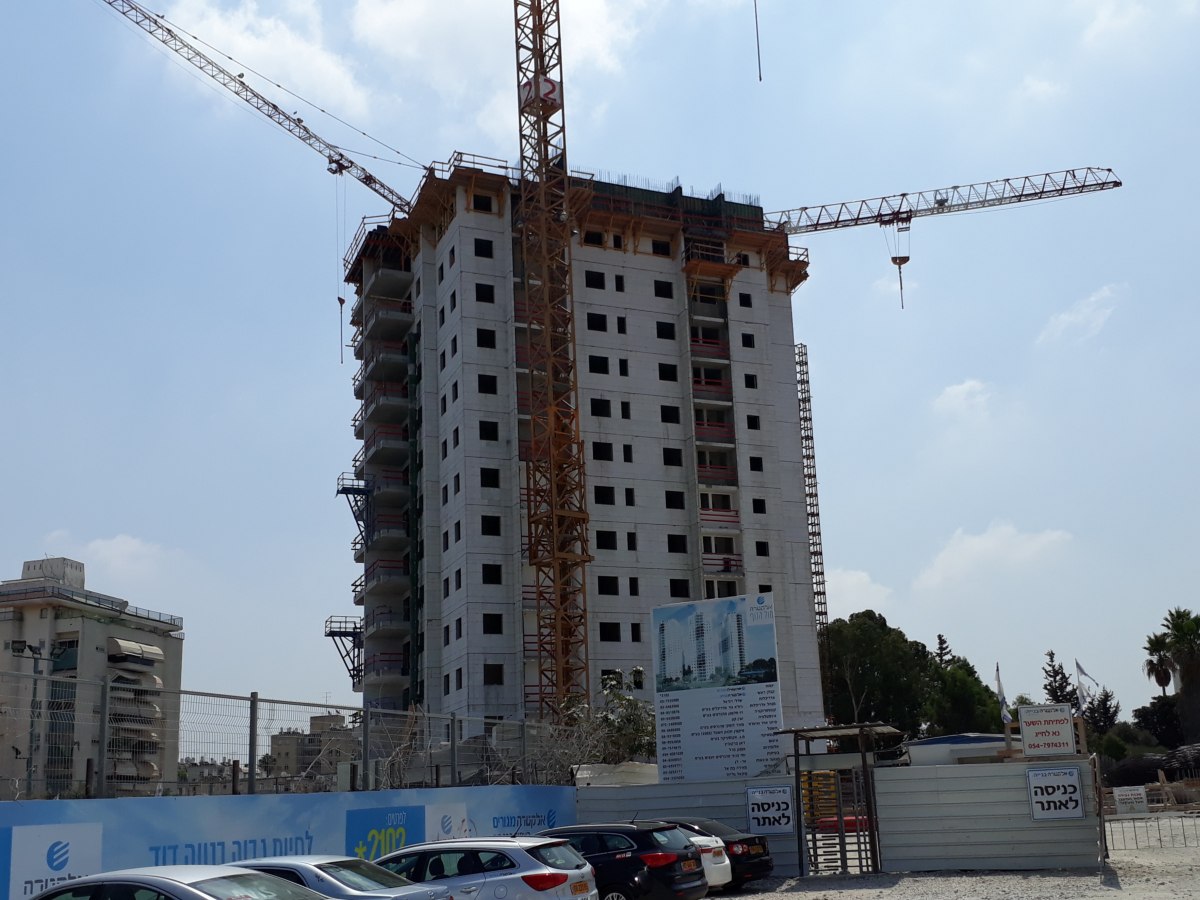 Electra buildings, Ramla
 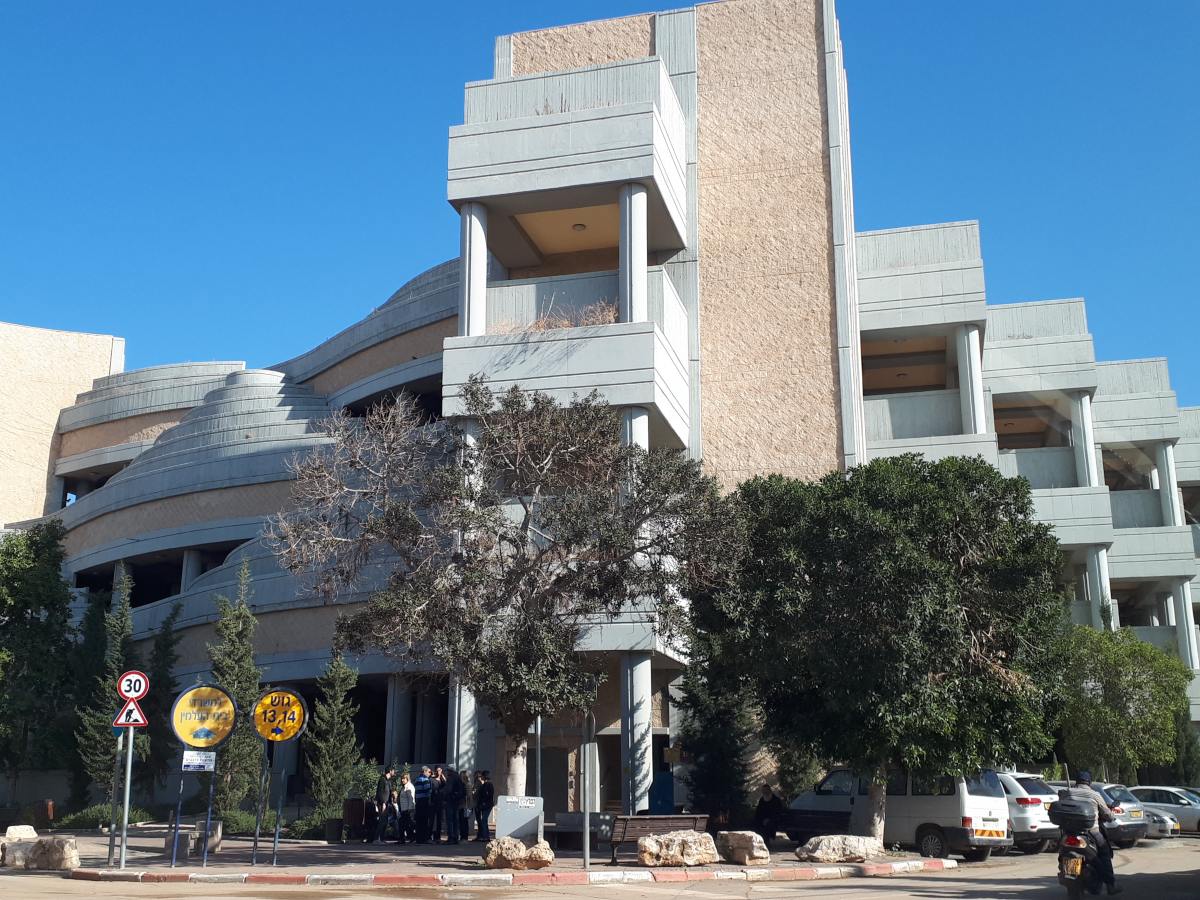 HaYarkon cemetery, Petah Tikva
 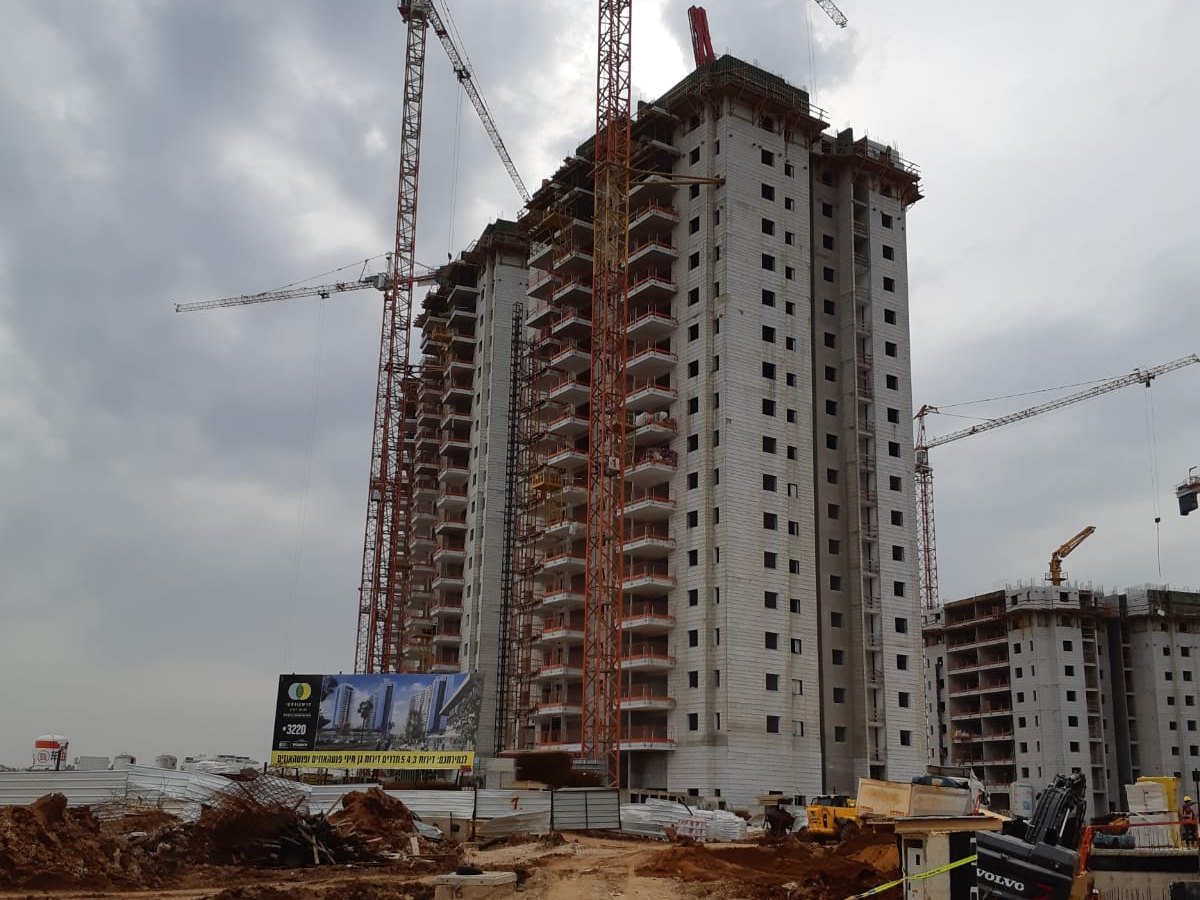 Prashkovsky affordable housing, Ramla
 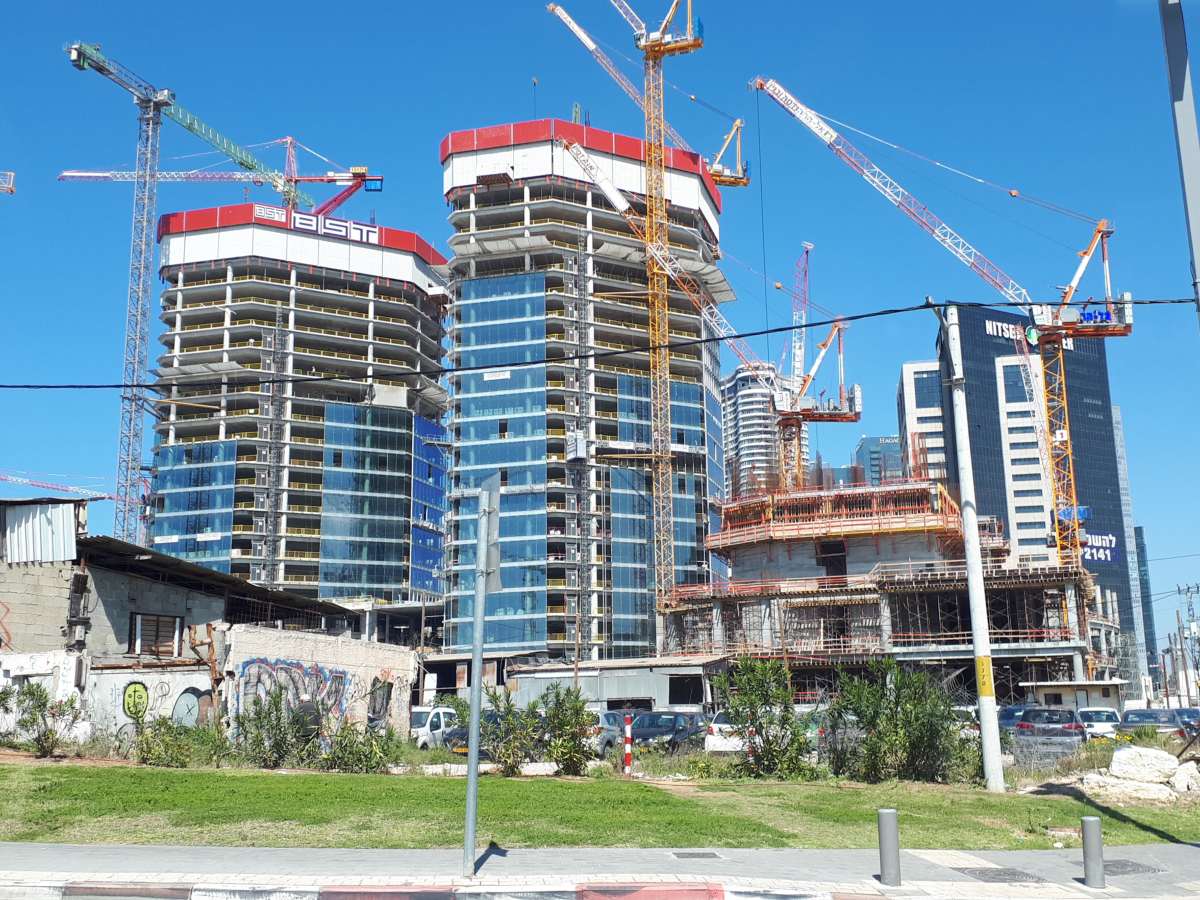 Rubinstein Towers, Tel Aviv
 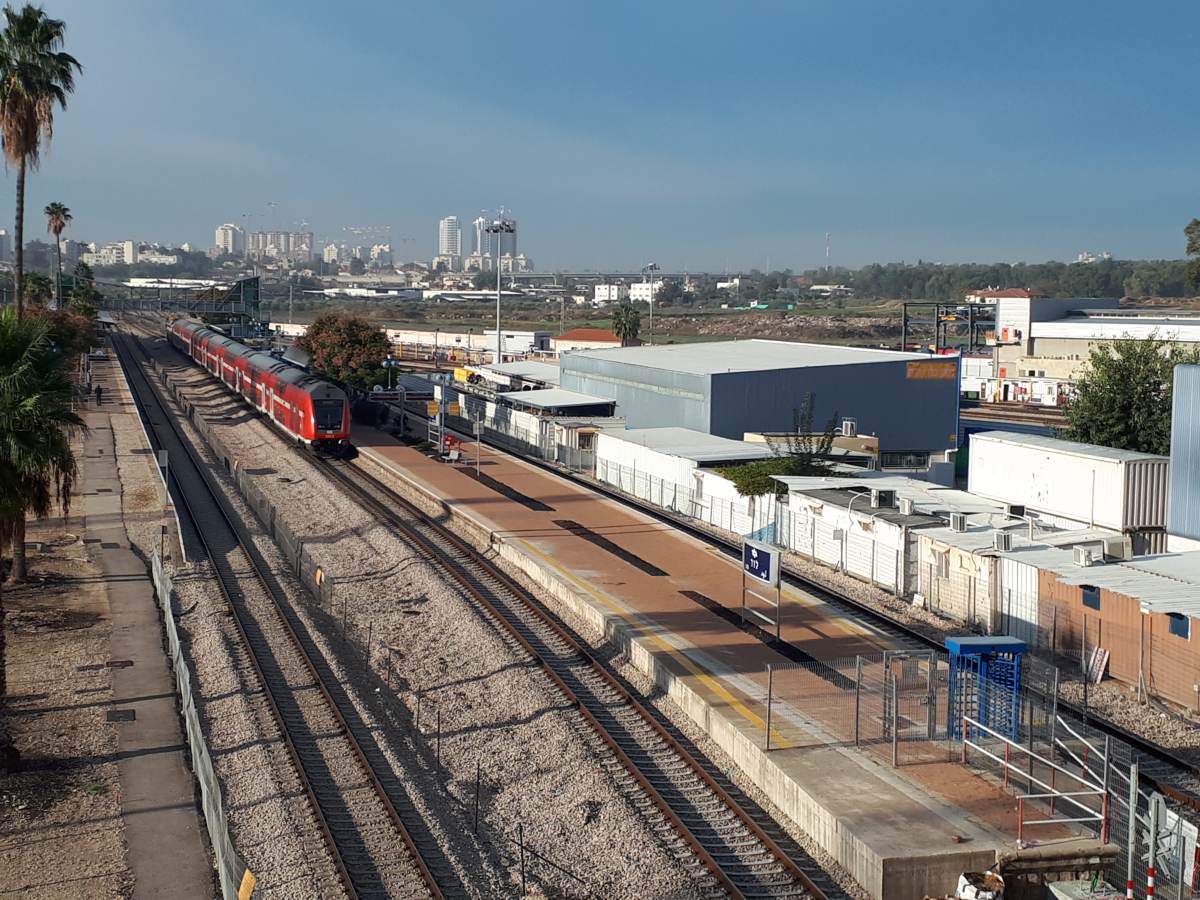 Jerusalem railway
 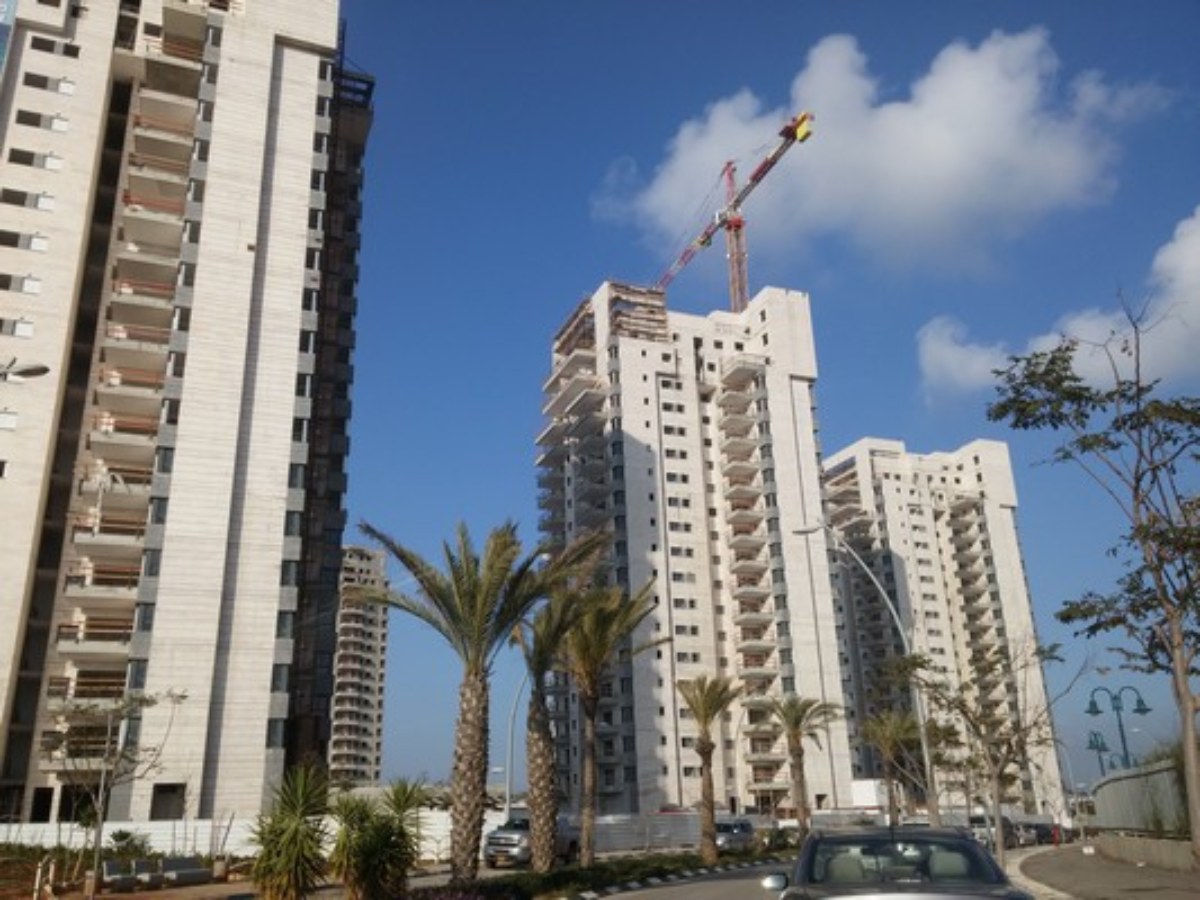 Ben Rahamim building, Or Akiva
 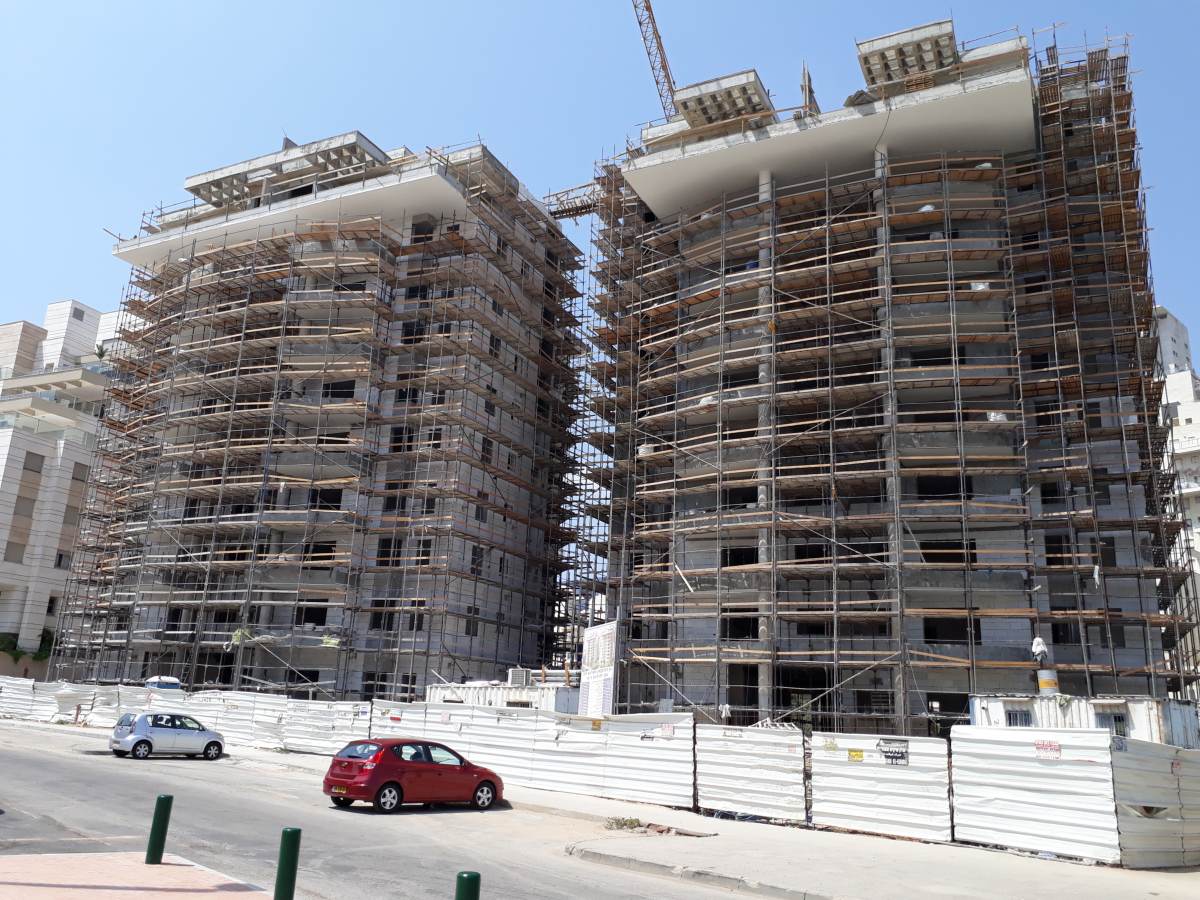 Halomot Nahalat Rishon buildings, Rishon LeZion
 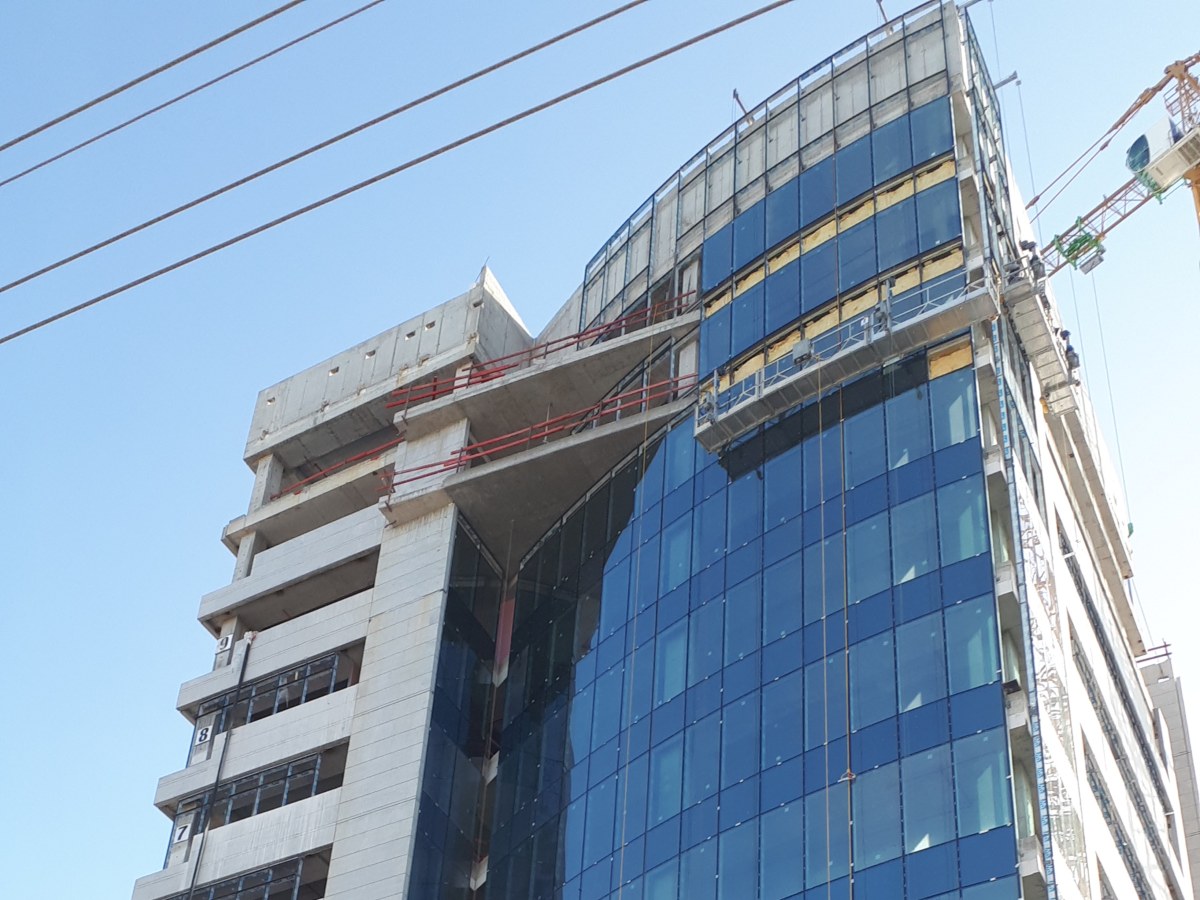 HaHagana St. towers, Rishon LeZion
 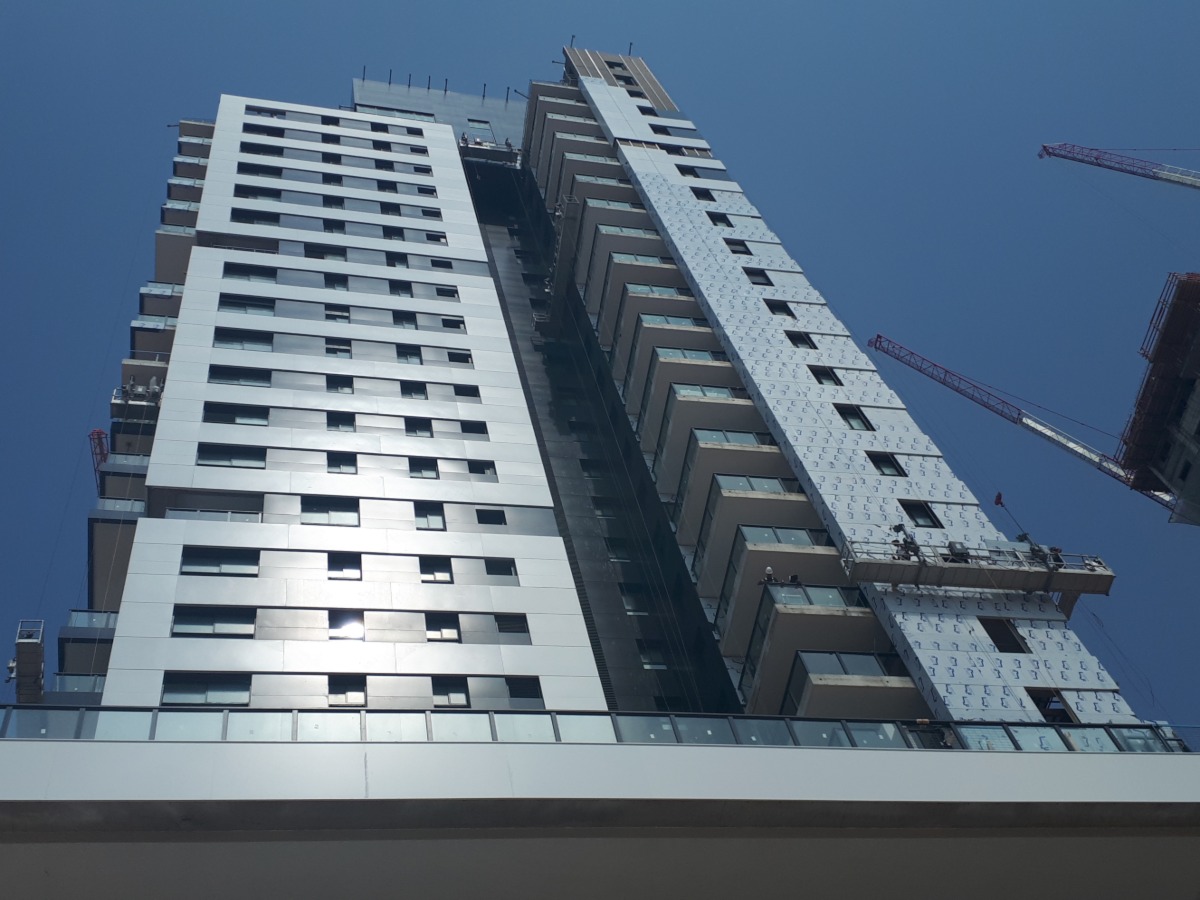 Electra Al HaYam tower, Bat Yam
 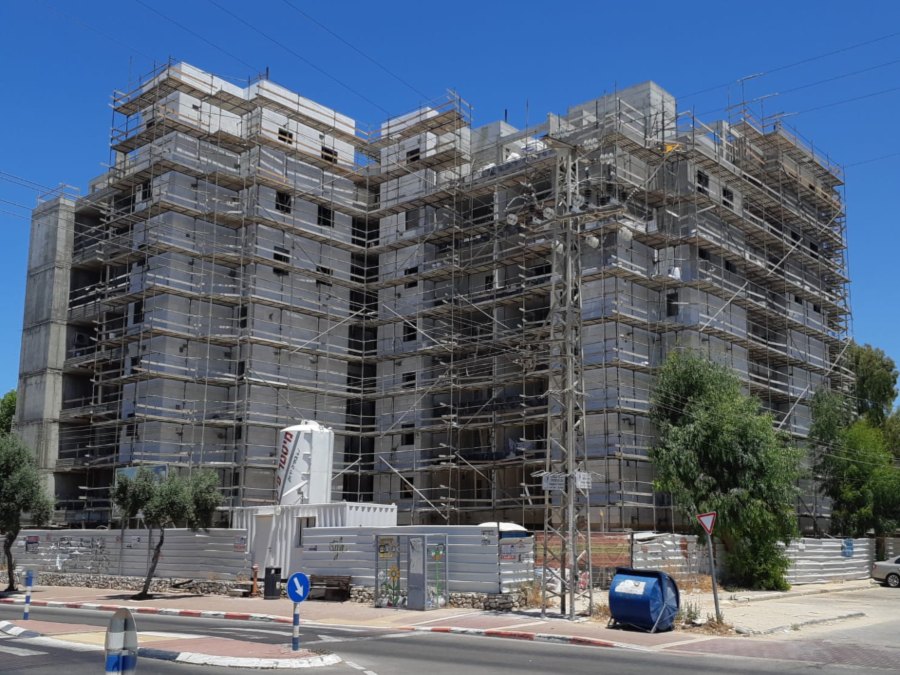 Kalaniot 44 St. buildings, Ashdod
 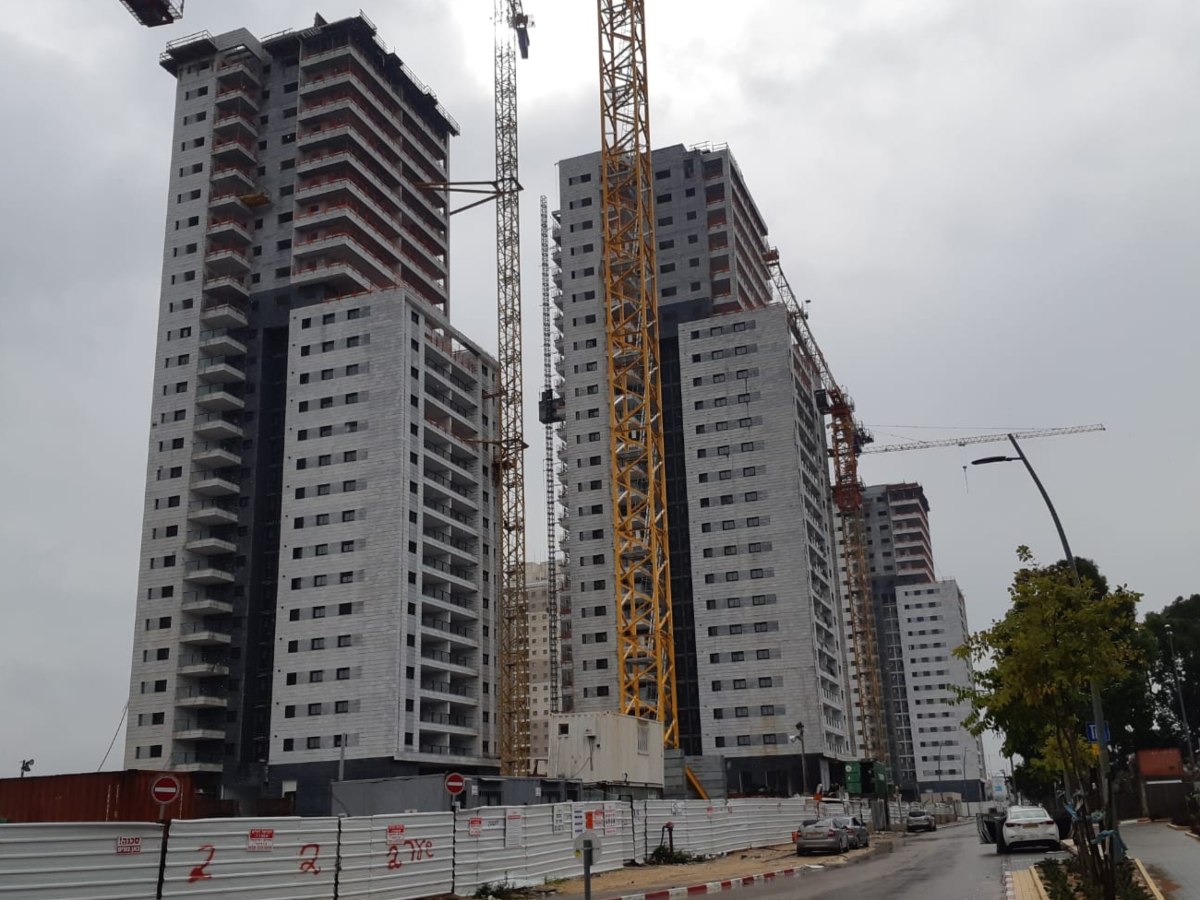 Affordable housing, Rishon LeZion
 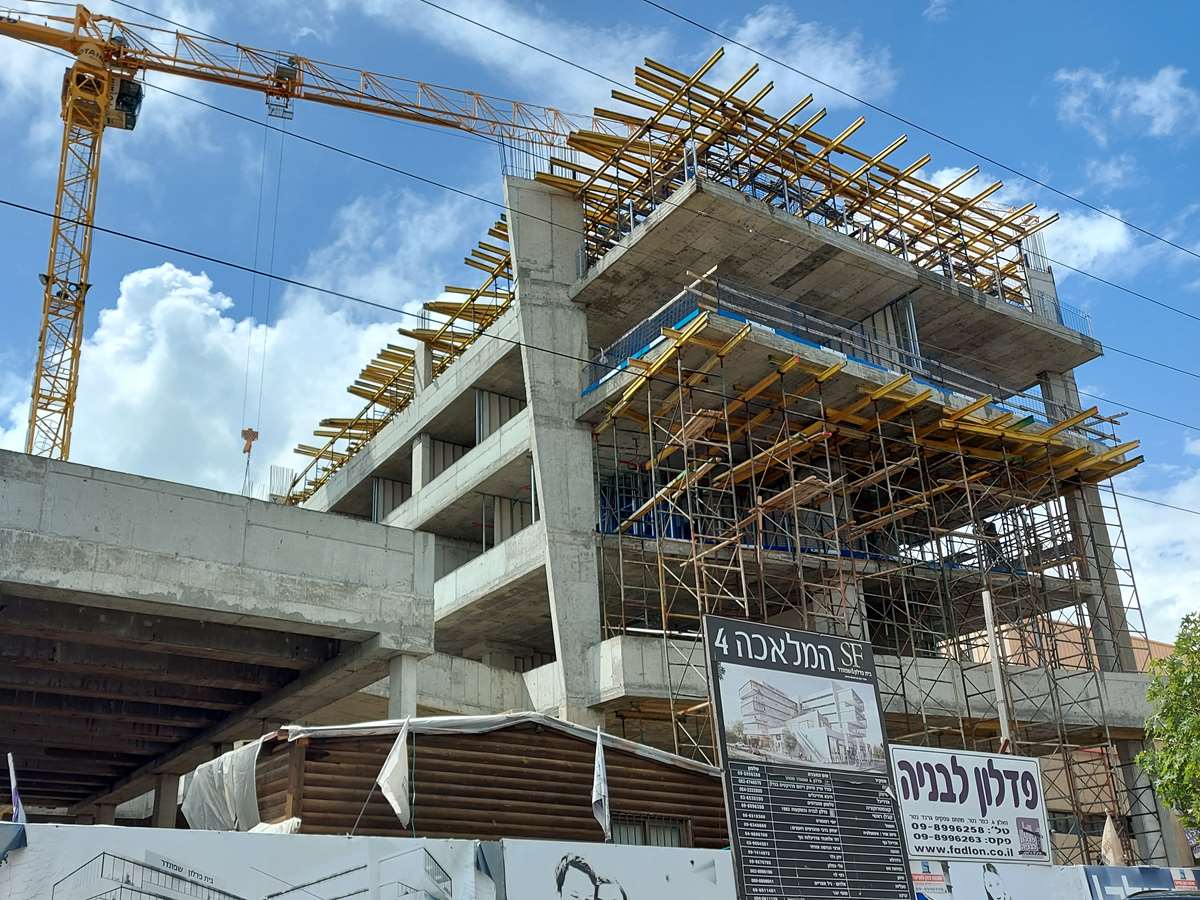 HaMelacha 4 building, Haifa
 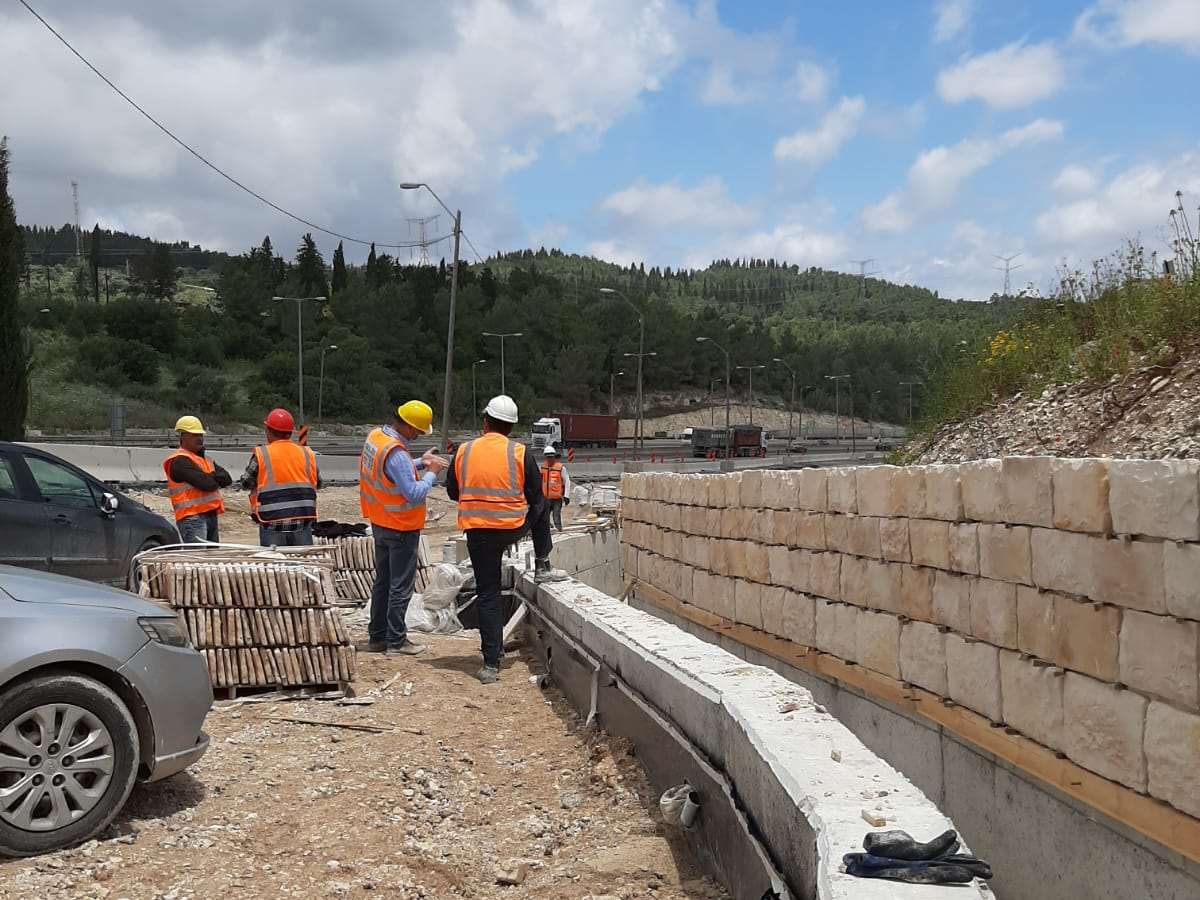 Highway 6, Ein Tut interchange
 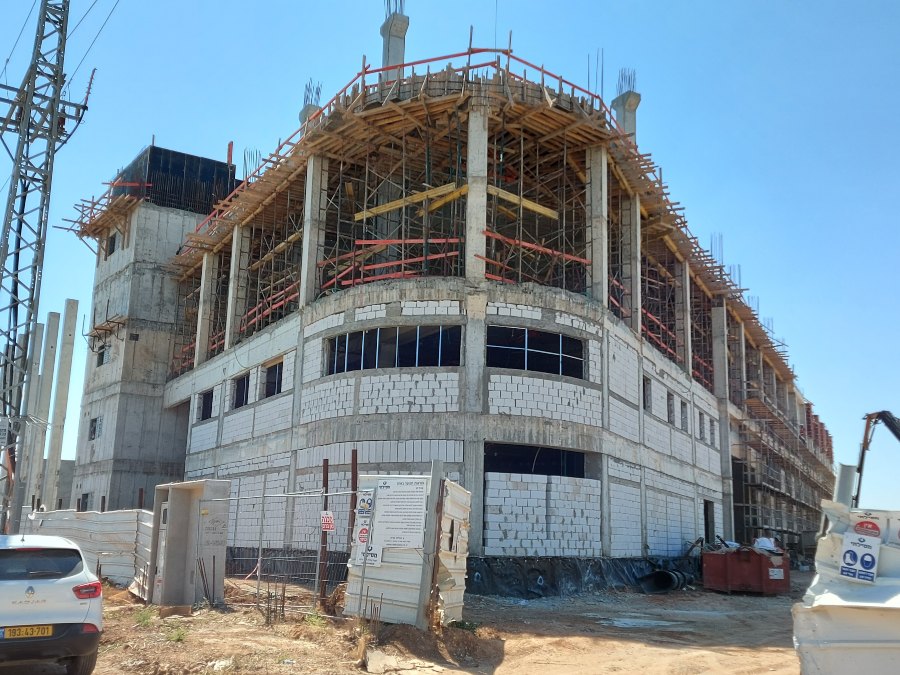 Greek factory, Regavim, Kiryat Gat
 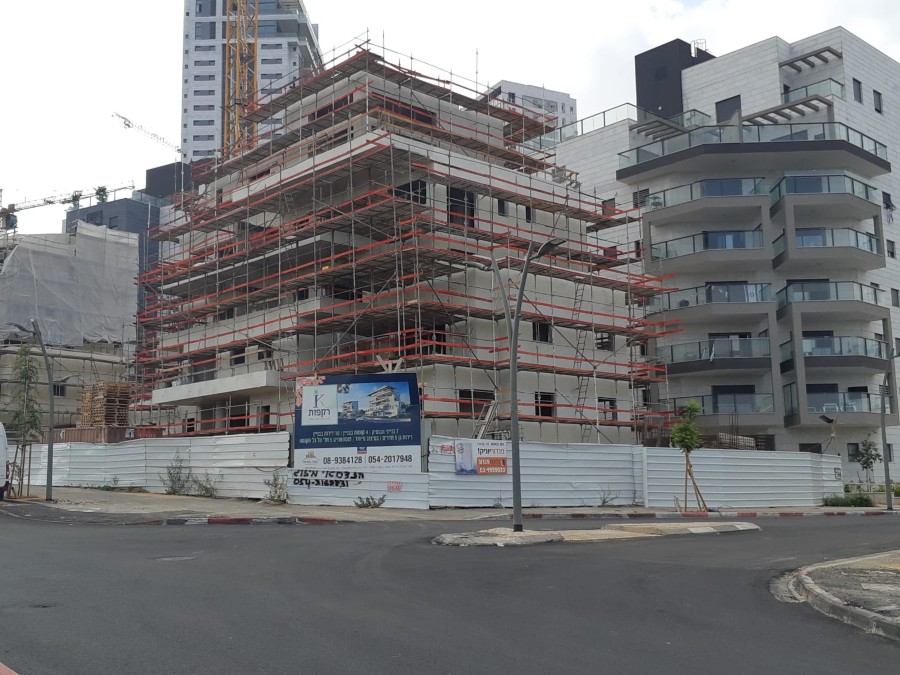 Rakafot plot 206, Rishon LeZion
 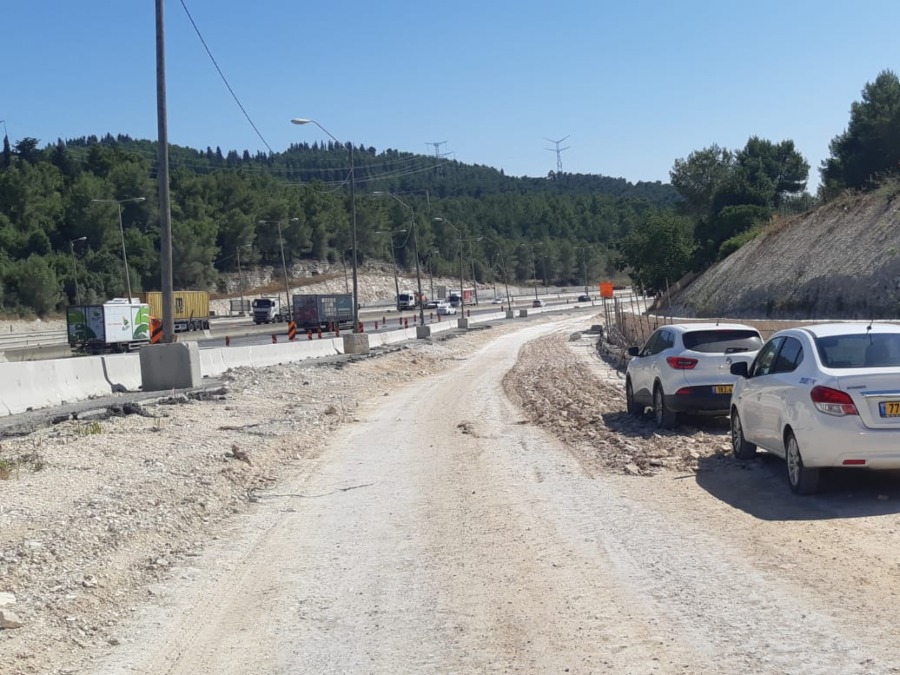 Highway 6, Elyakim interchange
 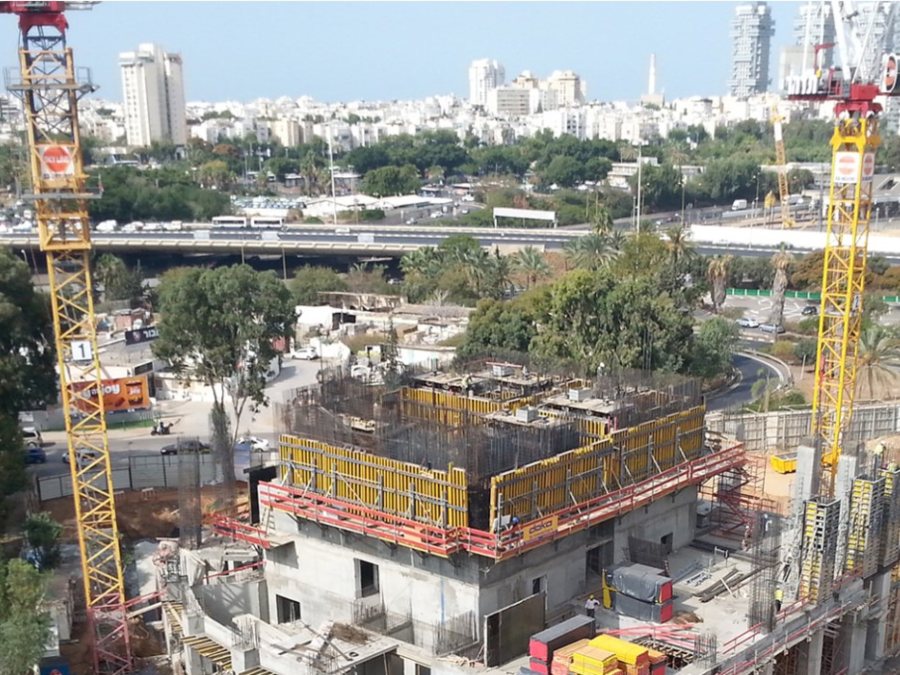 HaShahar tower, Givatayim
 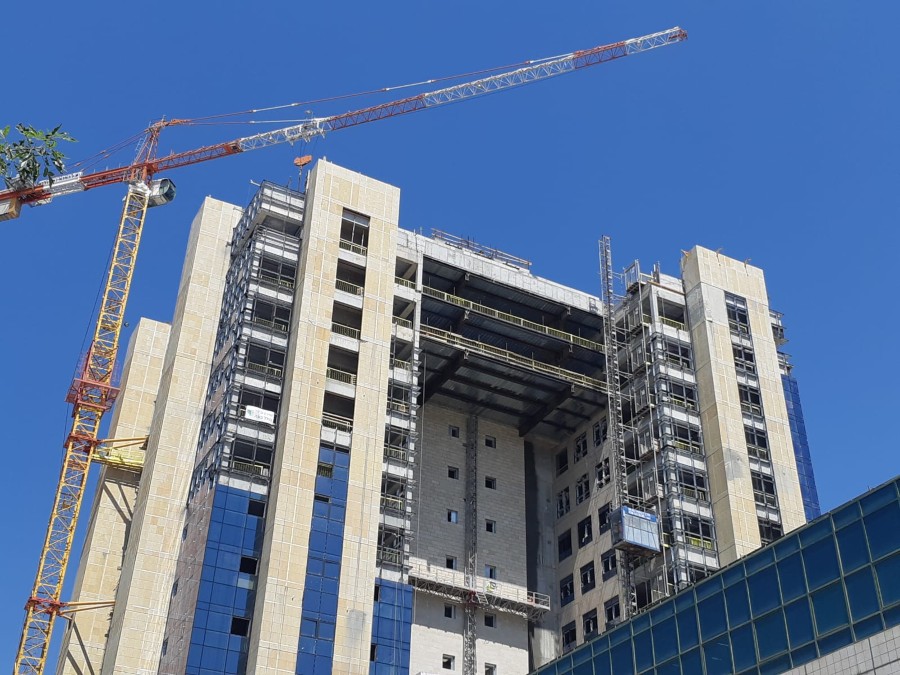 Red Binat tower, Jerusalem
 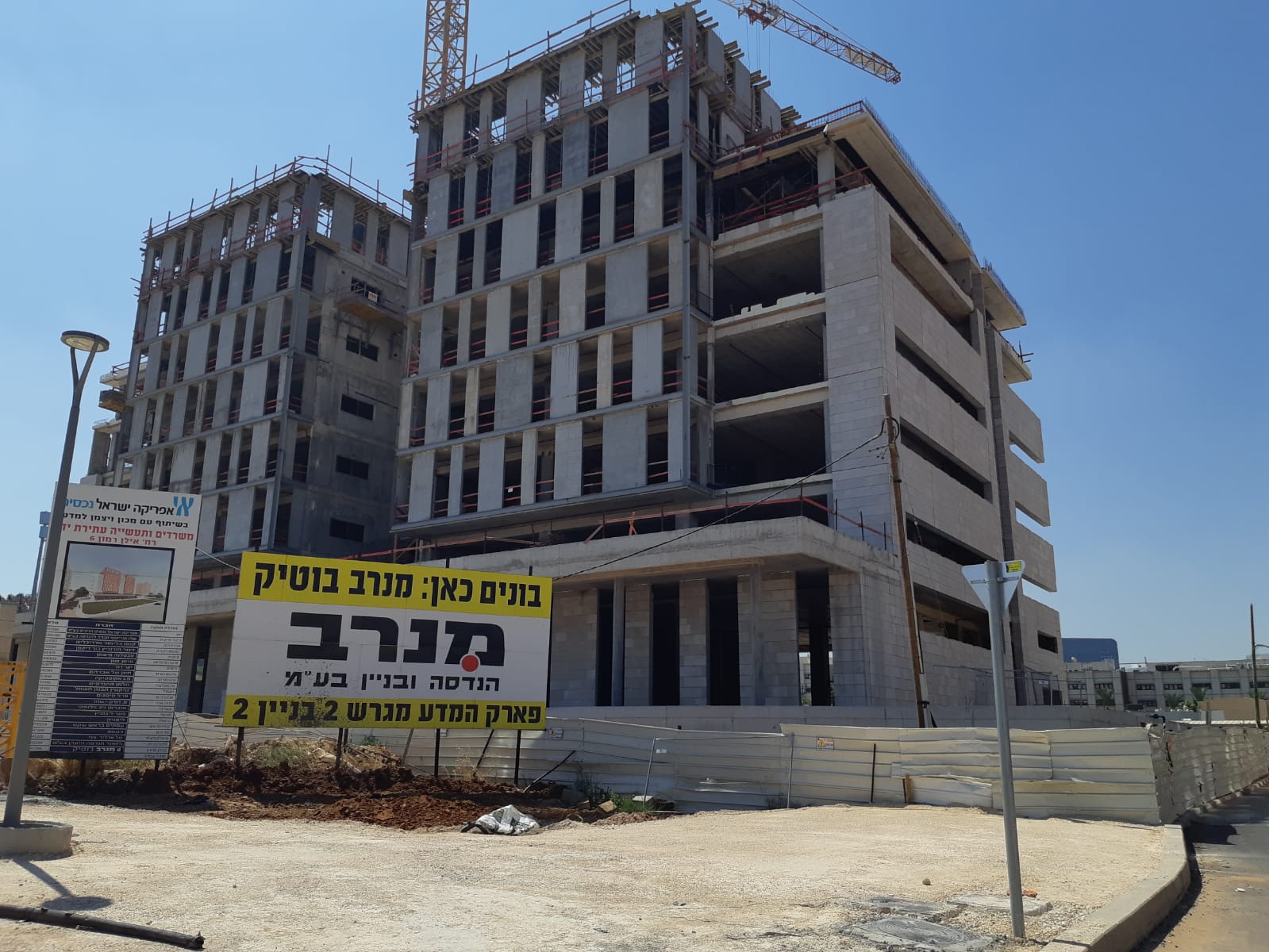 Science Park, Ness Ziona
 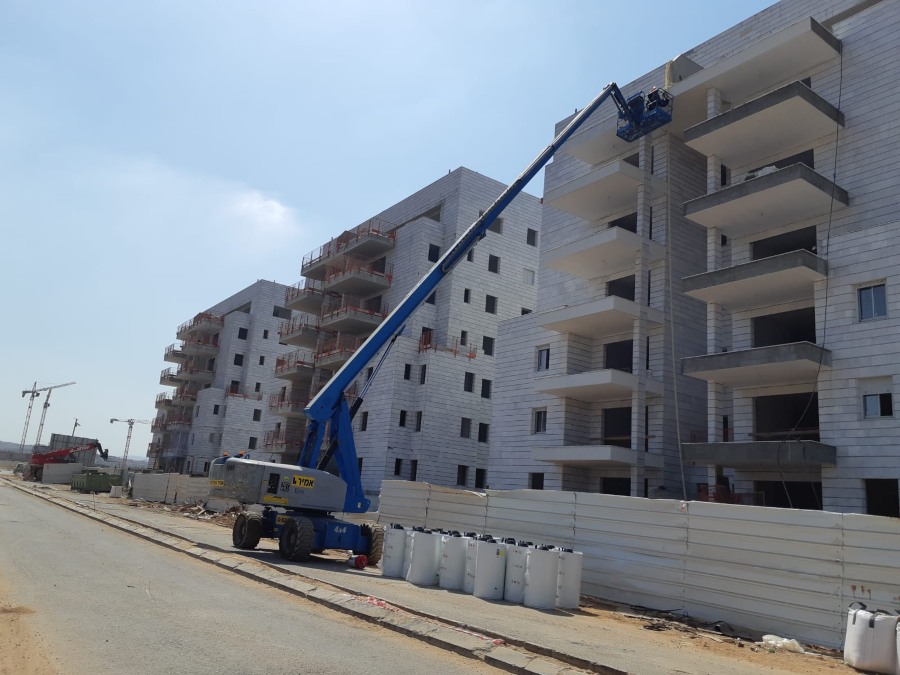 Savyone residence, Shoham
 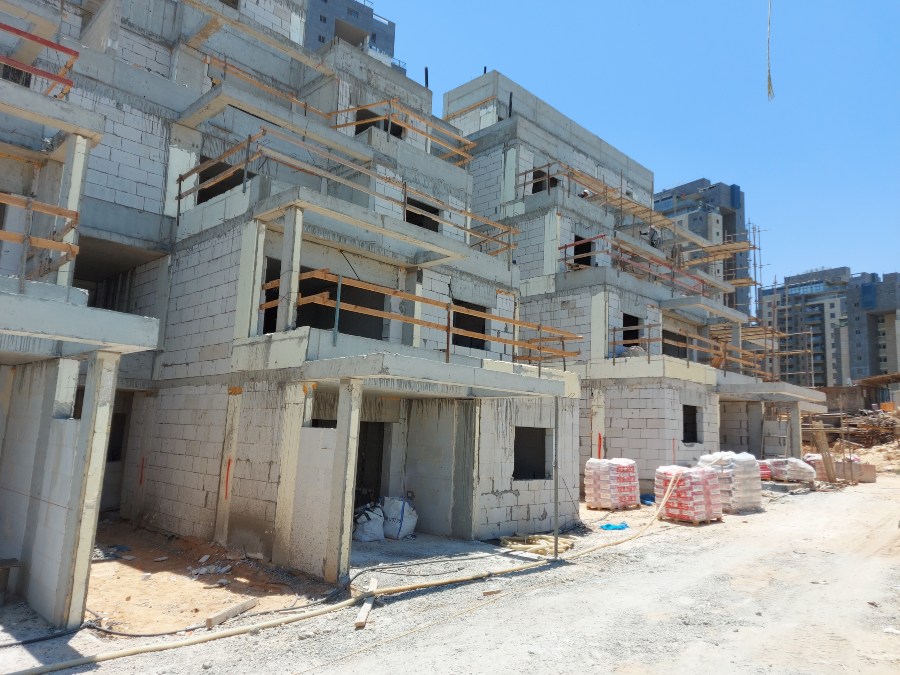 Ben Gurion 11, Rehovot, plot 4
 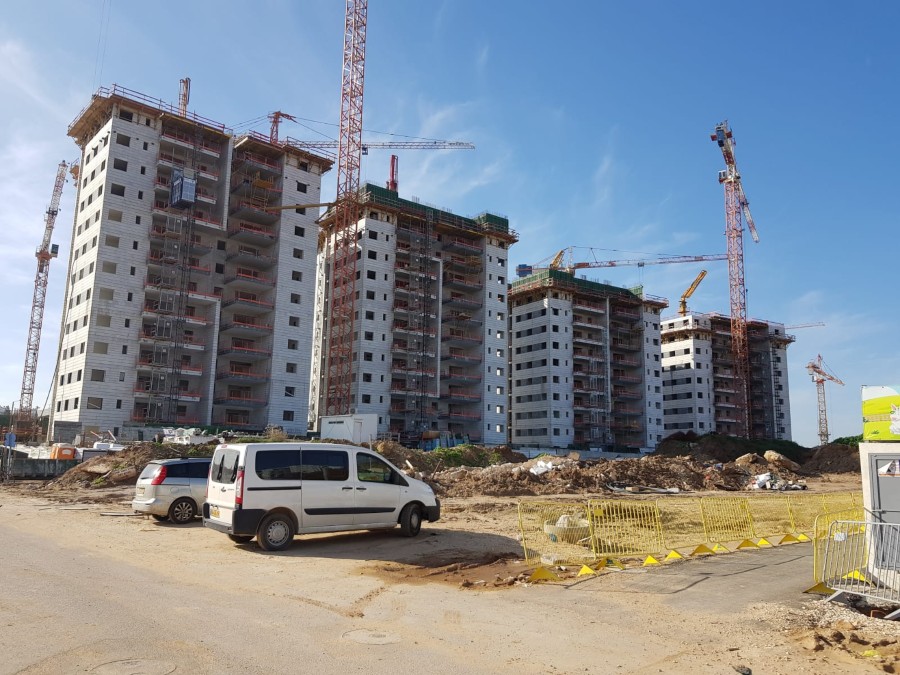 Neve Doron new neighborhood
  Sigalit neighborhood, Be’er Sheva
 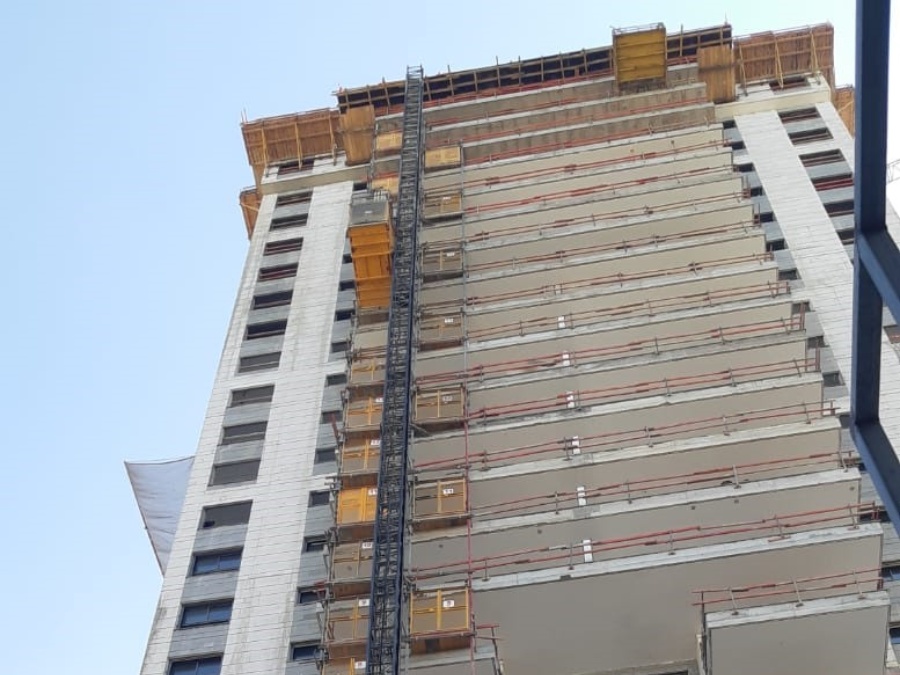 Sivan Bitzua tower, Netanya
 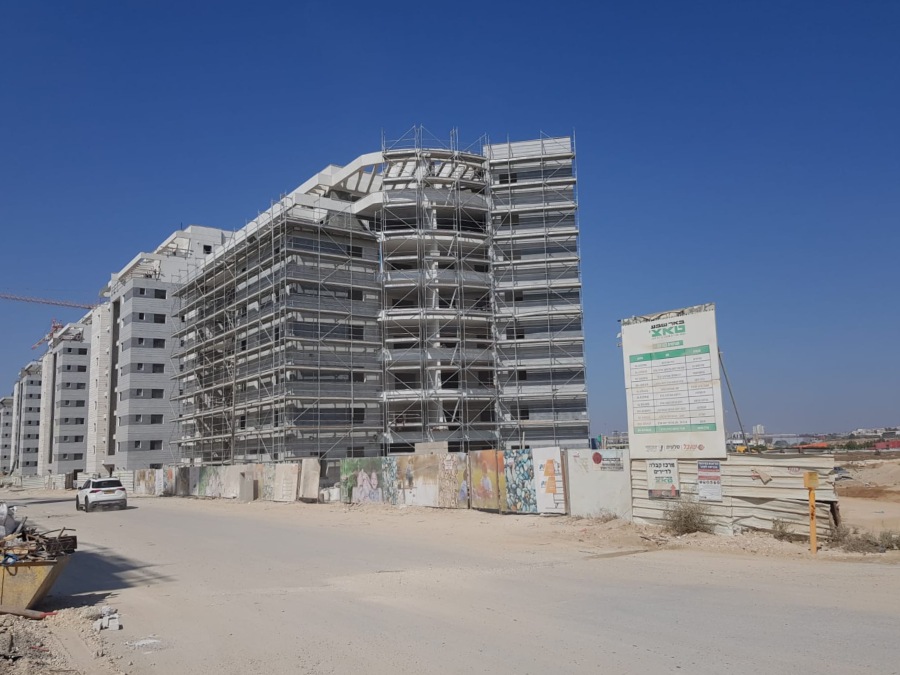 Touch buildings, Be’er Sheva
 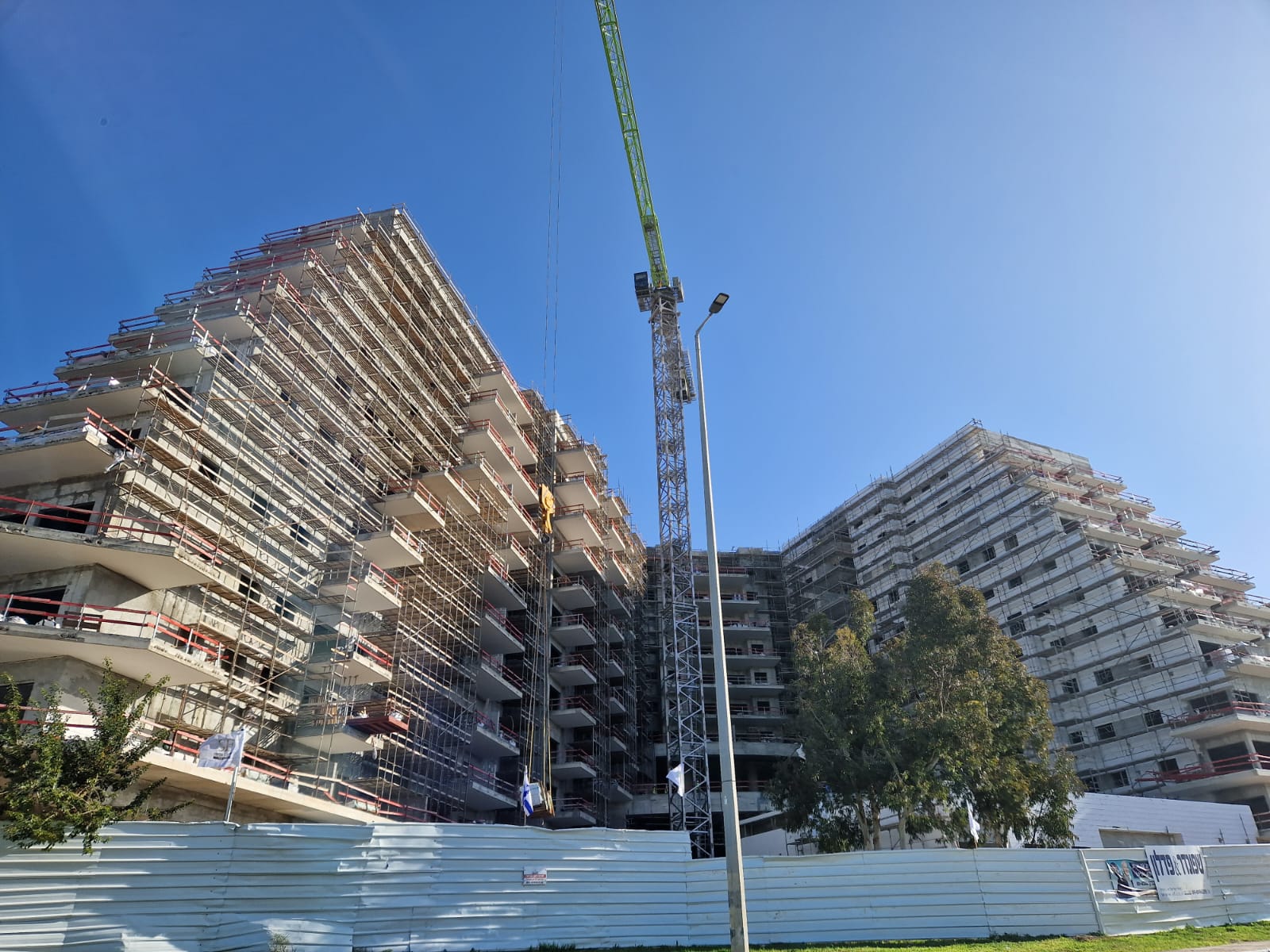 Fadlon project, Elkana
 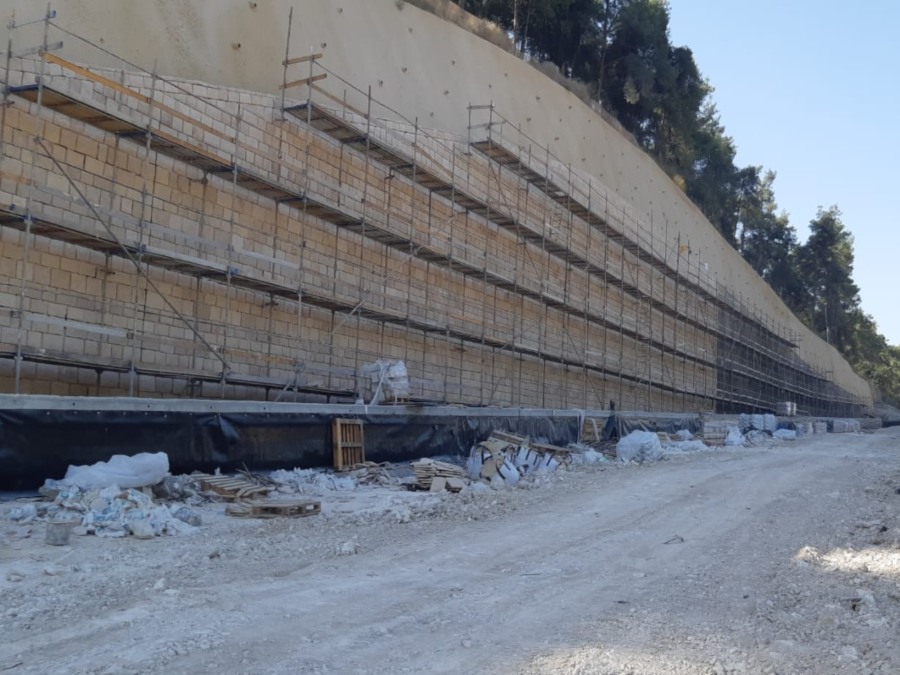 Highway 6 North
 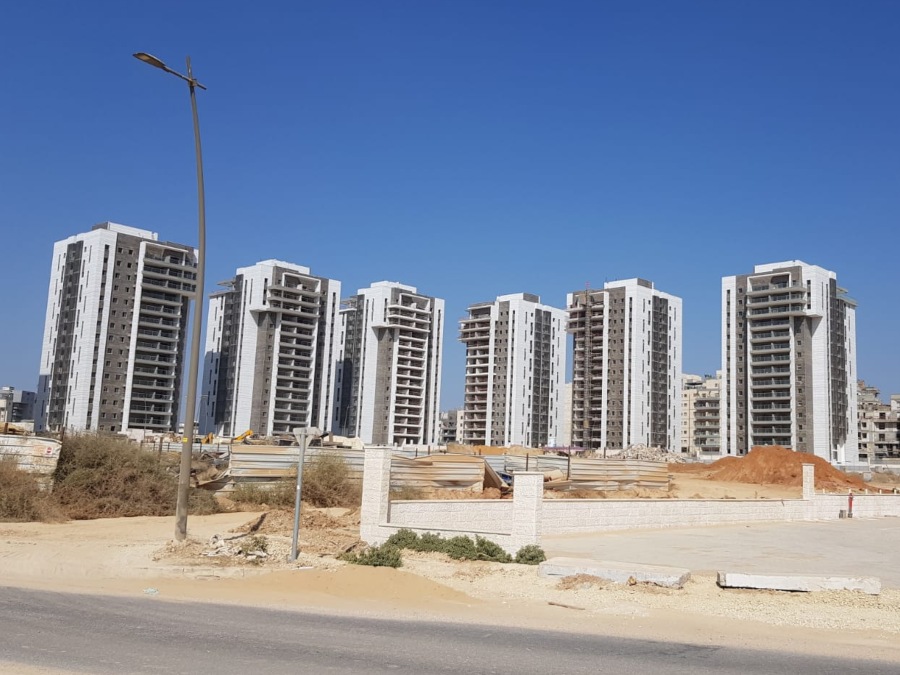 Manhattan buildings, Netivot
Instructional & field-test videos
Instructional video
Pull-out tests in aerated concrete / Ytong (AAC)
Pull-out tests in solid / cast concrete
Pull-out tests in hollow block
Pull-out tests in Thermodan block
Pull-out tests in perforated brick / other bases
What is a universal nylon plug?
A universal nylon plug is a polyamide sleeve inserted into a drilled hole. When a screw is driven into it, the sleeve expands and locks itself against the wall of the hole.
Why “universal”: the same plug works in solid concrete (expansion), in a hollow block (folding behind the wall) and in bricks — without switching product for each base material.
What makes GX-L the leading stone-cladding and block plug in Israel?
In stone-cladding and block-anchoring projects, the plug is one of the most critical components for safety and long-term durability. The GX-L block-and-cladding plug from Adit Ltd. was developed specifically to provide a real answer for every type of wall — concrete, black block, Ytong and reinforced (anchor-grade) Ytong — with field-proven performance and full scientific documentation.
A stone-cladding plug must withstand high shear and pull-out loads for years, under direct exposure to Israel’s harsh climate (heat, humidity, salinity), and perform consistently across different base types. The GX-L plug meets all of these requirements while maintaining unprecedented ease of installation. ADIT Ltd., active in the Israeli market since 2006, has installed the plug in hundreds of projects across the country — from salty coastal areas to the interior.
6 reasons that make GX-L the best block and cladding plug
- PA6 polyamide technology: the body is made of polyamide 6 nylon — a material that combines flexibility with high mechanical strength. Unlike ordinary plastic plugs, polyamide does not degrade when exposed to the alkalinity of concrete and is durable for a 50-year service life.
- Exceptionally high load capacity: in concrete, failure load in pull-out and shear up to 6.2 kN in the M10 size. In black block and anchor-grade Ytong: up to 3 kN pull-out. The data is based on Israeli Standards Institute testing — not theoretical estimates.
- Recognized European ETA approval: the plug carries approval ETA 12/0261 — an international standard that makes it easy to submit insurance and engineering certifications.
- Fast, easy installation: a simple three-step process (drill, insert, screw in). It can be installed by hand without special tools — a significant time saving on site.
- Full universality: a single plug suitable for concrete, black block, standard Ytong and anchor-grade Ytong. There is no need to change the plan according to the wall material.
- SS316 stainless steel for harsh environments: for wet-method stone cladding and coastal areas — the plug is available with an SS316 (A4) stainless steel screw, protected against corrosion, salts and acidity.
Block and stone-cladding plug — material compatibility
- Cast concrete: maximum load performance (up to 6.2 kN failure). The preferred base for primary stone cladding.
- Hollow black block: the classic block application — standard drilling. Suitable for interior and exterior walls.
- Standard Ytong: drilling with a diameter smaller than the plug + 3 additional turns for proven durability.
- Anchor-grade Ytong: suited to the M10 size (service load up to 1.0 kN). The solution for reinforced Ytong blocks.
- Pumice block: tested and approved. Suitable for light cladding and for reinforcing existing walls.
- Silicate and Thermodan: load performance documented in pull-out tests (consultation with an ADIT engineer is recommended).
Detailed load table for a single anchor (failure loads in kN)
All data is based on Israeli Standards Institute testing — pull-out and shear by base type and plug size. The values shown are failure loads; for engineering design an appropriate safety factor must be applied to obtain service loads.
| Base | Load direction | Size M8 | Size M10 |
|---|---|---|---|
| Concrete | Pull-out | 3.0 | 6.2 |
| Concrete | Shear | 3.0 | 6.2 |
| Hollow black block | Pull-out | 1.2 | 1.8 |
| Hollow black block | Shear | 1.2 | 1.8 |
| Standard Ytong | Pull-out | 1.0 | 1.6 |
| Standard Ytong | Shear | 1.0 | 1.6 |
| Anchor-grade Ytong | Pull-out / shear | — | 3.0 |
Installation guide — stone-cladding plug / block plug
Installation in cast concrete
- Drill the hole: diameter matching the plug (for example 10 mm for an M10 plug) with a minimum drilling depth of 70 mm. A rotary hammer drill is recommended.
- Insert the plug: push the polyamide plug all the way in — this can be done by hand and with a light tap of a hammer.
- Drive the screw: screw the bolt in until fully tightened (the plug expands and grips firmly in the concrete).
Installation in blocks and Ytong
- Drill without vibration/hammer action: in low-density Ytong — drill with a diameter 1 mm smaller than the plug diameter (without using hammer mode) so as not to crush the block and to allow a strong grip.
- Insert the plug: insert with manual pressure. The special outer ribs of the plug grip the block walls immediately.
- Deep threading: after the normal threading is complete, add 3 more turns beyond the initial grip — this significantly increases pull-out resistance in the block.
The plug that passed all the tests for Israeli and European standards
When choosing a stone-cladding plug or a block plug for a public or high-rise project, looking good is not enough — proven data is required: ETA 12/0261 approval (the most stringent European standard), Israeli Standards Institute testing, video-recorded tests for transparent verification, and ISO 3506-1 testing for the stainless steel versions required in wet coastal areas.
Field experience — in hundreds of projects across Israel
GX-L is not a new product — it is a proven solution installed in the largest projects, from Electra Al HaYam in Bat Yam, the Jerusalem railway, HaShahar tower in Givatayim and Science Park in Ness Ziona, to huge residential and infrastructure projects of leading contractors across the country.
Frequently asked questions
Which universal plug should I choose?
What is the difference between a stone-cladding plug and an ordinary plastic plug?
Which plug size to choose for stone cladding — M8 or M10?
Is GX-L effective and suitable as a plug for hollow blocks?
Can a stone-cladding plug be used in a drywall or interior wall?
What is the difference between the standard GX-L and the SS316 stainless steel version?
How deep do you need to drill to install a block plug of this model?
How do you correctly install a block plug in Ytong (aerated concrete)?
Is there an Israeli standard that requires the use of a specific type of stone-cladding plug?
What is the practical difference between service load and failure load?
Is a nylon plug suitable for drywall?
What is the difference between threaded and hammer-in plugs?
Not sure which plug fits? Tell us the base material and the load — our engineers will recommend the right plug and diameter.