

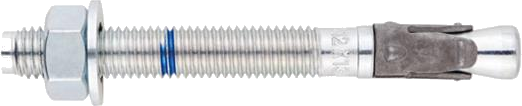
MTP-X Wedge Anchor
Wedge anchor for cracked concrete with European ETA1 approval — for seismic loads, sprinkler systems and dynamic loads.
The Adit wedge anchor family
Choose the right wedge anchor for your substrate, environment and approval requirements.
MTP-GHot-dip galvanized · Outdoor & marine
MTP A4Stainless steel SS316 · Cracked concrete
MTHUncracked concrete · ETA7
MTH A4Stainless steel SS316 · Uncracked ORAZinc-plated · Standards Institute lab test
Technical specification
| Property | MTP-X — wedge anchor, European approval |
|---|---|
| Characteristics | Wedge anchor for cracked and uncracked concrete |
| Technology | Wedge anchor (expansion) |
| Corrosion protection | Zinc electroplated (cold galvanized) |
| Cracked concrete | Yes |
| Dynamic loads | Yes |
| Seismic | Yes — C1 and C2 |
| Fire rating | Yes — F120 |
| Sprinklers | Yes — VdS approval |
| Standards | European Technical Assessment ETA1 for cracked concrete, sprinklers and seismic applications |
Downloads
Proven in the field — selected projects in Israel
The MTP-X wedge anchor is installed in hundreds of projects across Israel.
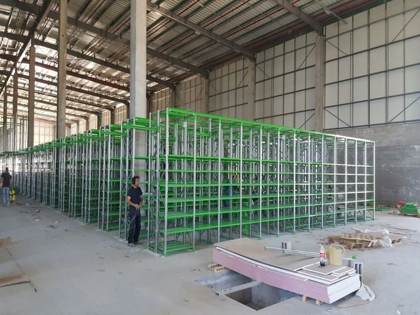 Steimatzky Logistics, Rosh HaAyin
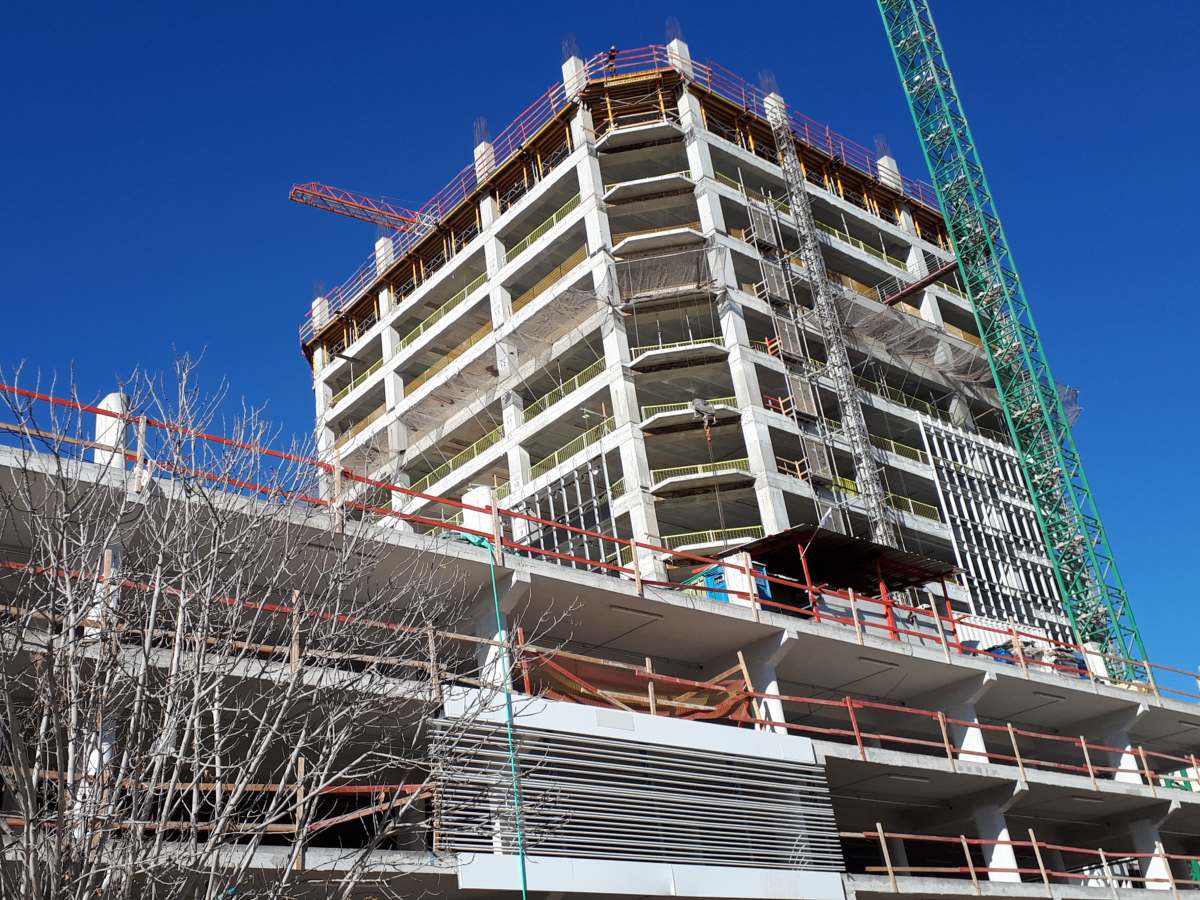 M Tower Beer Sheva
 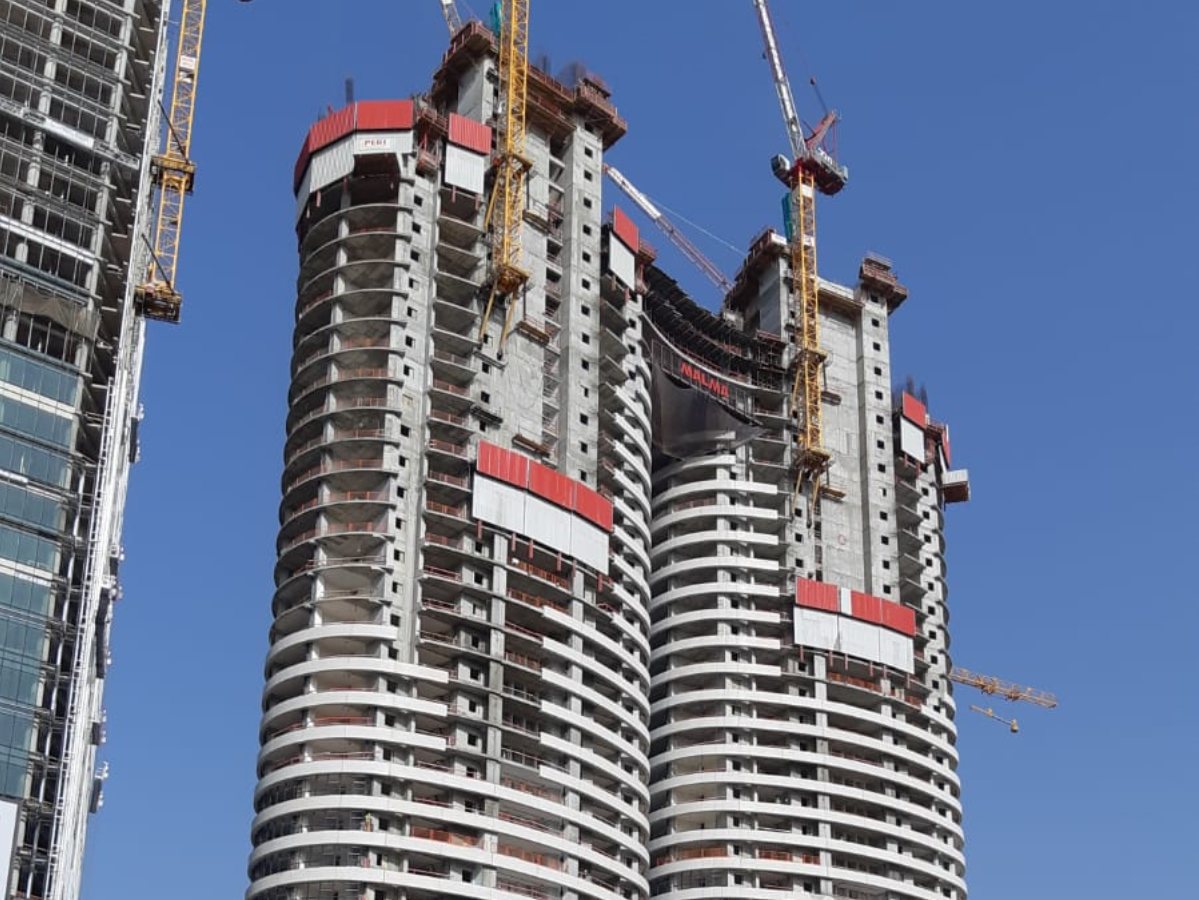 Gindi Towers Tel Aviv
 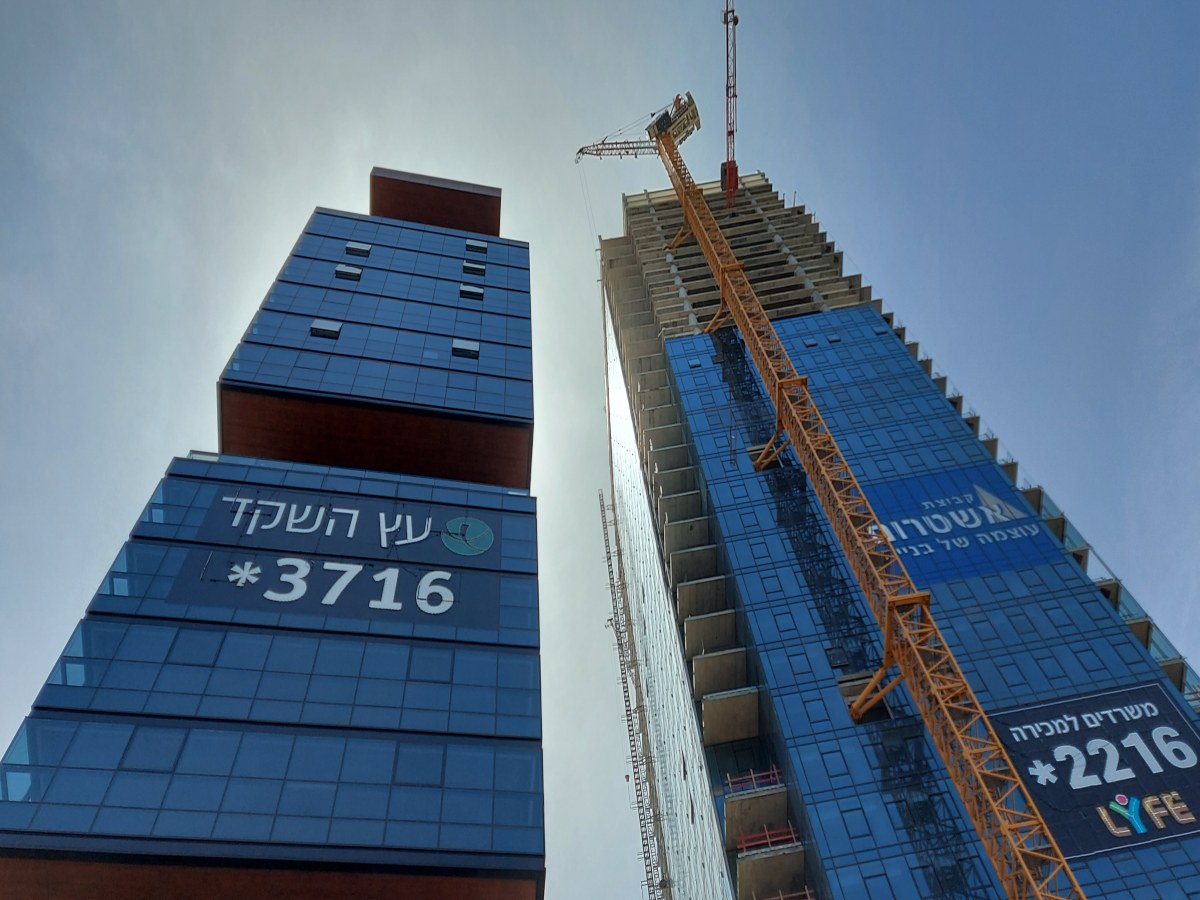 LYFE Towers Bnei Brak
 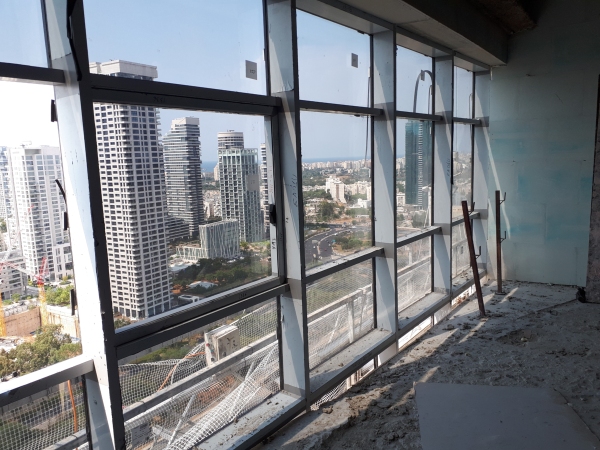 GIBOR Tower Ramat Gan
 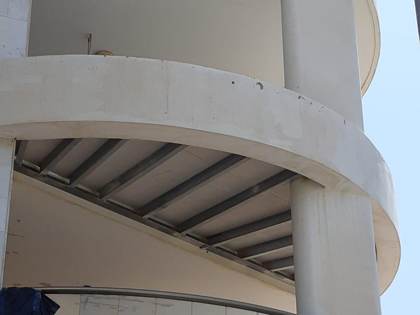 Balcony Addition, Modi’in
 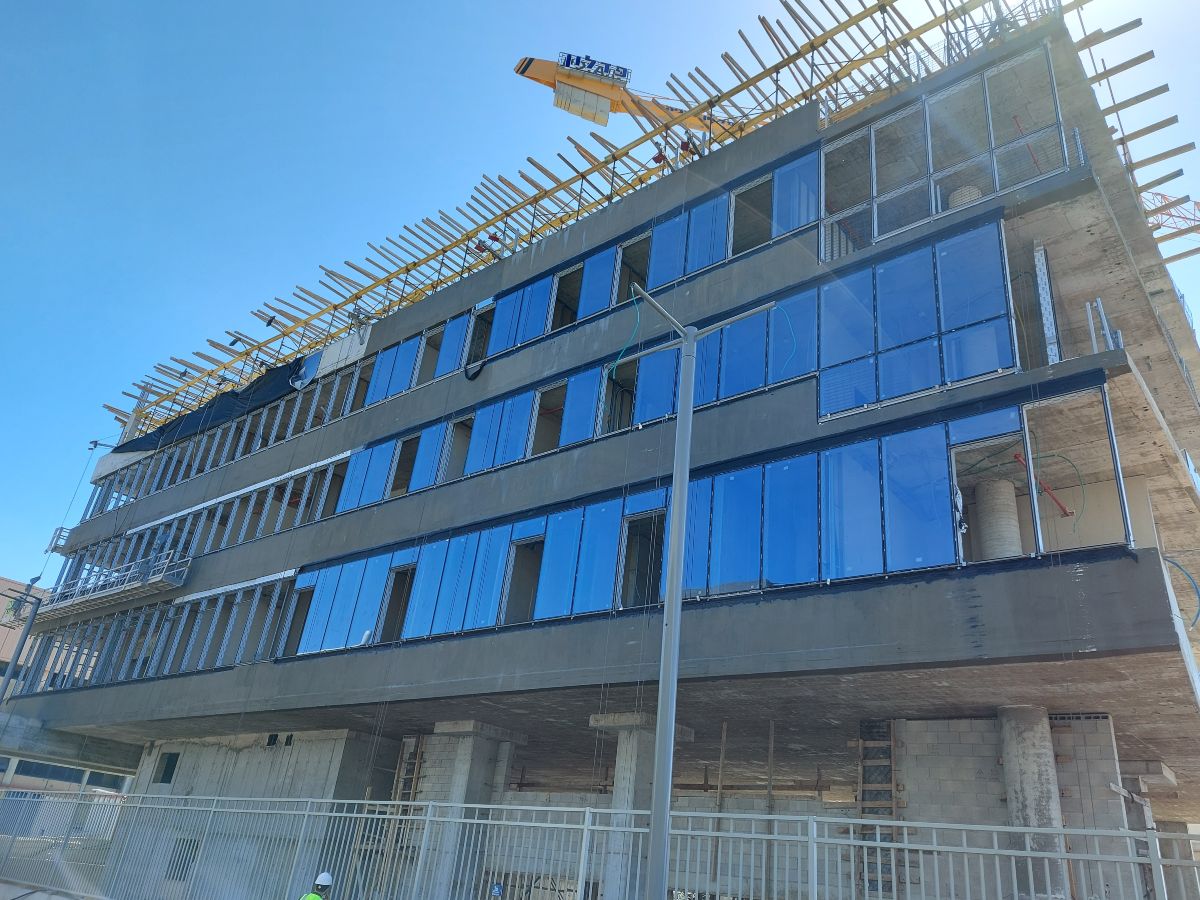 HaMelacha Retail & Offices, Netanya
 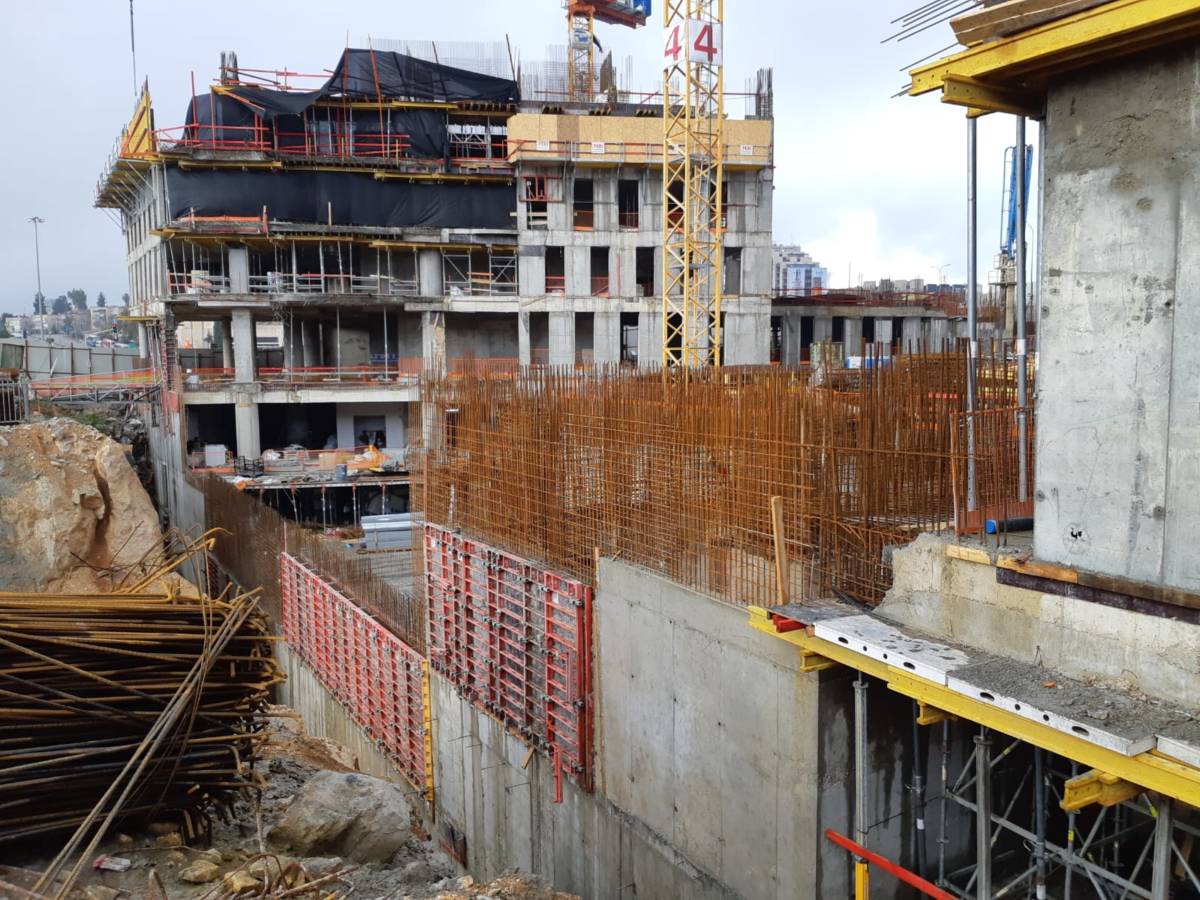 Ministry of Justice, Jerusalem
 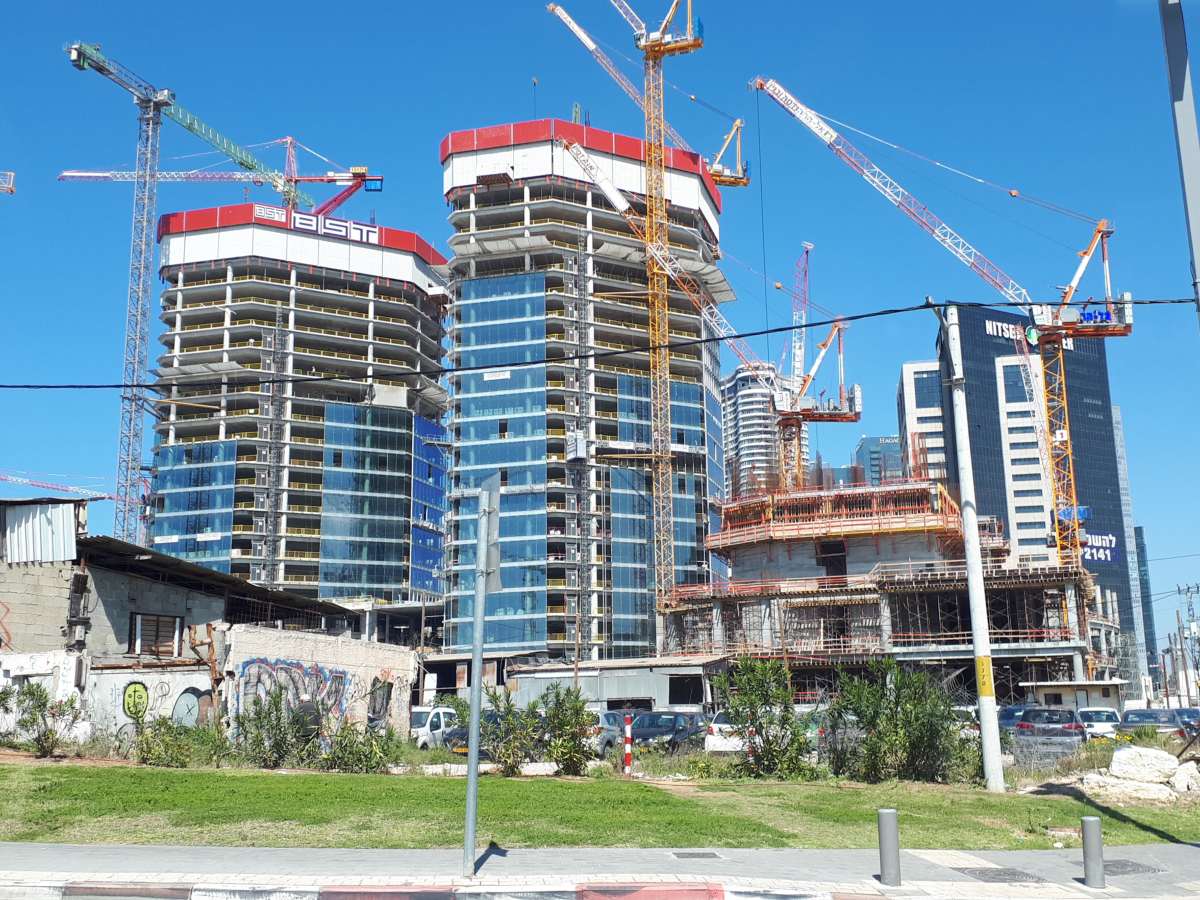 Rubinstein Towers Tel Aviv
 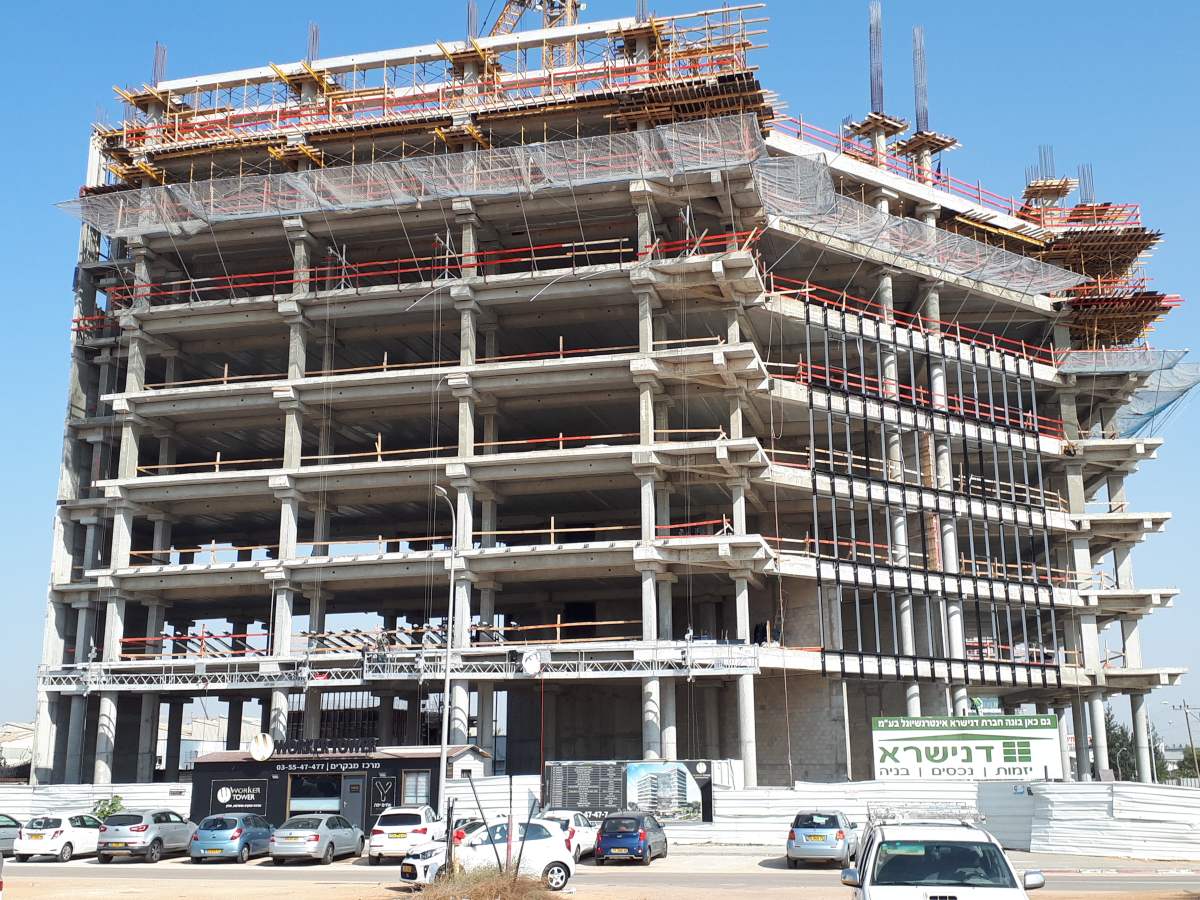 Worker Towers Holon
  A-Tower Ra’anana
 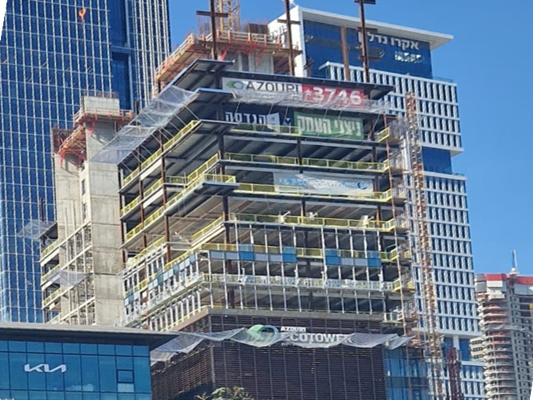 ECO Tower Tel Aviv
 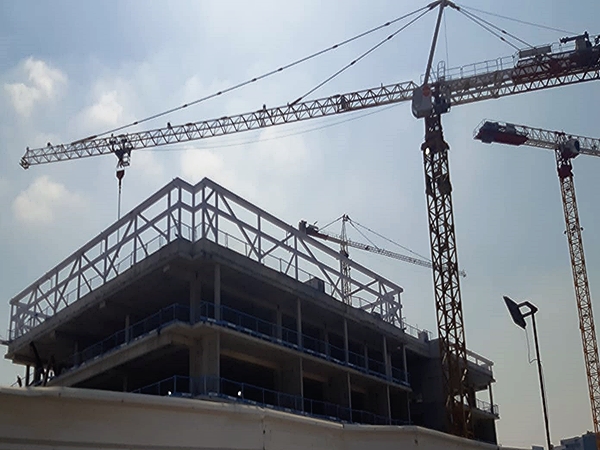 AMDOCS Building Ra’anana
 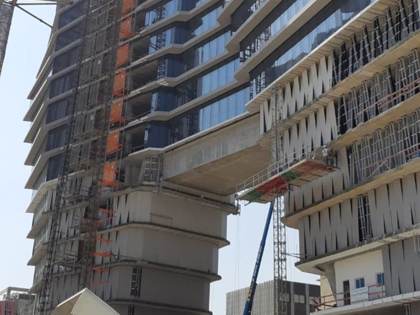 Totzeret HaAretz Tel Aviv
 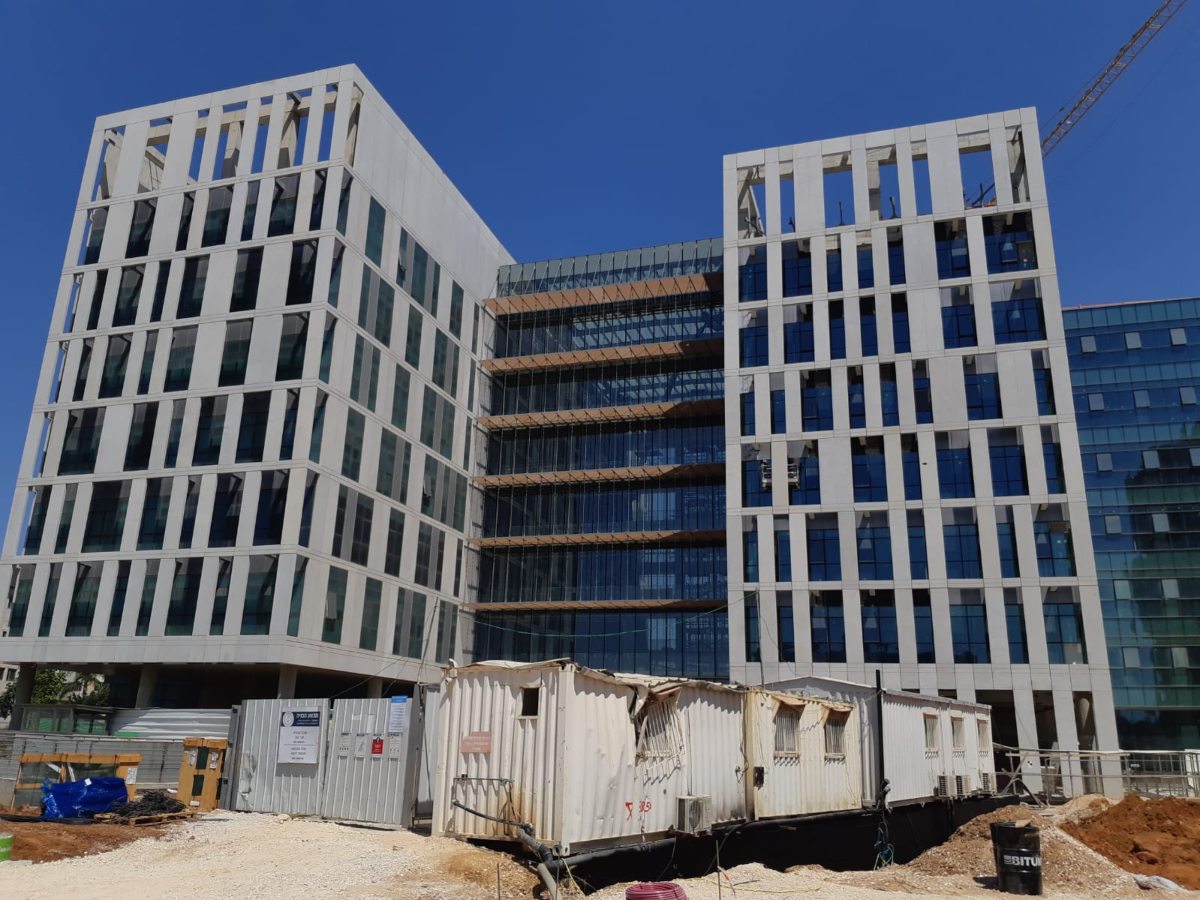 Science Park Rehovot (STRATASYS)
Instructional & field-test videos
Wedge anchor (conical anchor): the complete guide
Everything you need to know about the wedge anchor — the leading European mechanical anchoring solution — from the working principle, through installation, all the way to the largest projects. This guide was written by the experts at Adit Ltd., the largest anchoring and fastening company in Israel.
What is a wedge anchor (conical anchor)?
The wedge anchor (also known professionally as a conical anchor) is a steel mechanical anchor that meets a stringent European standard, manufactured through a rigorous, controlled production process. With decades of experience and installations worldwide, the wedge anchor proves its durability time and again under especially demanding field conditions.
How does it work?
The wedge anchor fastens steel structures, installations and heavy equipment to concrete through an advanced mechanical expansion mechanism. After the hole is drilled and the anchor is inserted, tightening the nut opens the lower expansion clip (the “skirt”), which is set and driven toward the cone. This action creates a strong, rigid and secure anchorage capable of carrying very high tensile and shear loads. Thanks to quick and simple installation, high reliability and enormous load-bearing capacity, wedge anchors are among the most common anchoring solutions in construction and industry.
Key advantages of the ADIT MTP-X wedge anchor
- Approved for cracked concrete: the ADIT MTP-X is specifically designed and approved as a wedge anchor for cracked concrete and for seismic conditions.
- Fast and simple installation: significant savings in on-site labor time.
- High load capacity: excellent tensile and shear performance for heavy-duty projects.
- Immediate loading: unlike a chemical anchor, there is no need to wait for curing — load can be applied immediately after tightening the nut.
- Economical and reliable: excellent cost-effectiveness that enables significant savings in the project budget.
- Wide range: available in a variety of diameters and lengths for a precise fit to every professional application.
What is cracked concrete and why does it matter?
Cracked concrete is a common engineering condition in which there is a high probability of a microscopic crack (up to 0.3 mm) forming in the tension zone of the concrete, precisely where the anchor is installed. This crack may develop as a result of tensile loads, structural settlement, temperature changes, earthquakes, or the force exerted by the anchor.
Whenever the engineering design defines the connection area as a “tension zone” or as “cracked concrete”, it is mandatory to use a wedge anchor for cracked concrete. An ordinary anchor may loosen and lose its holding power when a crack widens nearby. By contrast, a wedge anchor for cracked concrete such as the MTP-X is equipped with a special, flexible expansion mechanism that “rides” on the cone and adapts to the opening of the crack, ensuring the anchorage remains stable and durable over time.
The MTP-X wedge anchor — why choose us?
- European standard and uncompromising quality (ETA): meticulous manufacturing that guarantees compliance with the most stringent standards in the global and Israeli construction industry.
- Safety and installation accuracy: a unique system for easily verifying installation depth via a marking embossed on the anchor head prevents human error in the field.
- Outstanding design flexibility: a very wide range of installation depths that adapts to any structural requirement.
- Exceptional performance at edge distances: the cone structure provides excellent load distribution, enabling safe design close to the concrete edge and in congested locations.
- Environmental durability: a high-quality zinc-electroplated (cold galvanized) coating, with more resistant versions available for corrosion-prone locations.
- Knowledge, experience and engineering support: full backing from the most experienced team in the country, including calculation support and professional advice.
Common applications for the wedge anchor
- Curtain walls and structural cladding.
- Safety railings and balconies.
- Heavy steel structures fastened to concrete buildings.
- Vibrating machinery and heavy industrial equipment.
- Pipe runs, ventilation ducts and service systems in ceilings.
- Storage and logistics facilities and heavy-duty racking systems.
- Steel columns, pergolas, electrical cabinets and communications equipment.
Frequently asked questions
What is the difference between MTP and MTH?
Which finish should you choose?
What is a wedge anchor?
What is the difference between a wedge anchor and a conical anchor?
When should you use a wedge anchor instead of a chemical anchor?
Is it mandatory to clean the drilled hole before inserting a wedge anchor?
How do I know whether I need a wedge anchor for cracked concrete or a regular one?
How do you correctly install a wedge anchor in concrete?
Is it permitted to install a wedge anchor in a block wall?
Is the MTP-X wedge anchor earthquake-resistant?
Not sure which wedge anchor is right for you? Tell us the concrete type, the load and the environment — our engineers will recommend the correct model, diameter and finish.