

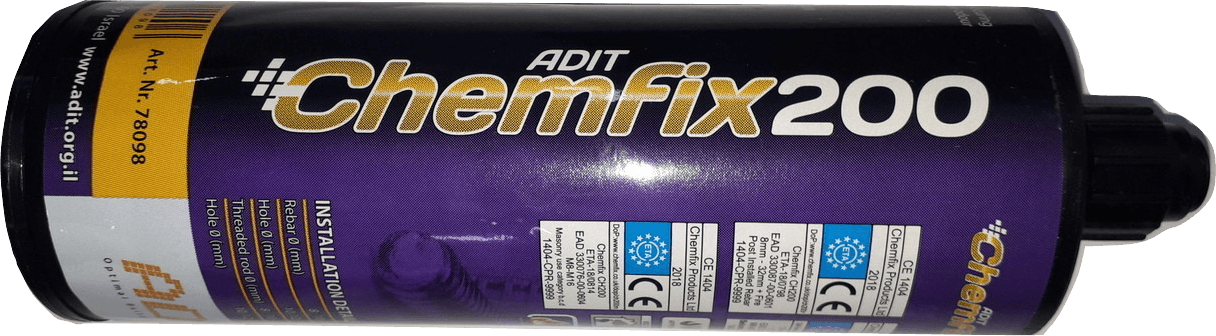
Chemfix200 Chemical Anchor
Injectable hybrid vinylester adhesive for rebar, dowels and threaded rods — European ETA (concrete, rebar, masonry), American ESR, seismic C1-C2 and WRAS potable-water approval.
The Adit chemical anchor family
Choose the right adhesive for your load, substrate and approval requirements.
Technical specification
| Property | Chemfix200 — advanced hybrid vinylester with C2 seismic approval |
|---|---|
| Adhesive type | Advanced hybrid vinylester |
| Technology | Chemical anchoring for rebar, dowels, threaded rods and masonry |
| Cracked concrete | Yes |
| Dynamic loads | Yes |
| Underwater use | Yes |
| Diamond drilling | Yes |
| Fire approval | Yes |
| Seismic approval | C1 / C2 (highest) · A to F (per the American approval) |
| Green certification | Yes — LEED |
| Potable water | Yes — WRAS approval |
| Standards | ETA for concrete · ETA for rebar · ETA for masonry · American ESR |
Downloads
- Chemfix200 — Technical Data Sheet
- European ETA — Concrete
- European ETA — Rebar
- European ETA — Masonry
- American ESR approval
- Laboratory pull-out test — 12 mm rebar
- Laboratory pull-out test — 12 & 16 mm rebar
- Laboratory pull-out test — 16 mm rebar
- LEED green certificate
- WRAS approval — potable water
- Chemical resistance
- Fire approval EBB
- CE certificate — Concrete
- CE certificate — Rebar
- MSDS
Proven in the field — selected projects in Israel
Chemfix200 chemical anchor is installed in hundreds of projects across Israel.
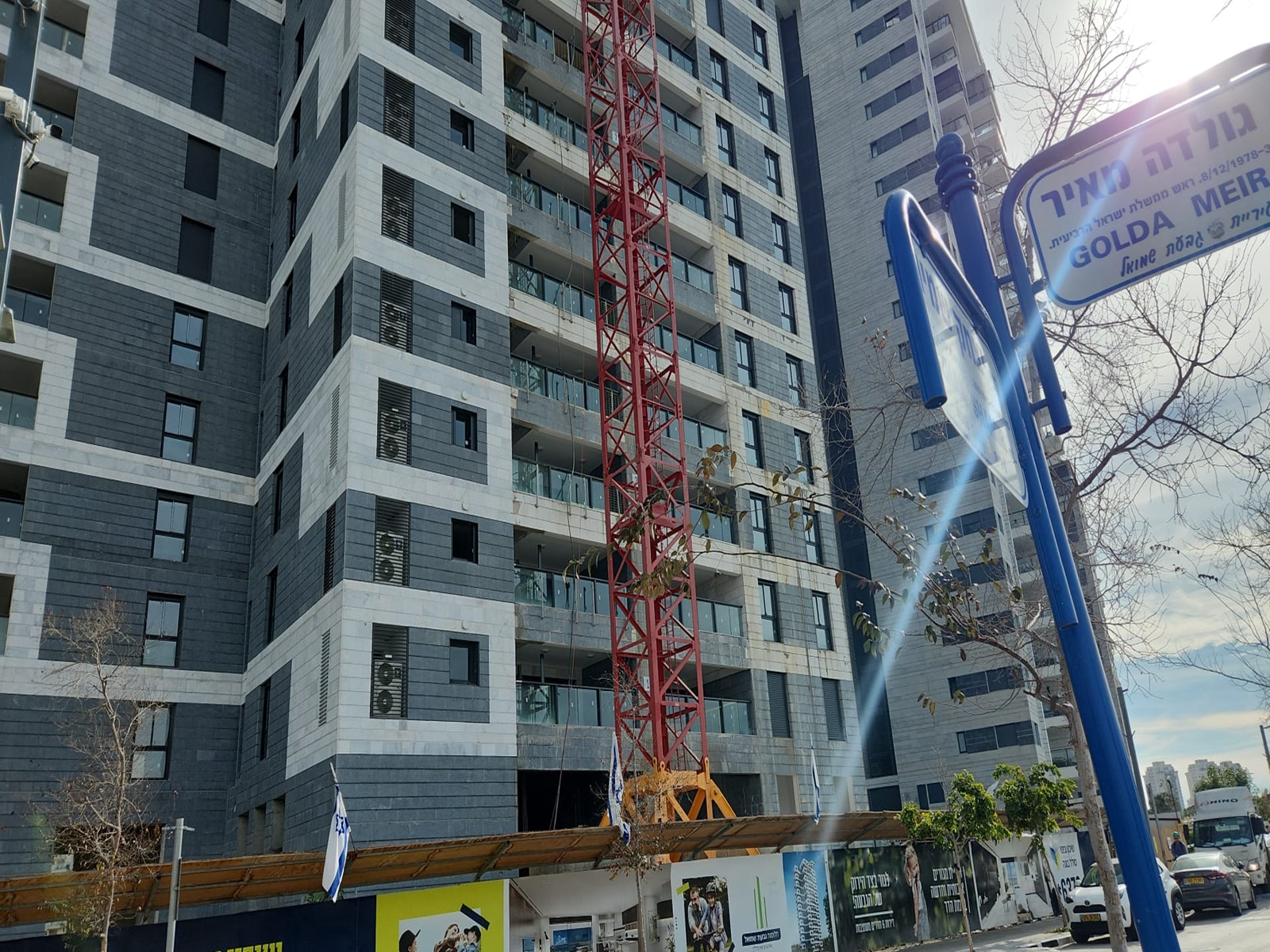 Shikun & Binui Givat Shmuel
 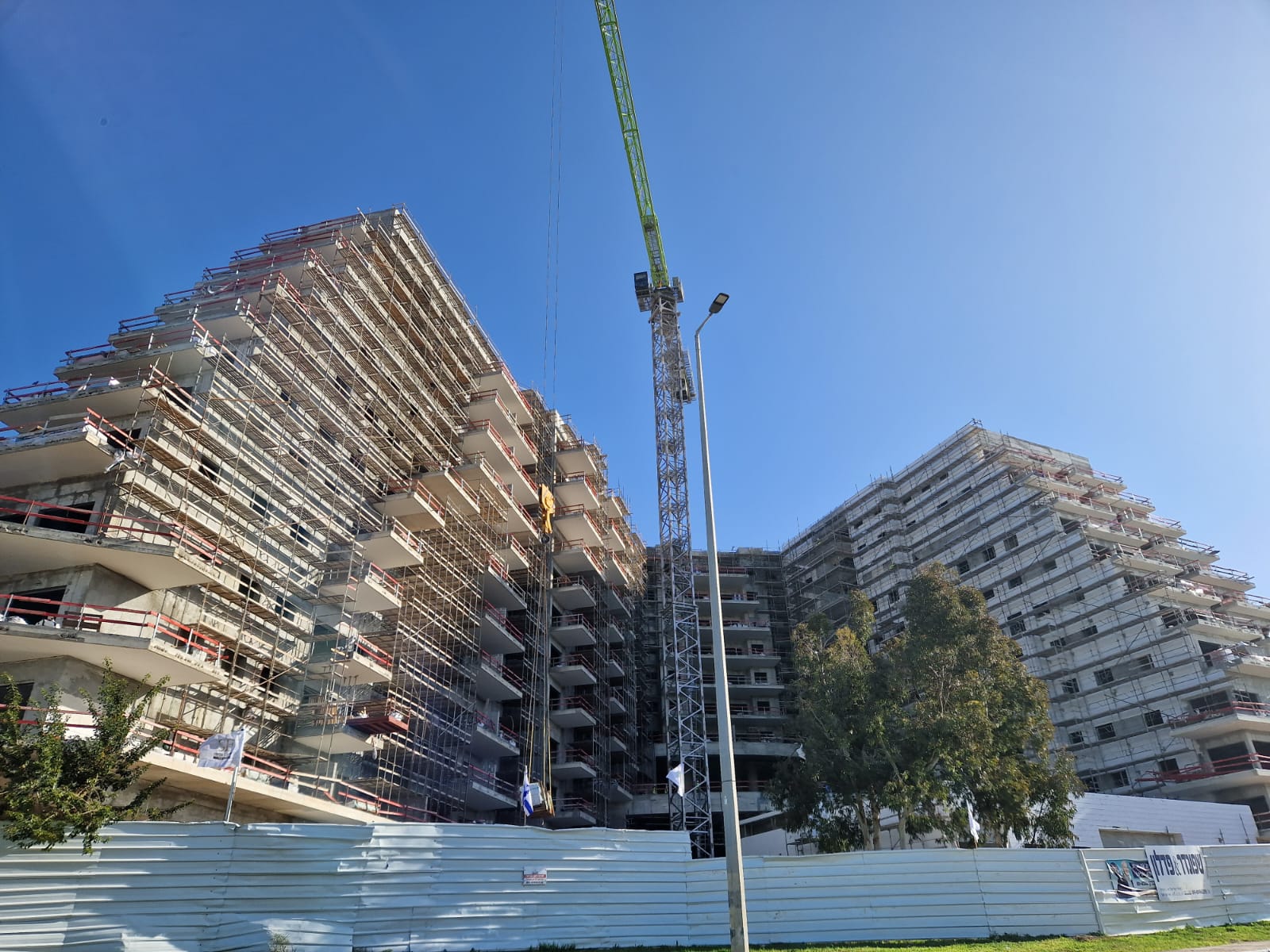 Fadlon Building Elkana
 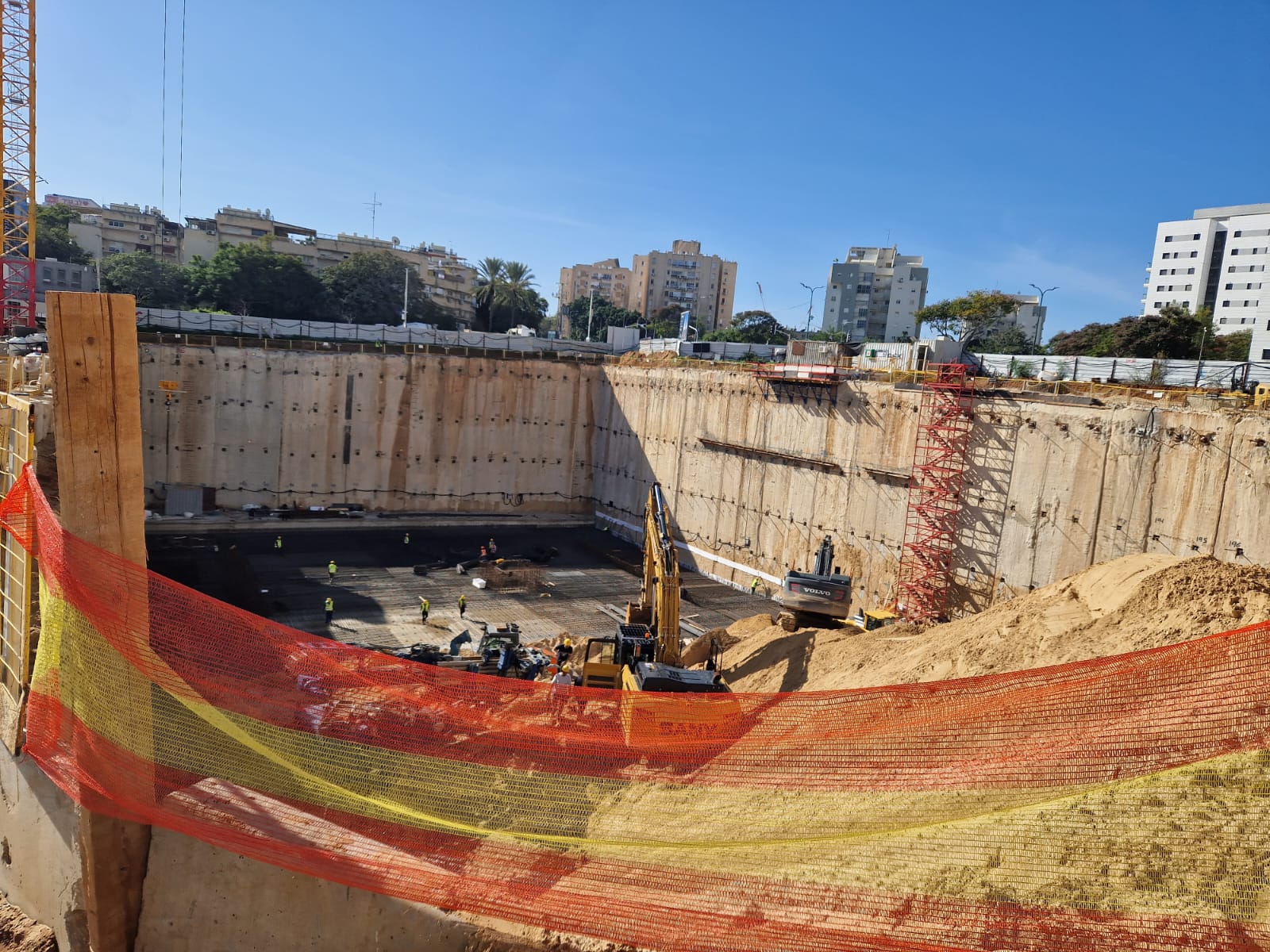 Tidhar Tower Netanya
  ACR Tower Netanya
 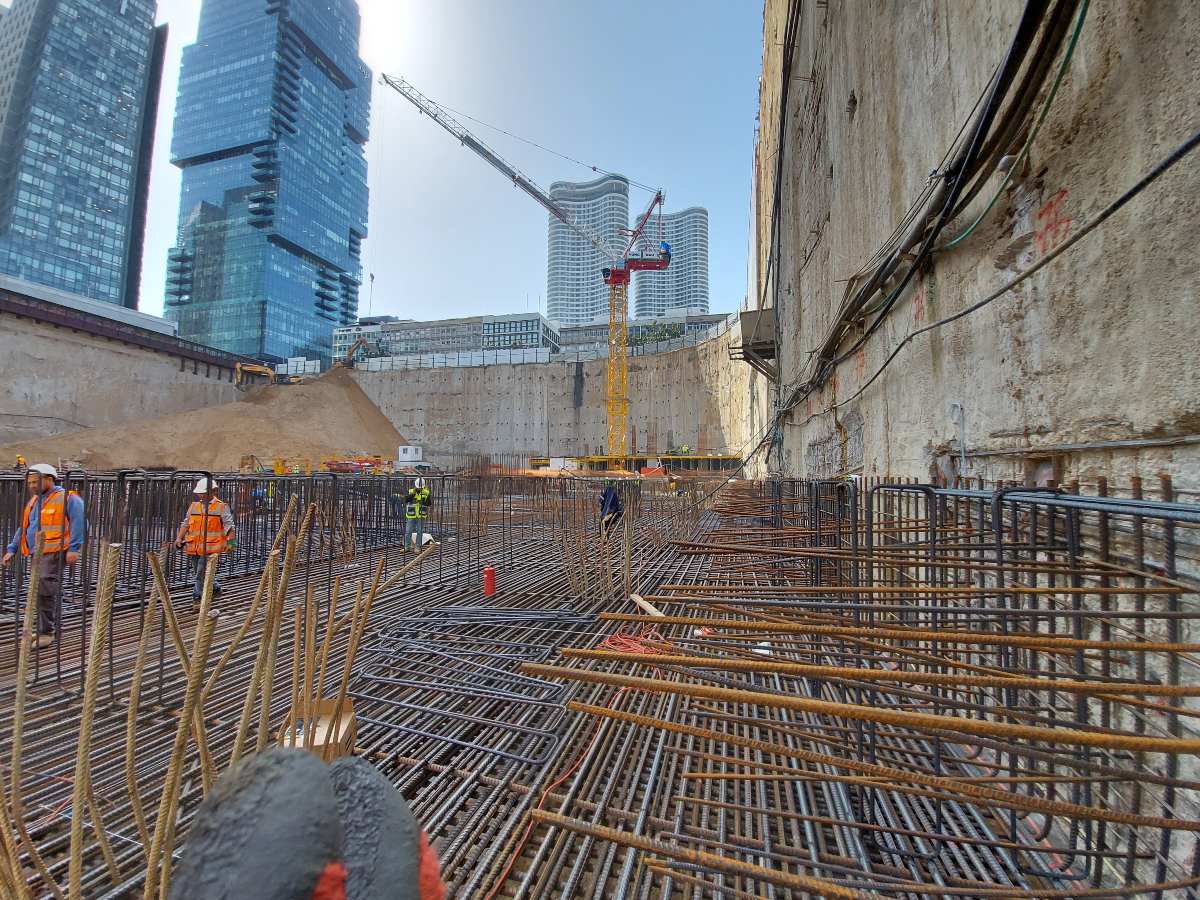 Landmark Da Vinci
  LYFE
LYFE  Alfa Tower
 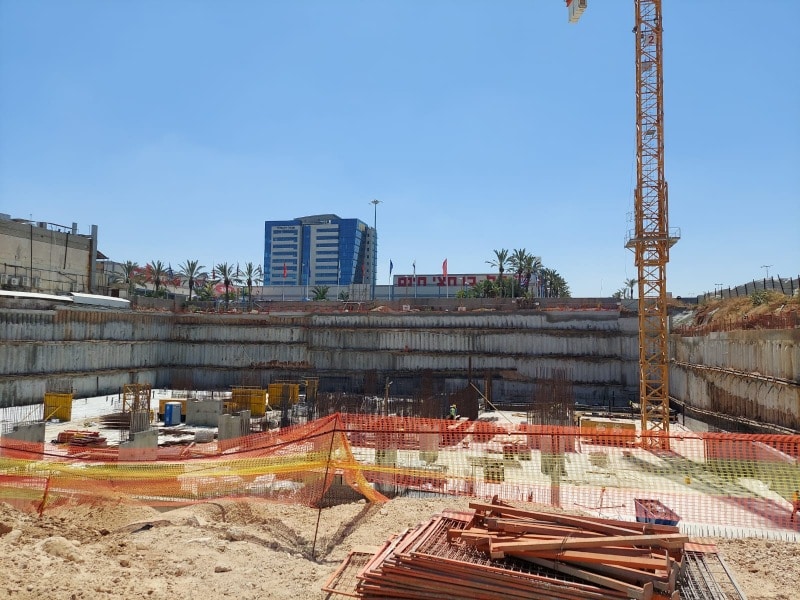 Bsar Rishonim
  City of Wine
 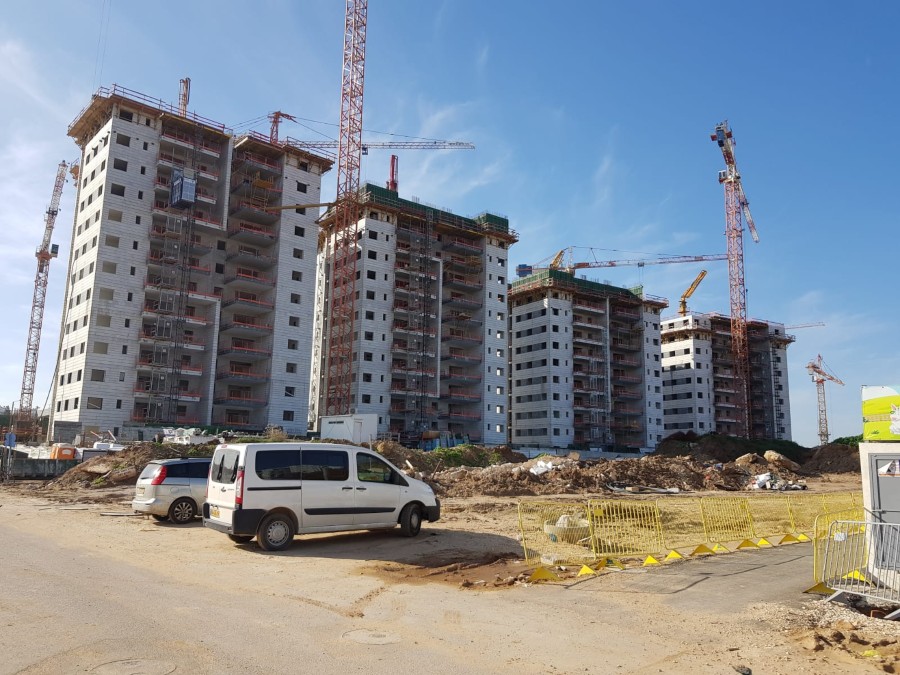 New Neve Doron
  Manhattan Netivot
 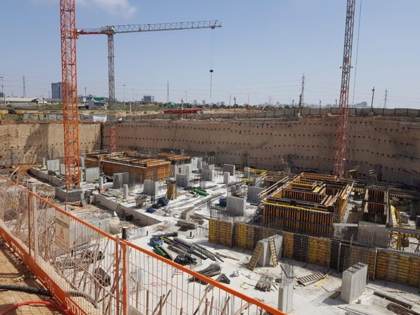 Complex 1000 Rishon LeZion
 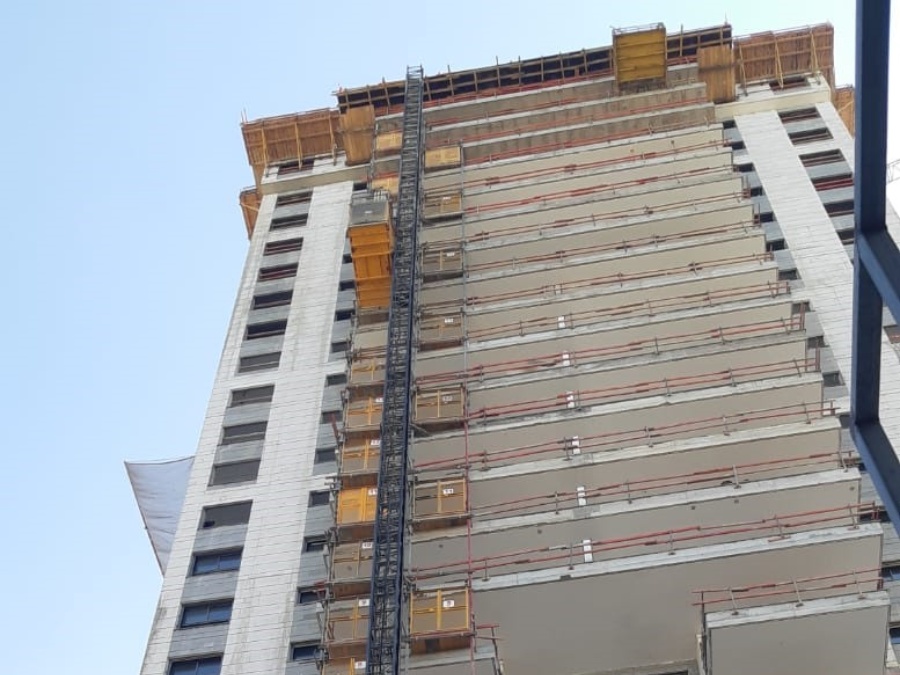 Sivan Bitsua Netanya
 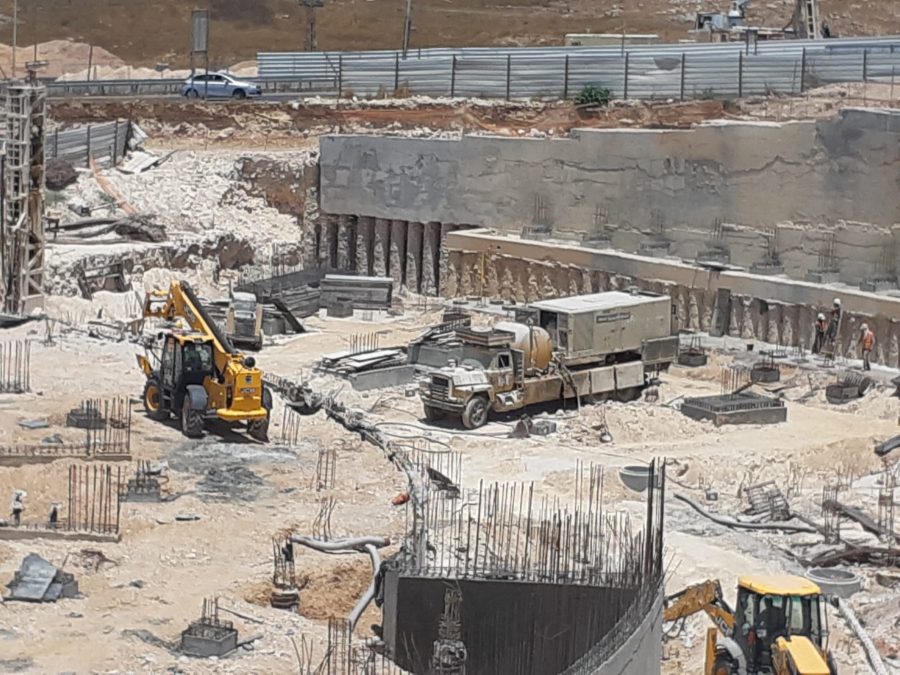 Park & Ride Jerusalem
 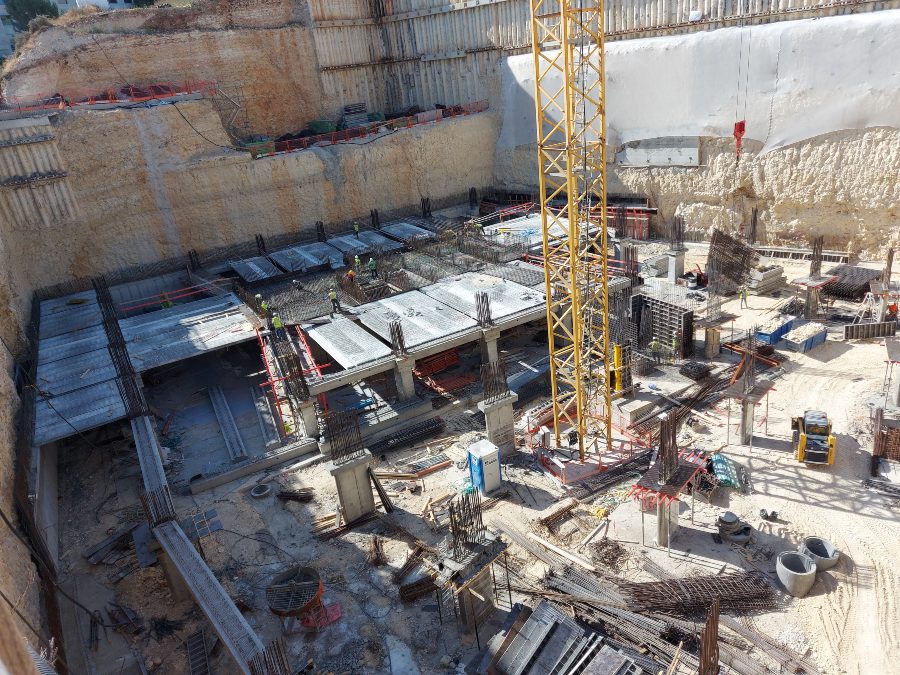 Ram Tower Jerusalem
 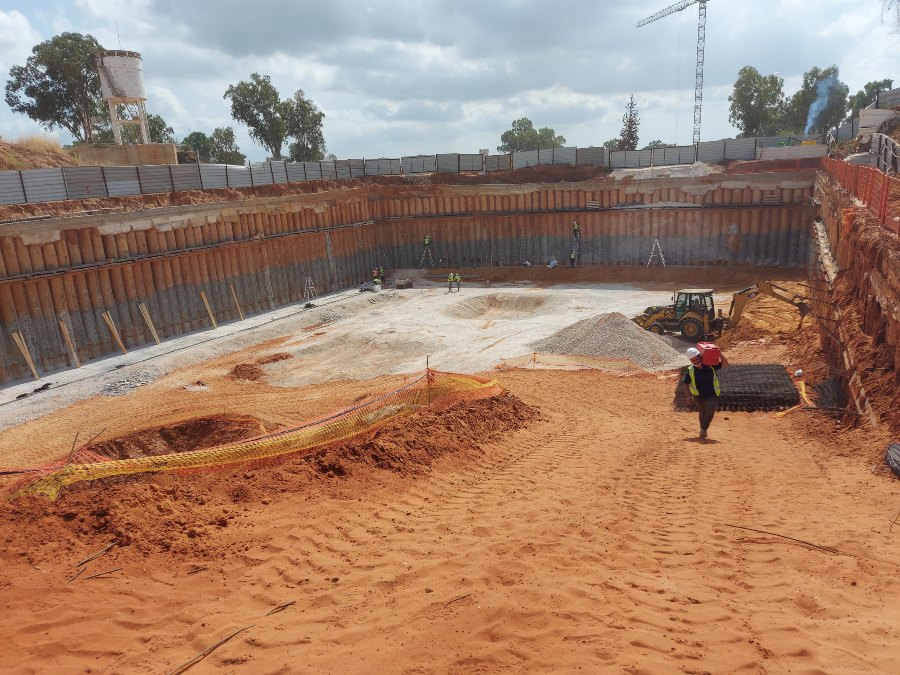 Narcissim Rishon LeZion
Instructional & field-test videos
Field pull-out test — Rebar Ø 12 mm
Field pull-out tests of 12 mm rebar dowels anchored with Chemfix200 — measuring the actual holding load in concrete.
Field pull-out test — Rebar Ø 16 mm
Pull-out tests of 16 mm rebar dowels — high holding loads at deep embedment.
Field pull-out test — Rebar Ø 20 mm
Pull-out tests of 20 mm rebar dowels — large-diameter anchoring for heavy loads.
Field pull-out test — Threaded rod M12
Pull-out tests of M12 threaded rod anchored with Chemfix200.
Field pull-out test — Dywidag bar Ø 16 mm
Pull-out tests of a 16 mm Dywidag bar — high-load bar systems.
Hybrid vinylester chemical anchor: the complete guide
Everything you need to know about the hybrid vinylester chemical anchor — from the principle, through installation, to the largest projects. ADIT CHEMFIX200 has been the best-selling chemical anchor in Israel over the past decade, and in every head-to-head comparison against competitors it has come out on top. This guide was written by the experts at Adit Ltd., the largest chemical-anchor company in Israel.
What is a hybrid vinylester chemical anchor and how does it work?
A hybrid vinylester chemical anchor is a two-component chemical adhesive that combines the best of two systems: a highly reactive vinylester base together with advanced hybridization additives.
The result is a chemical anchor offering exceptionally high performance, fast cure time and excellent durability in tough field conditions — at a competitive price compared to pure epoxy. When the two components are mixed (inside the mixer nozzle), a rapid chemical reaction begins, forming a strong polymer structure that bonds firmly to the base material.
Why “hybrid”?
The advanced formula combines the fast cure of vinylester with enhanced resistance to moisture and chemicals. Unlike ordinary polyester, the hybrid formula of CHEMFIX200 allows the chemical anchor to be used in wet concrete and ensures a durable hold over time. This is an advantage that extensive testing in Israel has proven time and again to be unrivaled in this category of chemical anchors.
Chemical anchor installation steps — recommended workflow
- Drilling — drill to the diameter and depth specified in the manufacturer’s table.
- Cleaning the hole — use a cleaning brush and blow out the dust (hand pump or compressed air). This is a critical step for optimal holding of the chemical anchor!
- Injecting the adhesive — fill the hole from the bottom upward (about 2/3 of the hole depth) using a dedicated dispenser and static mixer. Be sure to inject a small waste bead on the side before injecting into the hole, to confirm even mixing of the components (uniform color).
- Inserting the anchor — insert the threaded rod / rebar while slightly rotating it to distribute the material around the full circumference of the hole and prevent air bubbles.
- Cure time — wait for the material to cure. Hybrid vinylester has an especially fast cure time: it can be loaded after a relatively short time depending on ambient temperature (per the manufacturer’s tables).
The best-selling chemical anchor in Israel — and not by chance
Over the past decade, ADIT CHEMFIX200 has cemented its position as the best-selling chemical anchor in Israel. Behind this figure lies something far more solid than mere marketing: very large quantities of laboratory and field tests conducted in Israel, including head-to-head tests against competing chemical-anchor products — in all of which CHEMFIX200 came out on top.
The tests examined resistance at extreme temperatures, holding in wet concrete, chemical-anchor performance in cracked concrete, cure times in cold conditions and more — and in every key parameter the product recorded superior results. This is why structural engineers, contractors and infrastructure companies throughout the country keep choosing it project after project.
Advantages of the hybrid vinylester chemical anchor (CHEMFIX200)
The market offers several types of chemical-anchor systems: polyester, epoxy and vinylester. The advanced hybrid vinylester chemical anchor offers a unique combination of advantages that makes it the most balanced and competitive solution on the market:
- Fast cure: reaches full strength significantly faster than pure epoxy, shortening work times and lowering costs on large projects.
- Moisture and wet-concrete resistance: unlike ordinary polyester, the formula is not affected by water and allows work in humid environments and even in wet drill holes.
- High holding strength: high tensile and shear load values suitable for demanding engineering projects.
- Temperature stability: retains its properties over a wide temperature range, including work in extreme heat and cold.
- Competitive price: a chemical anchor that delivers high performance at a lower cost than pure epoxy — an ideal economical solution for very large projects.
- Approvals and standards: meets the requirements of the European standard (ETA) and is recognized by structural engineers. The adhesive is also approved for cracked and non-cracked concrete and for seismic categories C1-C2.
- Safer work environment: the hybrid formula (usually Styrene Free) reduces pungent odors and chemical exposure compared with classic vinylester, allowing work in enclosed spaces.
Common applications and major projects
ADIT CHEMFIX200 has proven itself in the field on the most complex and demanding projects in Israel and worldwide. A combination of fast cure, strong chemical hold and durability has made it the first choice on projects such as:
- Ports (including underwater anchoring and salt-water / pressure environments)
- Tunnels and bridges
- High-rise buildings and luxury towers
- Malls and underground parking garages
- Factories and public infrastructure
The ability to work quickly without compromising strength makes hybrid vinylester the preferred solution when schedules are tight.
Why choose Adit Ltd. for your chemical anchor?
In a market flooded with chemical-anchor products from every direction, choosing the right supplier is no less critical than choosing the product itself. Adit Ltd. — the largest company in the field in Israel today — offers a comprehensive package:
- In-depth engineering consulting: certified engineers who help with the right selection, load calculation and regulatory compliance.
- Field training: agents with over 10 years of experience who come to the site and train the team in correct application of the chemical anchor.
- International quality: rigorous quality control and strict standards for all products.
- Available, immediate stock: fast delivery anywhere in the country from the widest inventory in Israel.
- Uncompromising service and support: full availability and comprehensive professional guidance at every stage of the project.
Frequently asked questions
What is the difference between a hybrid vinylester chemical anchor and ordinary polyester?
What is the difference between hybrid vinylester and pure epoxy?
How long does the chemical anchor take to harden before it can be loaded?
Can a chemical anchor be used in wet concrete?
What is the correct drill-hole size for chemical anchoring?
Is a chemical anchor suitable for work in cracked concrete?
Under what conditions should chemical-anchor cartridges be stored?
Is it mandatory to use a cleaning brush to clean the hole?
What is a hybrid vinylester adhesive?
What is the difference between Chemfix200 and Chemfix100?
Can it be used in hollow blocks?
What is WRAS approval?
Need an adhesive that covers everything? Tell us about the base material, the load and the required standard — our engineers will recommend the right product and send you the approvals.