
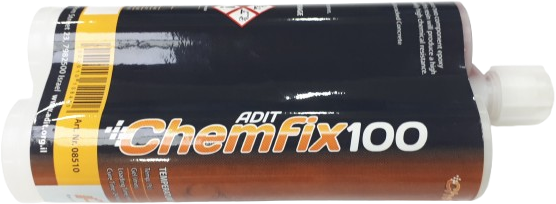
Chemfix100 Epoxy Adhesive
Pure injectable epoxy adhesive for rebar dowelling and chemical anchoring — ETA1 for cracked concrete, seismic C1-C2, Shock loads and green (EPD/LEED) certification.
The Adit chemical anchor family
Choose the right adhesive for your load, substrate and approval requirements.
Technical specification
| Property | Chemfix100 — pure epoxy, European approval |
|---|---|
| Adhesive type | Advanced epoxy |
| Technology | Injectable chemical anchoring |
| Cracked concrete | Yes |
| Dynamic loads | Yes — wind, cyclic and Shock |
| Seismic | Yes — C1 and C2 |
| Underwater application | Yes |
| Diamond drilling | Yes |
| Fire rating | Yes |
| Green certification | Yes — EPD / LEED |
| Approvals | ETA for concrete anchoring · ETA for rebar · Shock approval |
Downloads
Proven in the field — selected projects in Israel
Chemfix100 epoxy adhesive is installed in hundreds of projects across Israel.
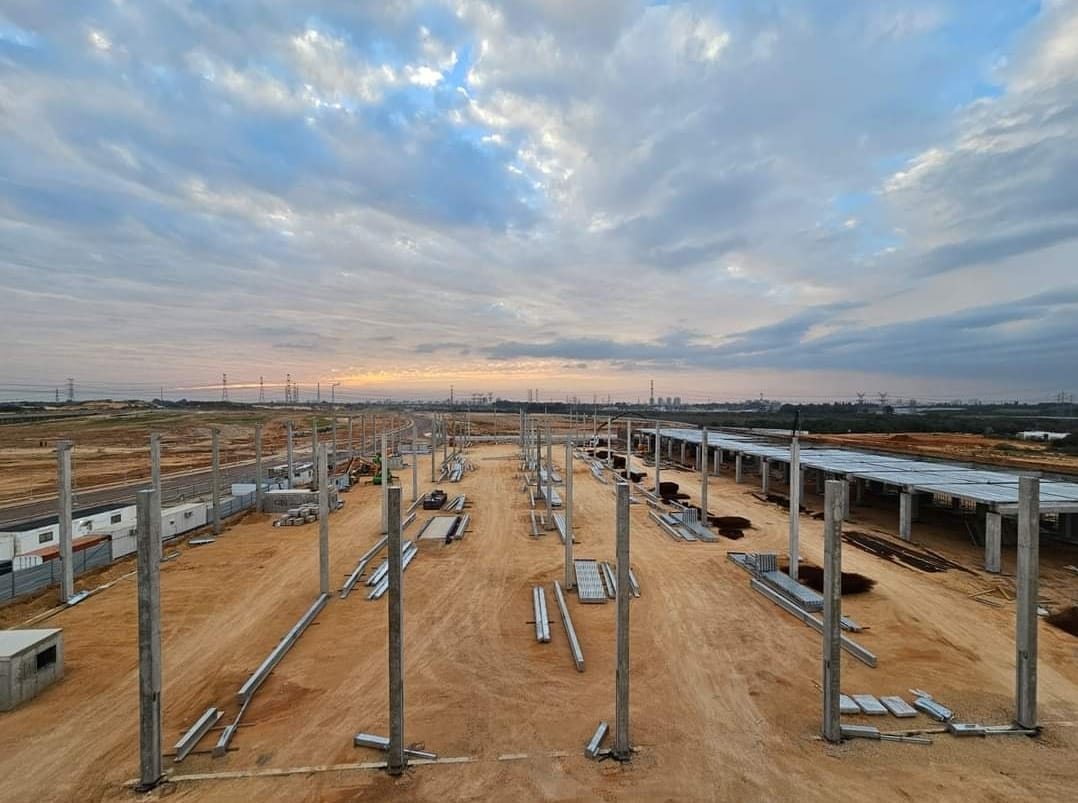 Merlog Golf Caesarea project
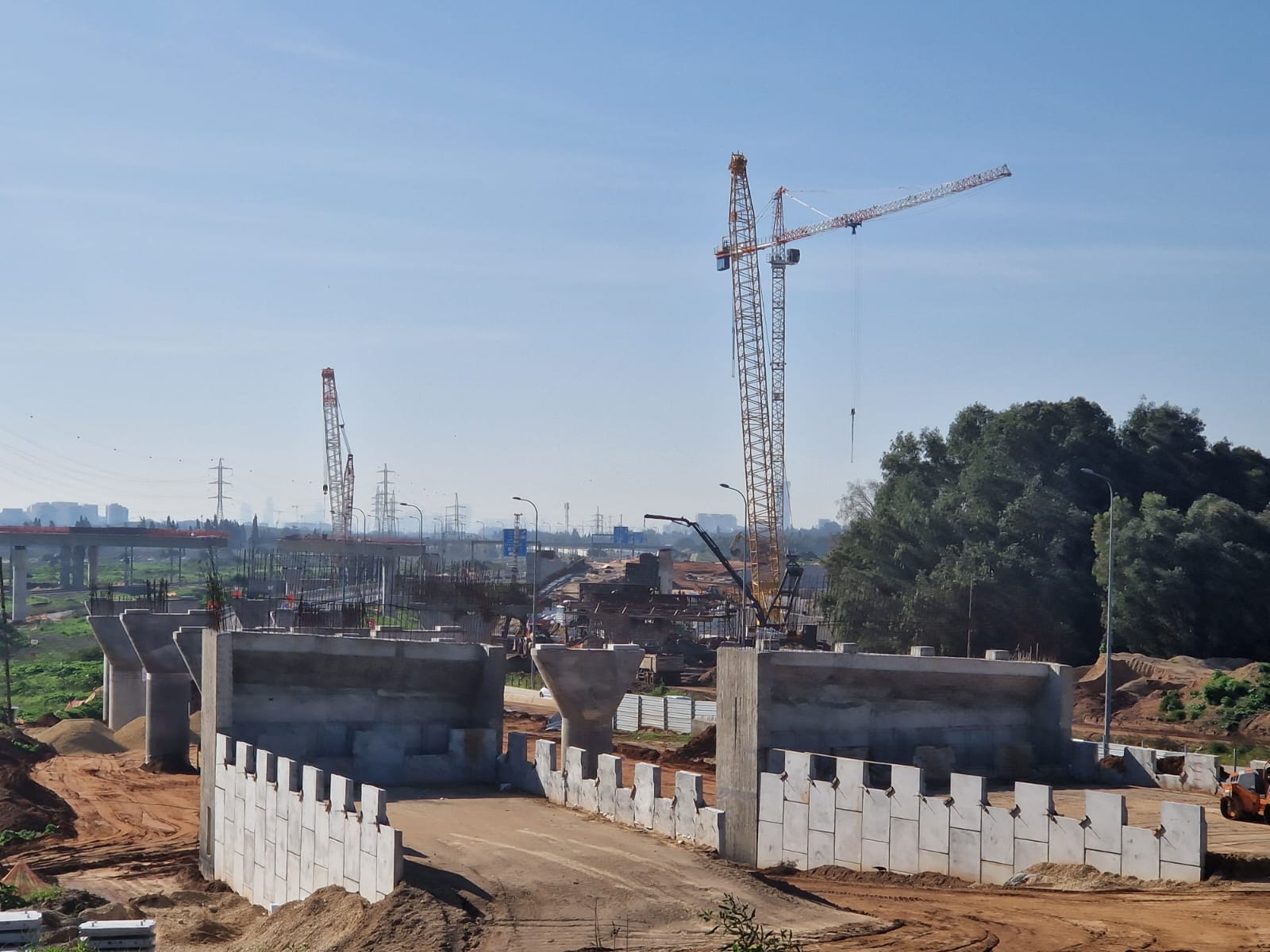
 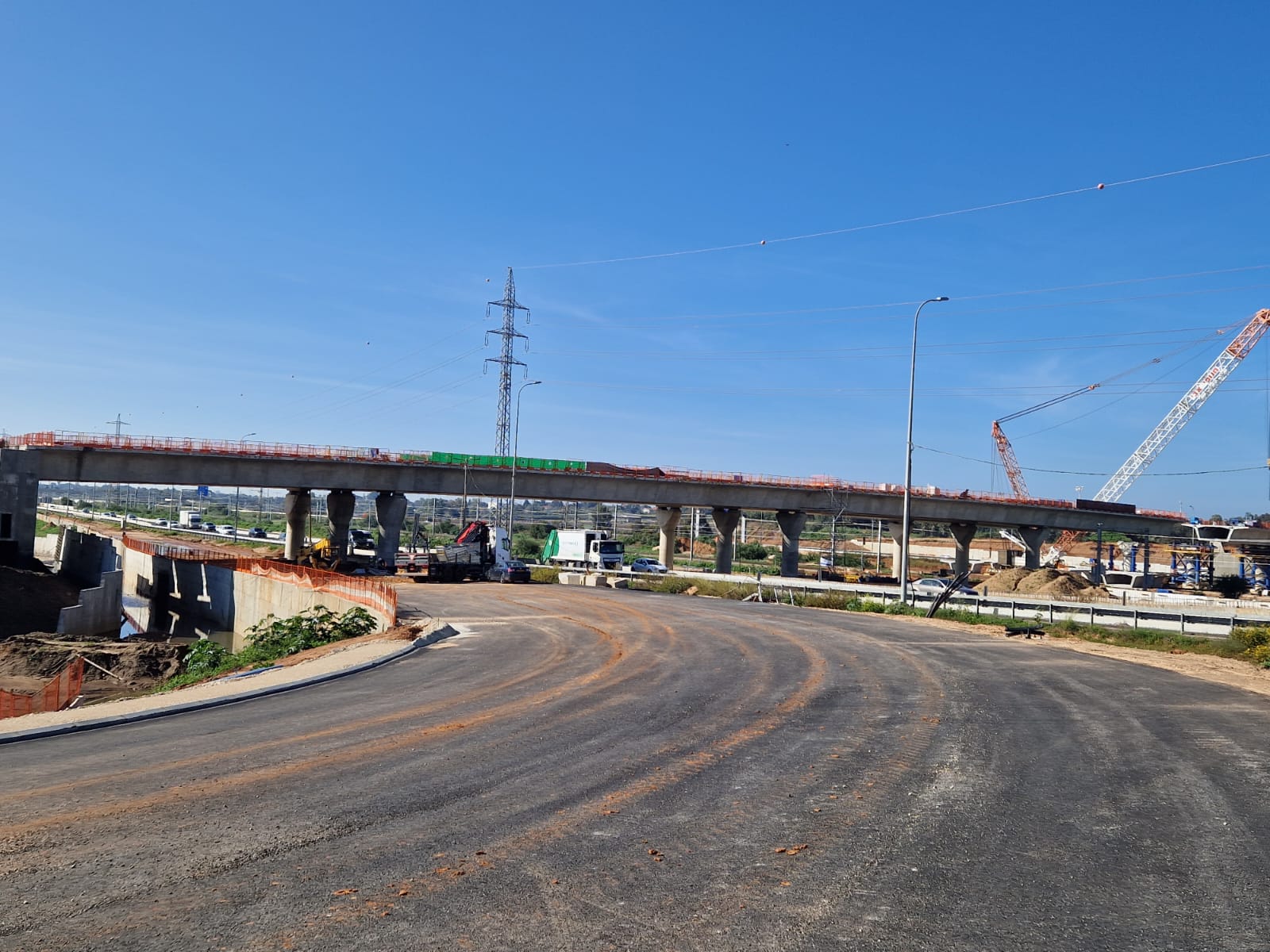 Road 54
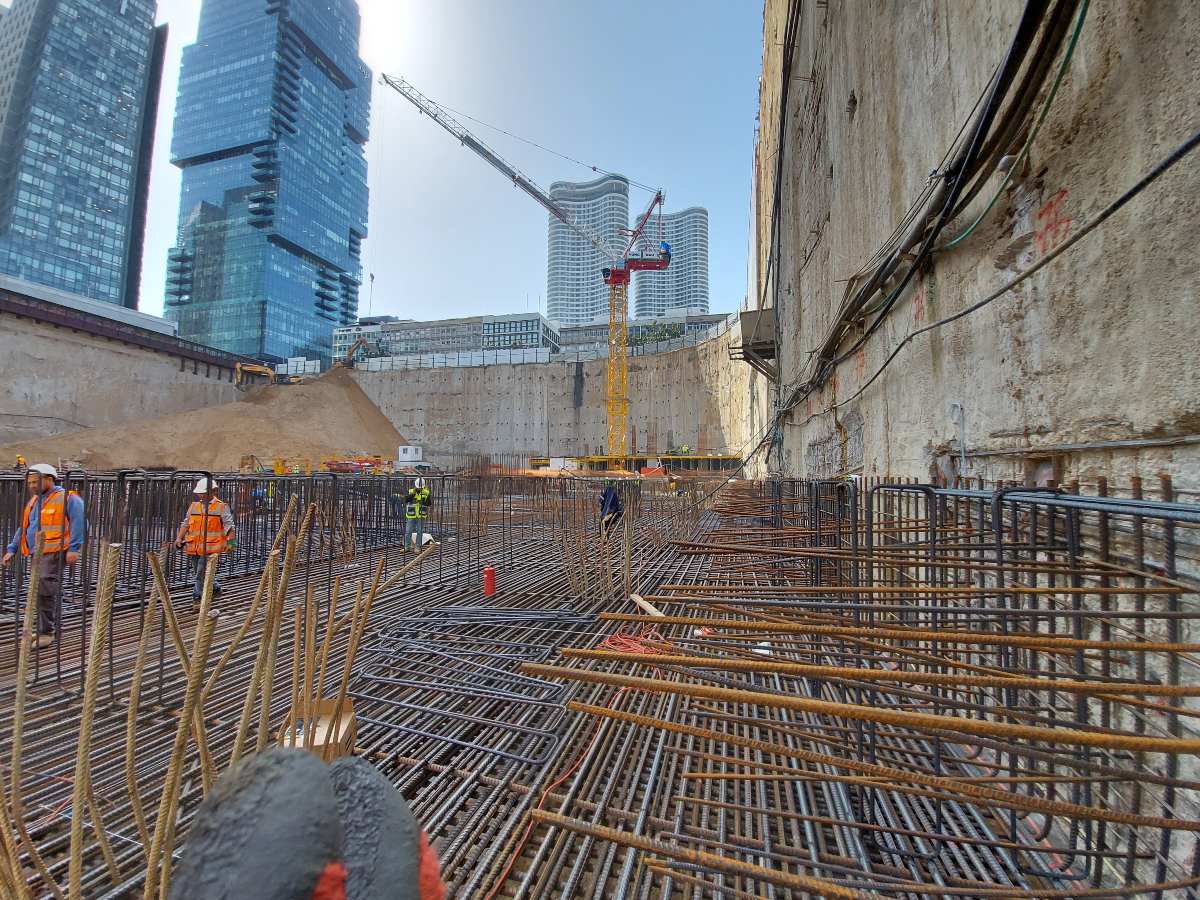
  Shefayim Parking
  Landmark Da Vinci
  Victory Buchman Modiin
  City of Wine
 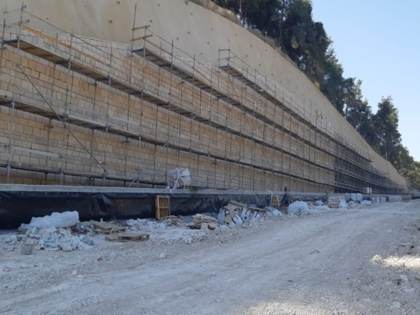 Road 6 North
 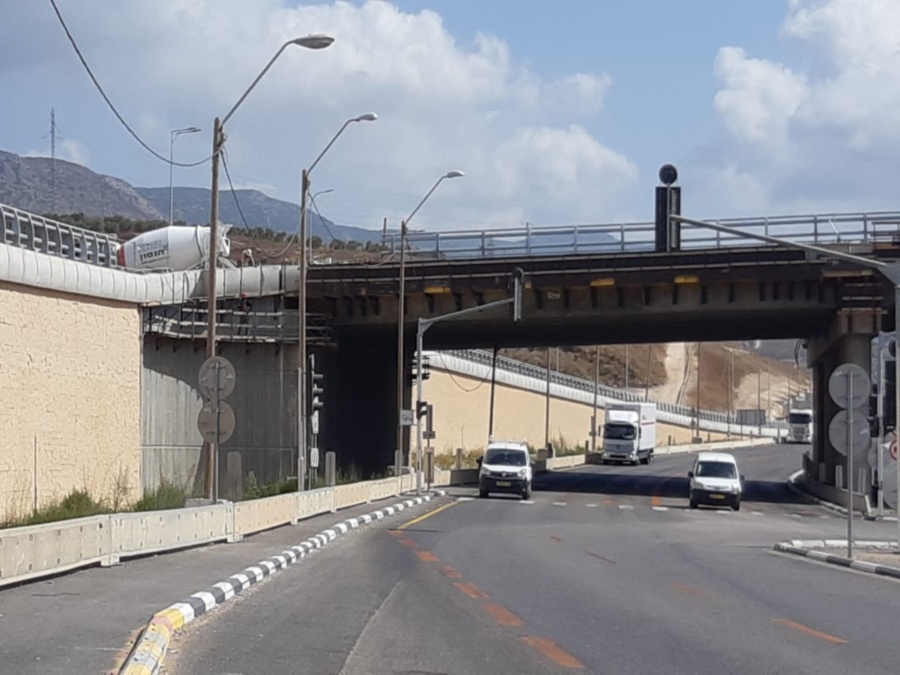 Road 85 Carmiel
  Touch Beer Sheva
 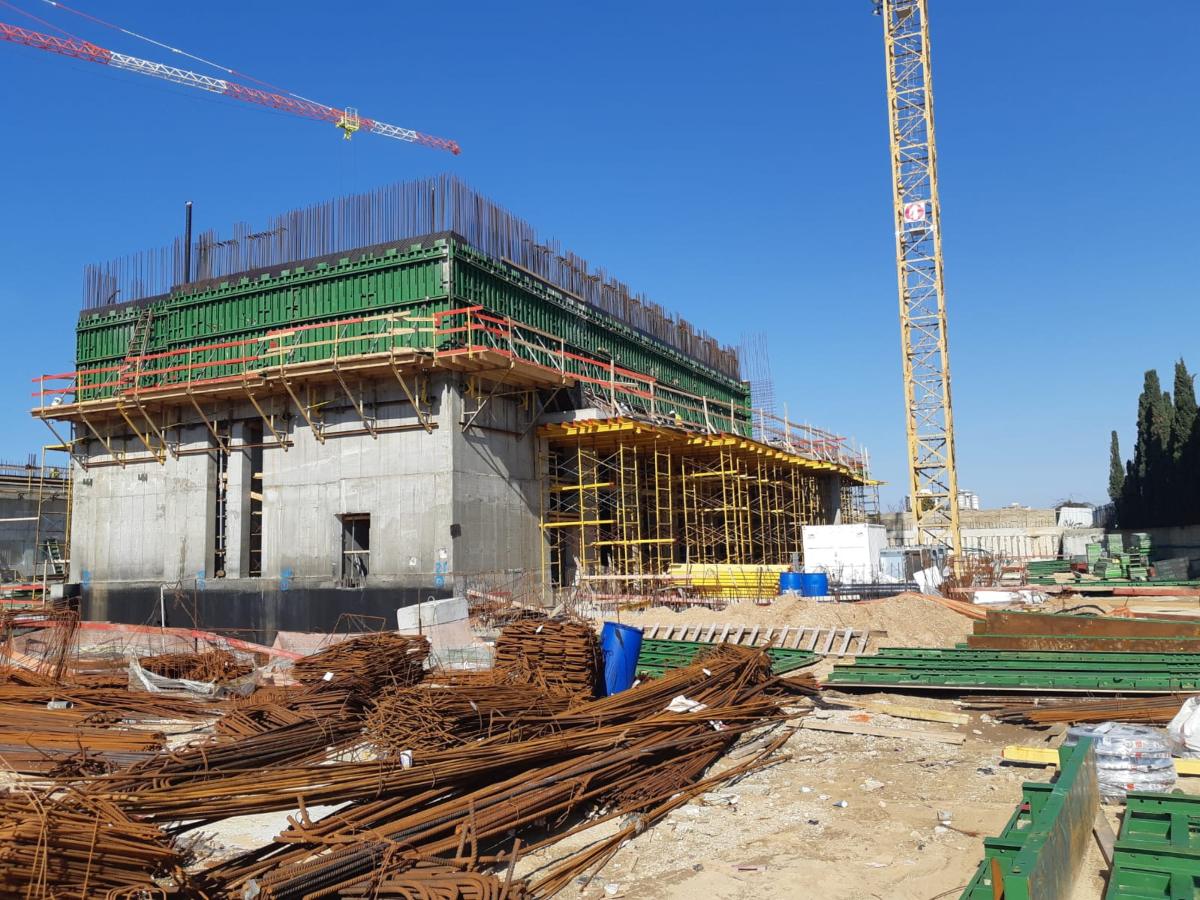 Bayt Balev
 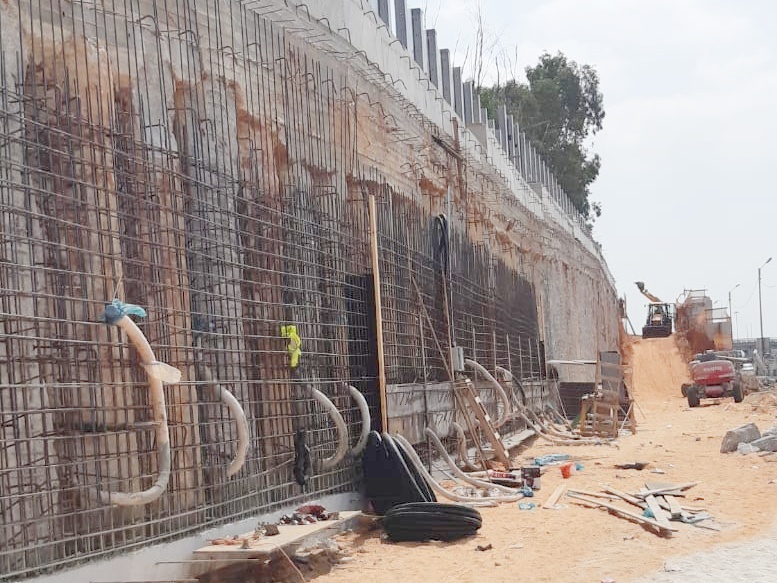 Road 531 Terre Armee
 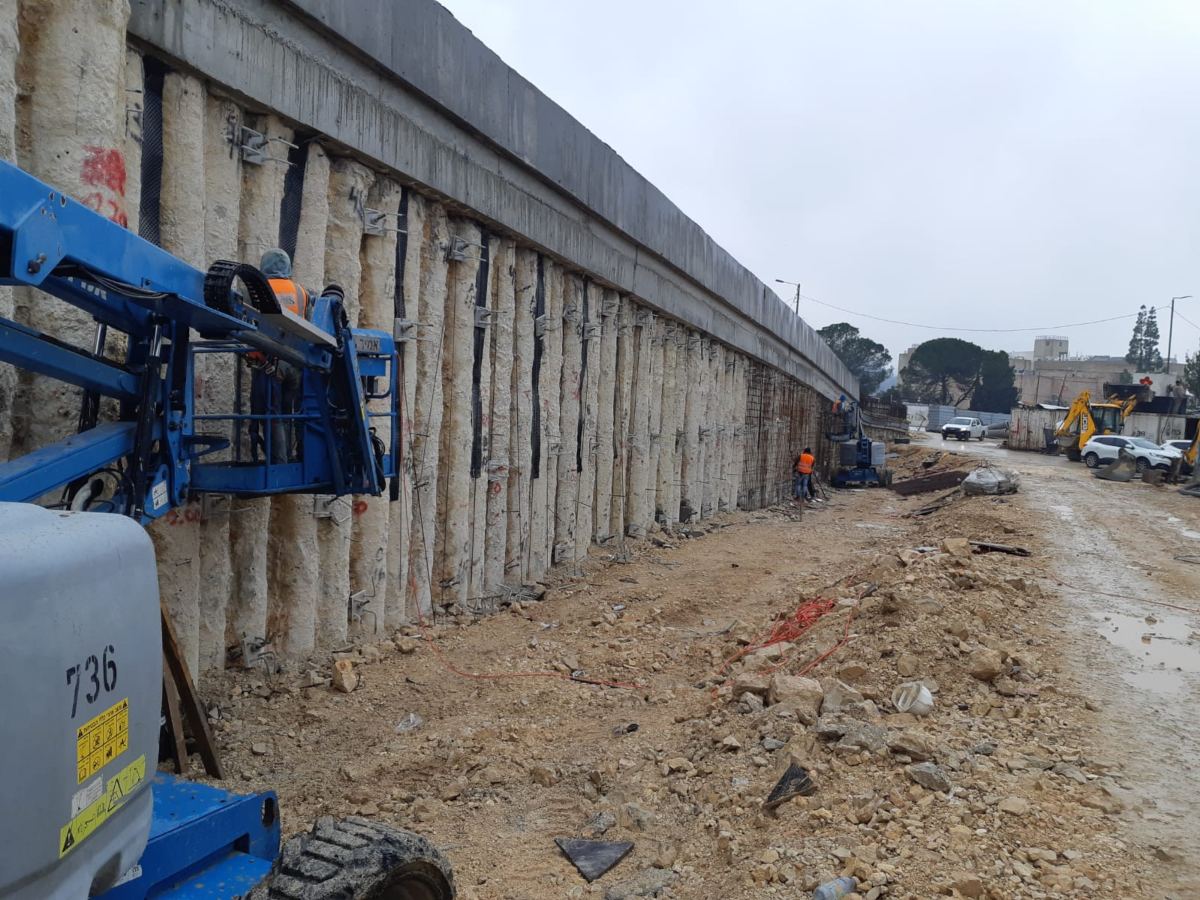 Hadassah Ein Kerem – Jerusalem
 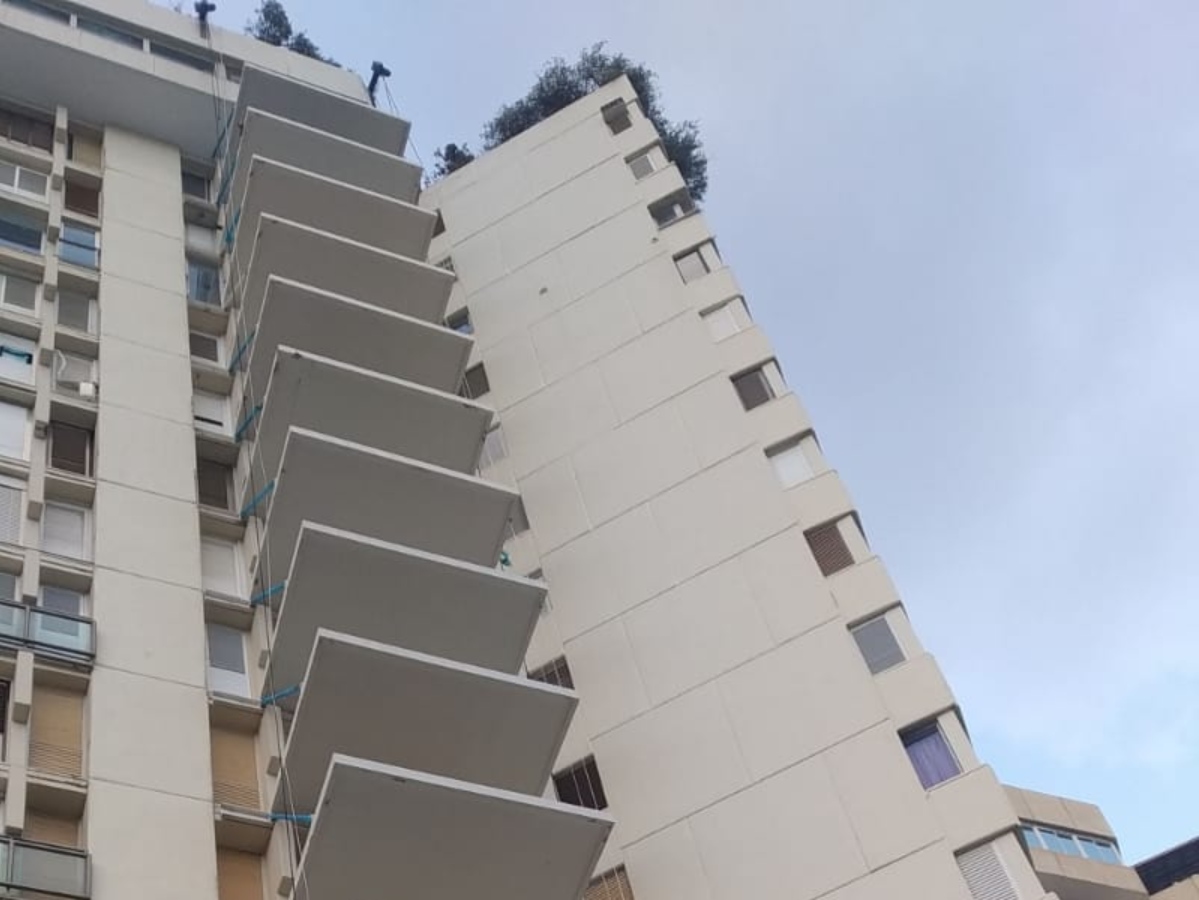 Balkind Street Tel Aviv
 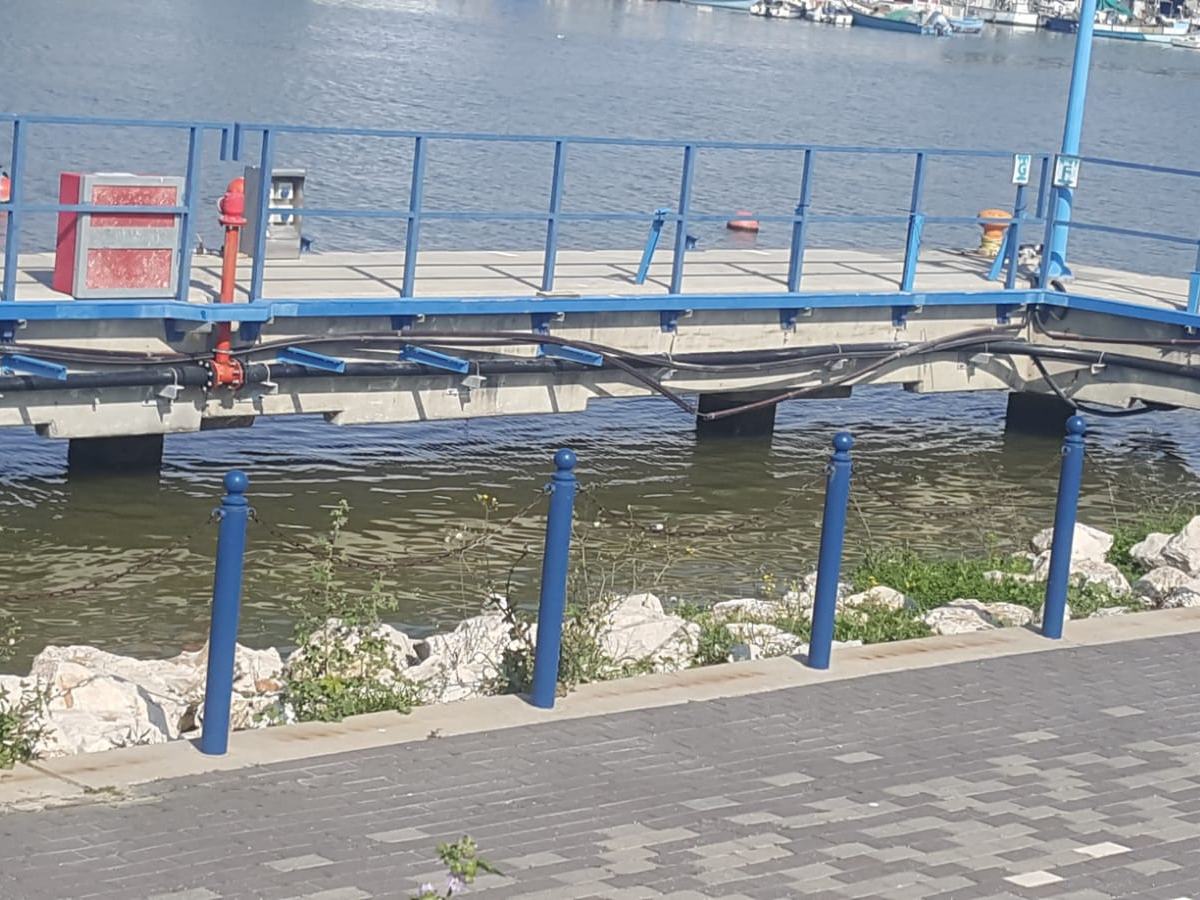 Haifa Port Fish Pools
  Park HaYam Bat Yam
 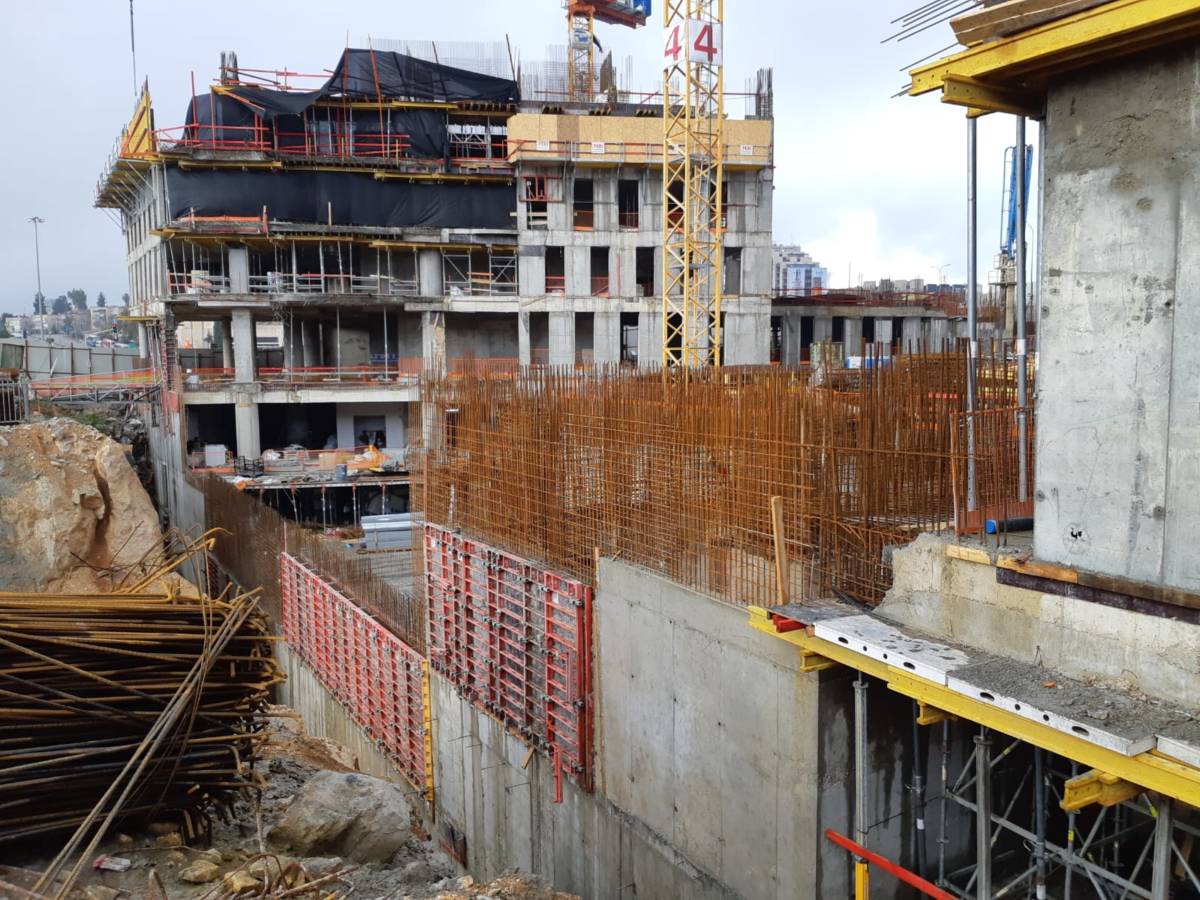 Ministry of Justice Jerusalem
 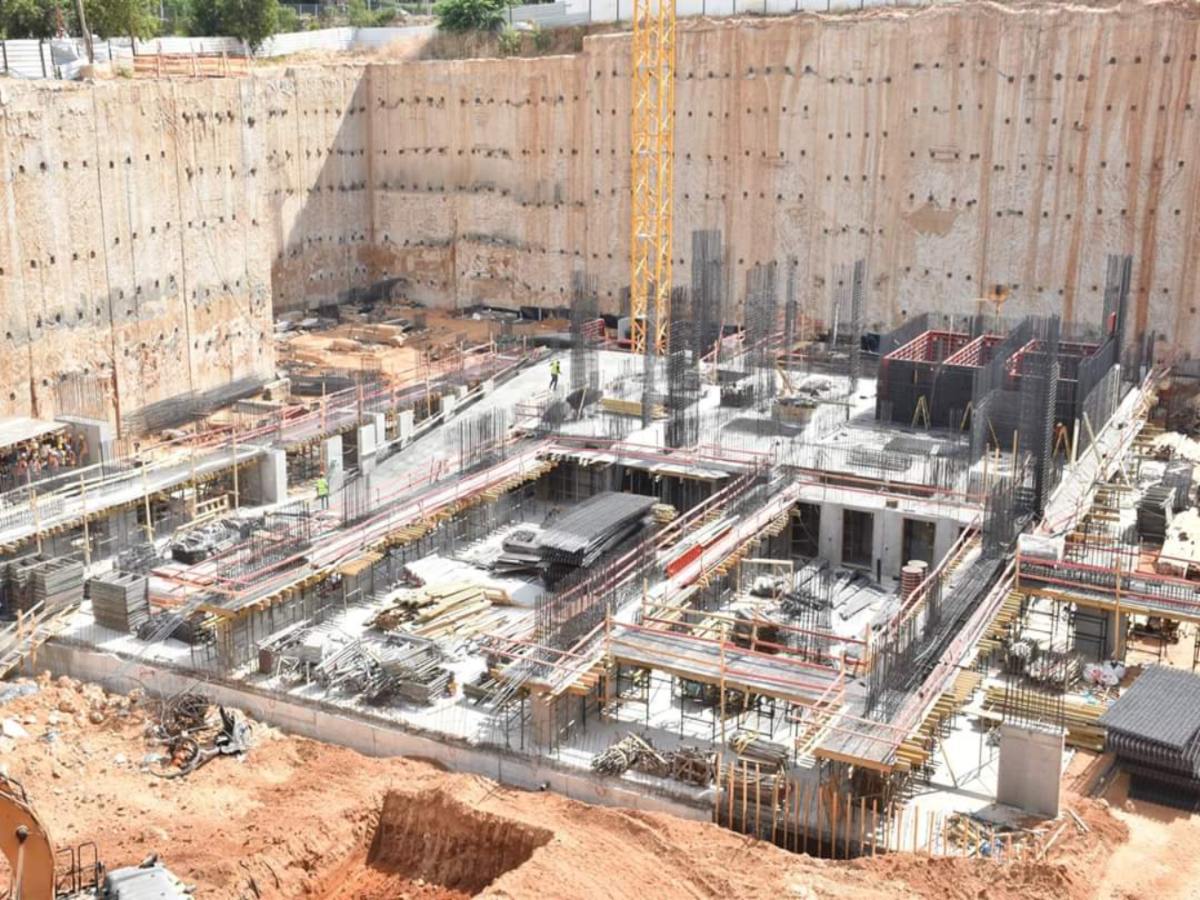 Amot Investments Holon
 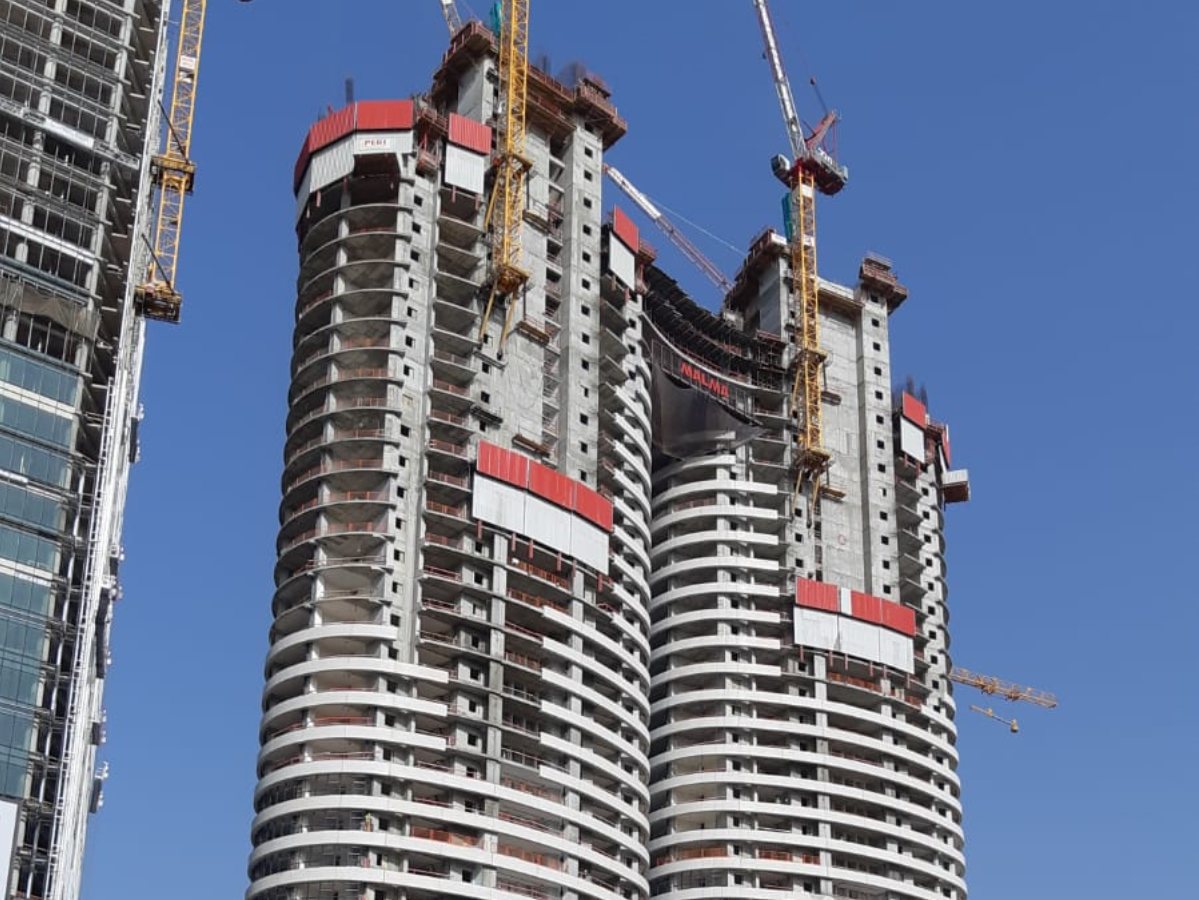 Gindi Tel Aviv
 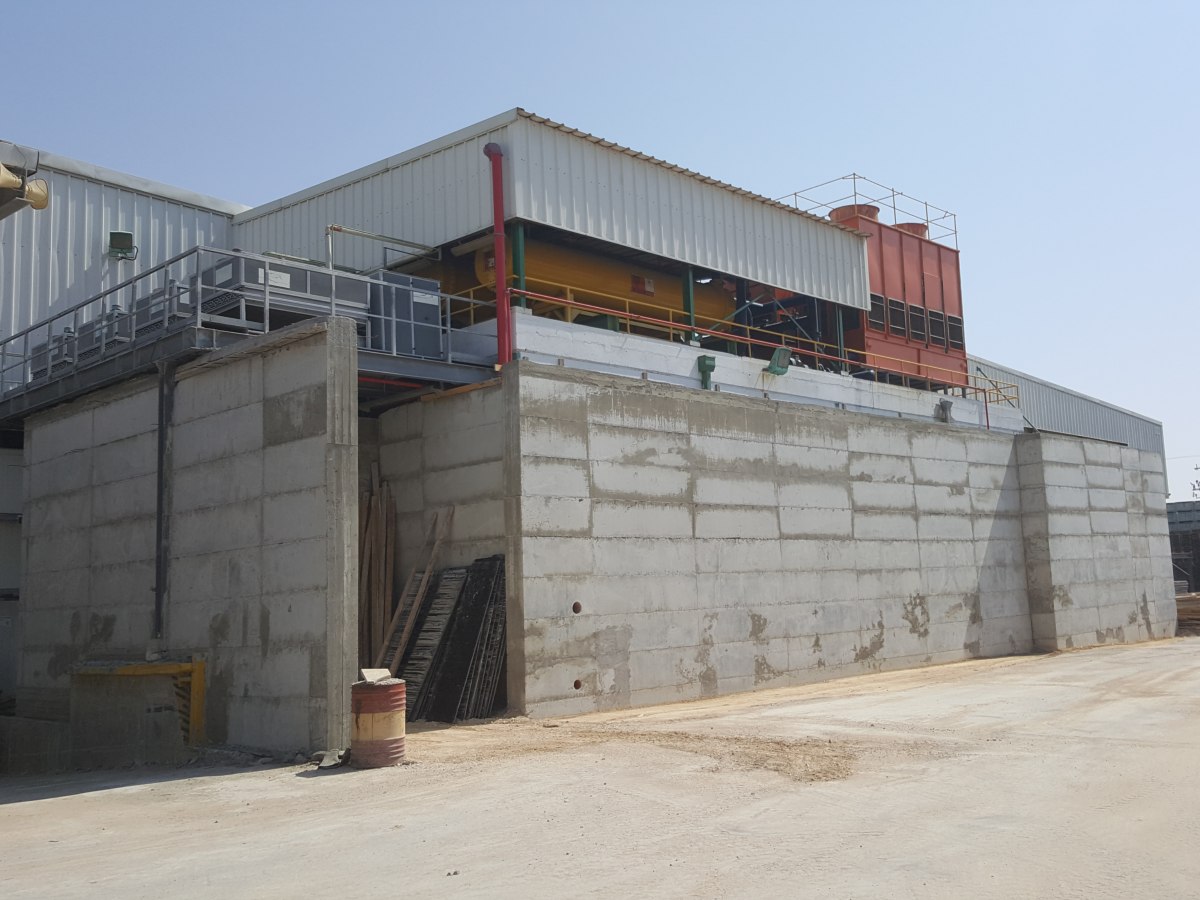 Pri Or Factory Ashkelon
 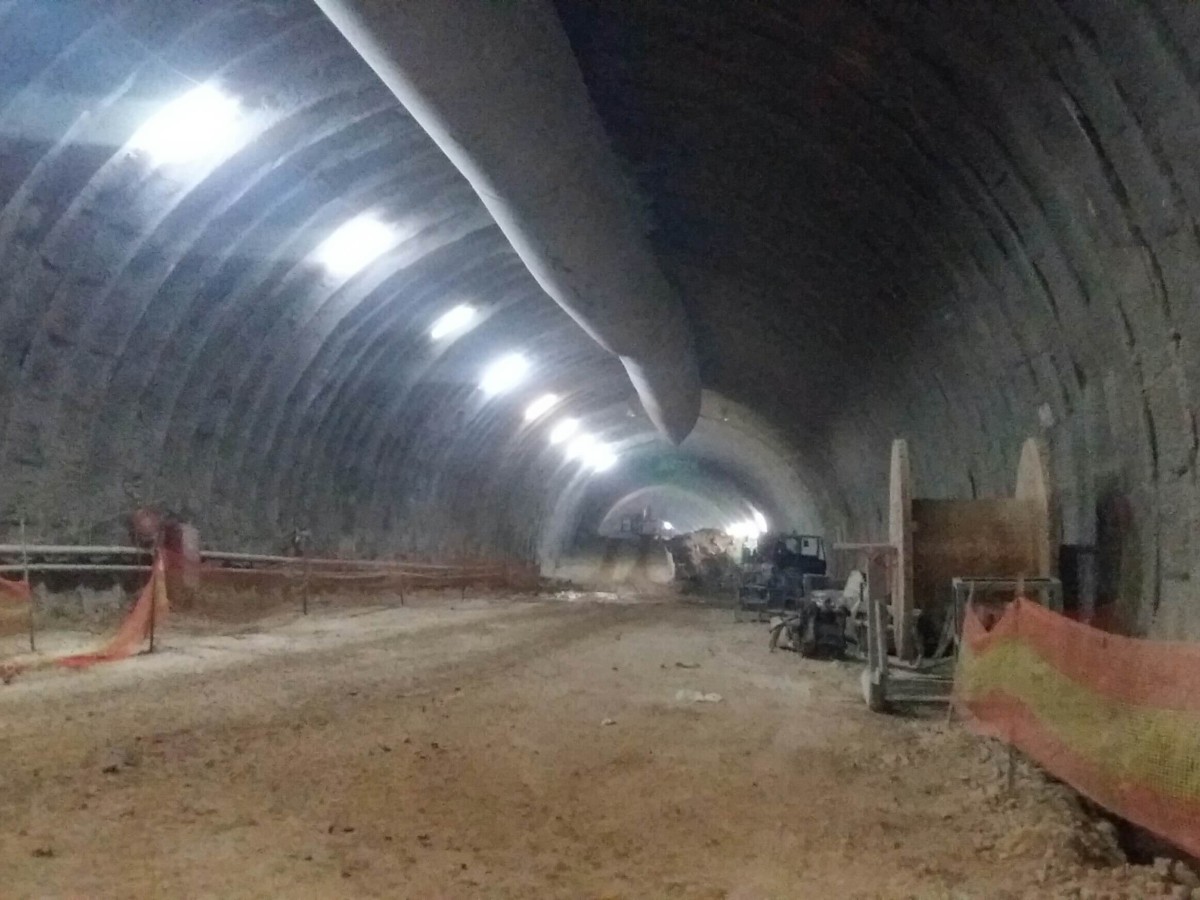 Road 6 Tunnel Yokneam
 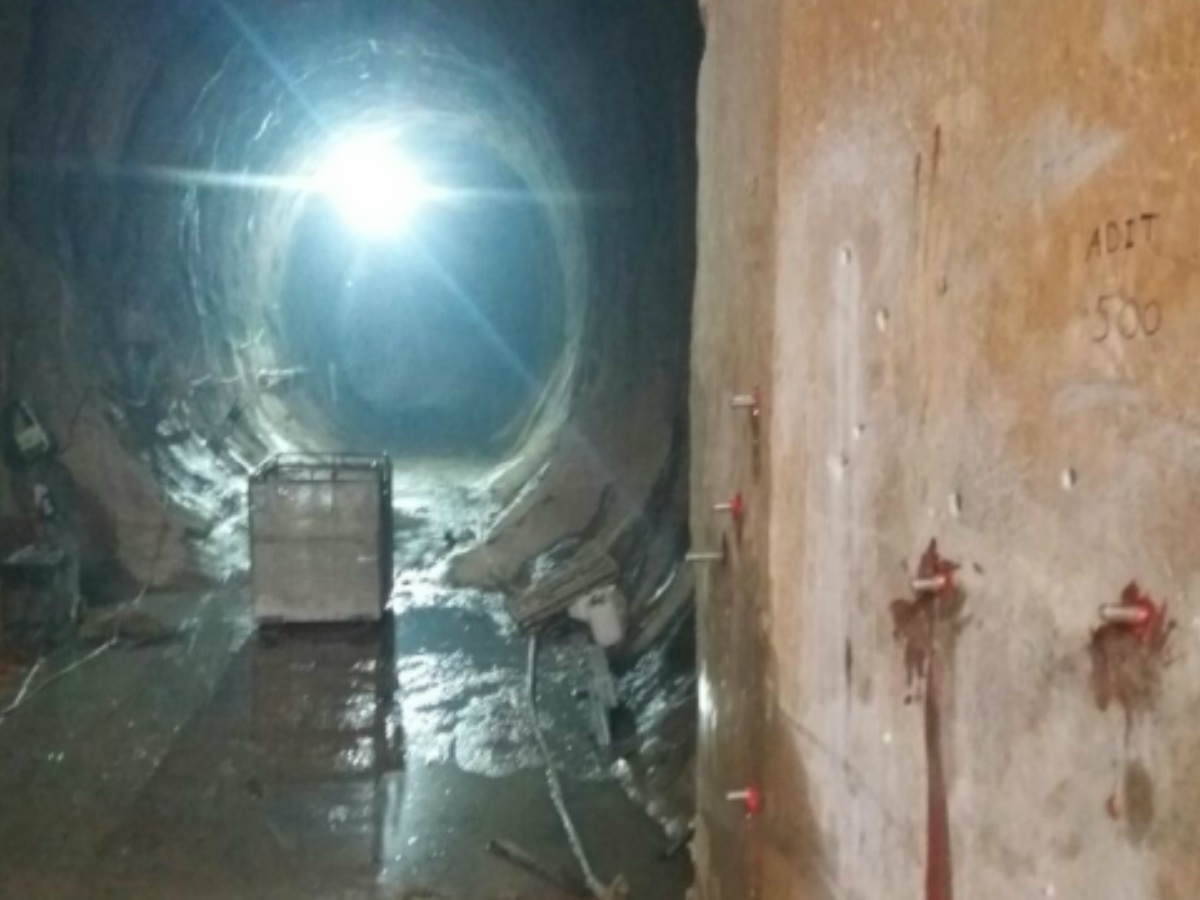 Gilboa Power Plant
 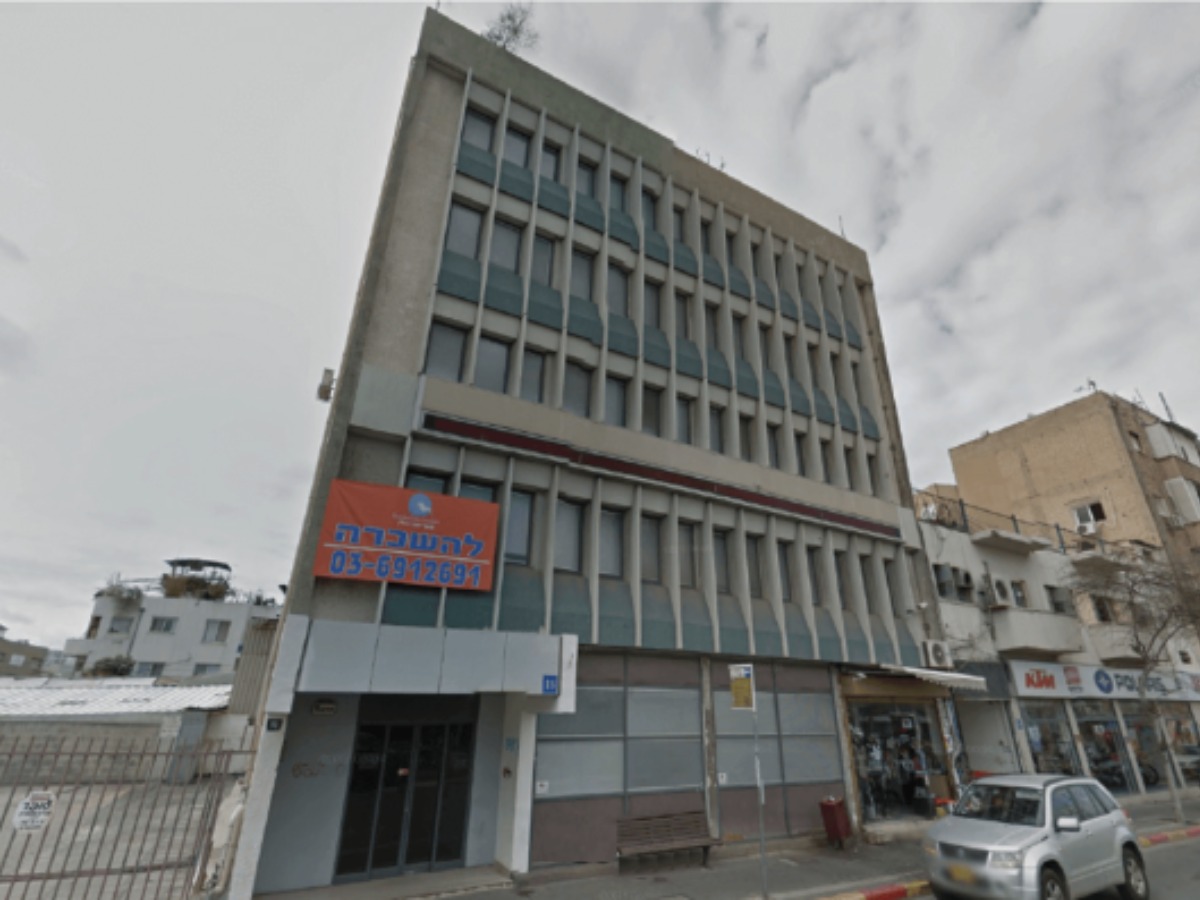 Shocken Towers (18) Tel Aviv
 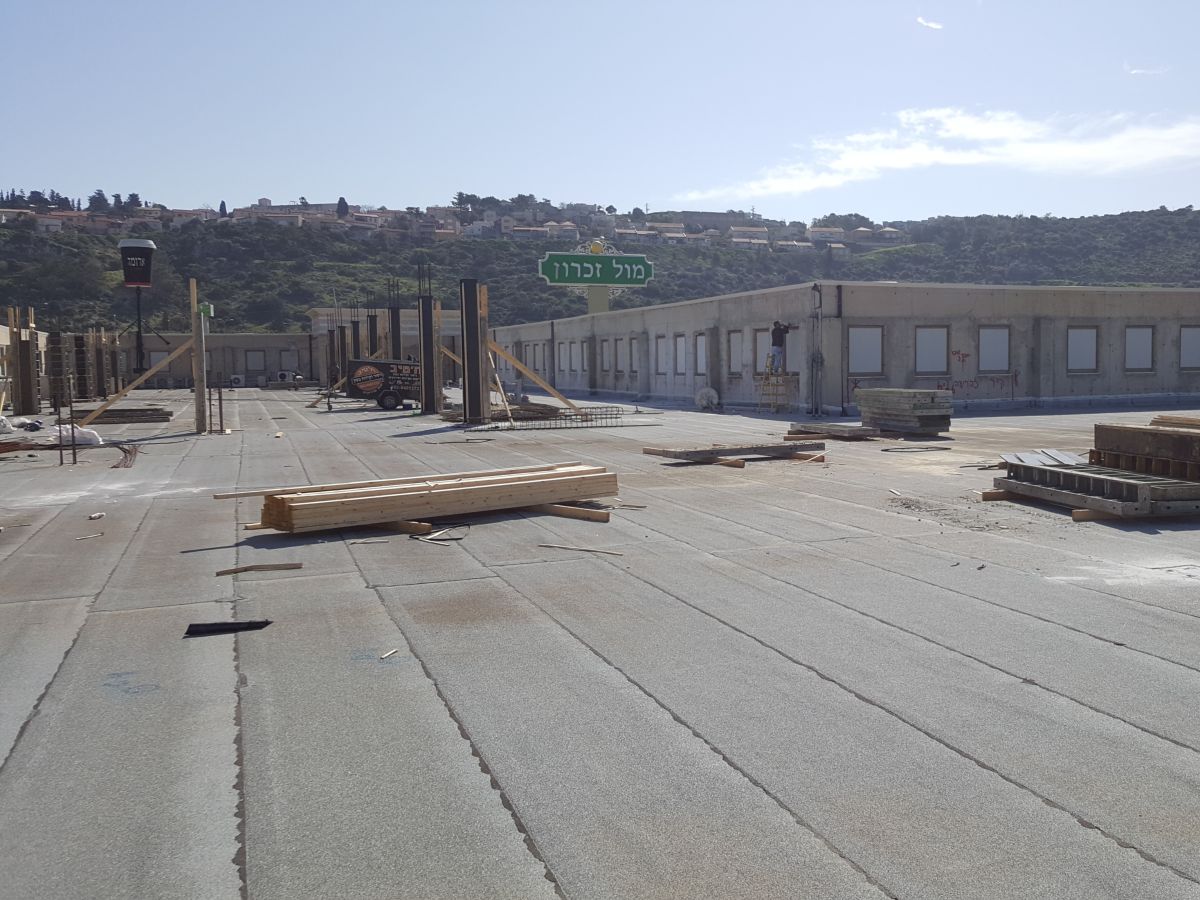 Moul Zikhron Mall
 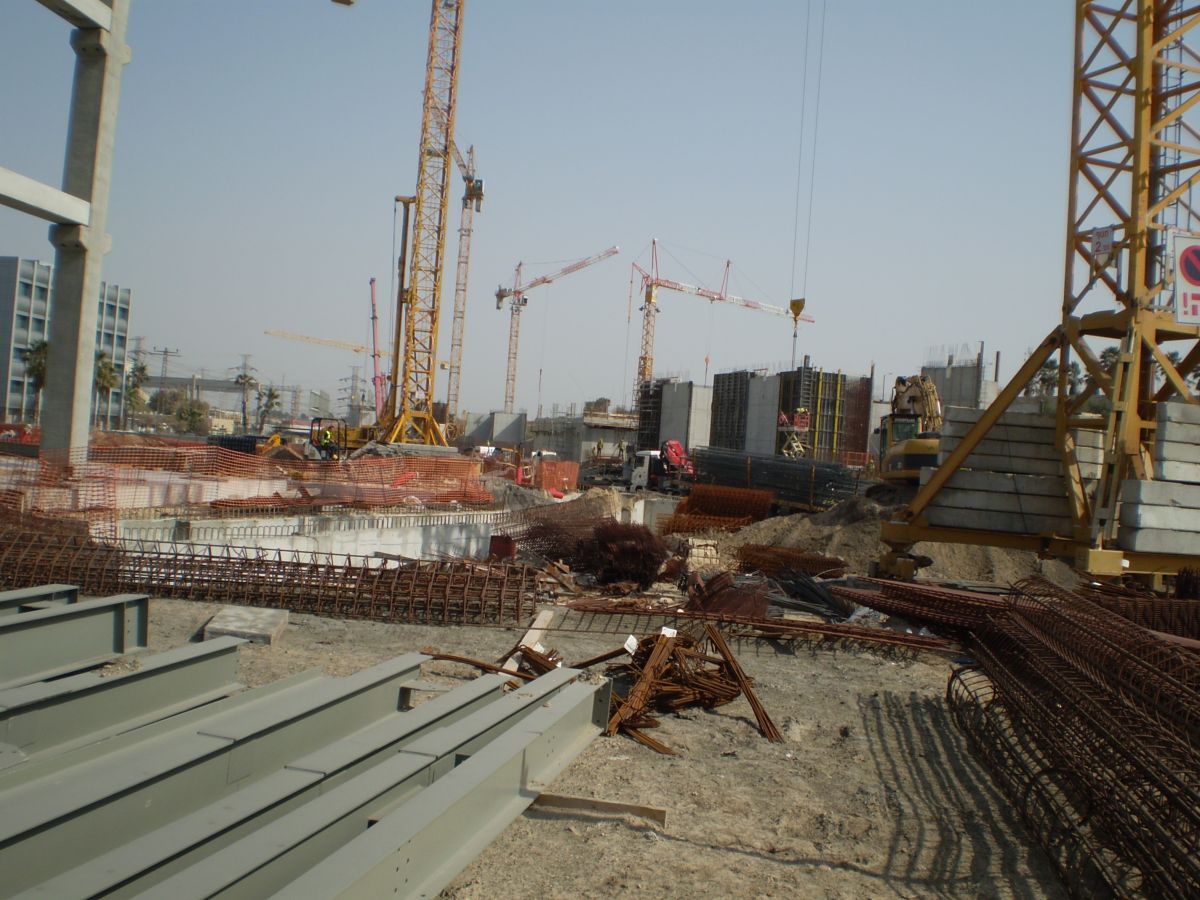 Hadera Water Desalination
 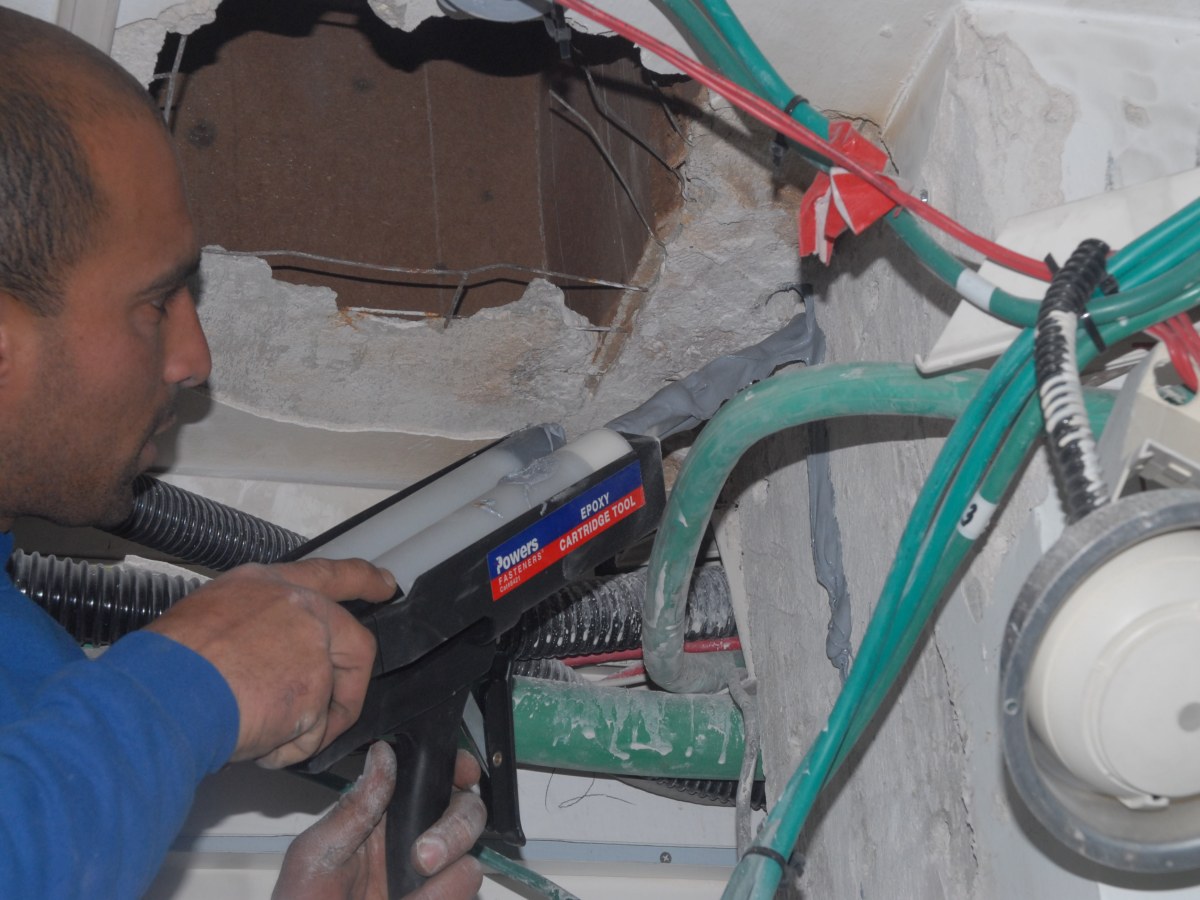 Mizrahi Bank Center Givatayim
  HaHomer 5 Rishon LeZion
  Pisgat Ze’ev Swimming Pool
  Har Hotzvim Mall
 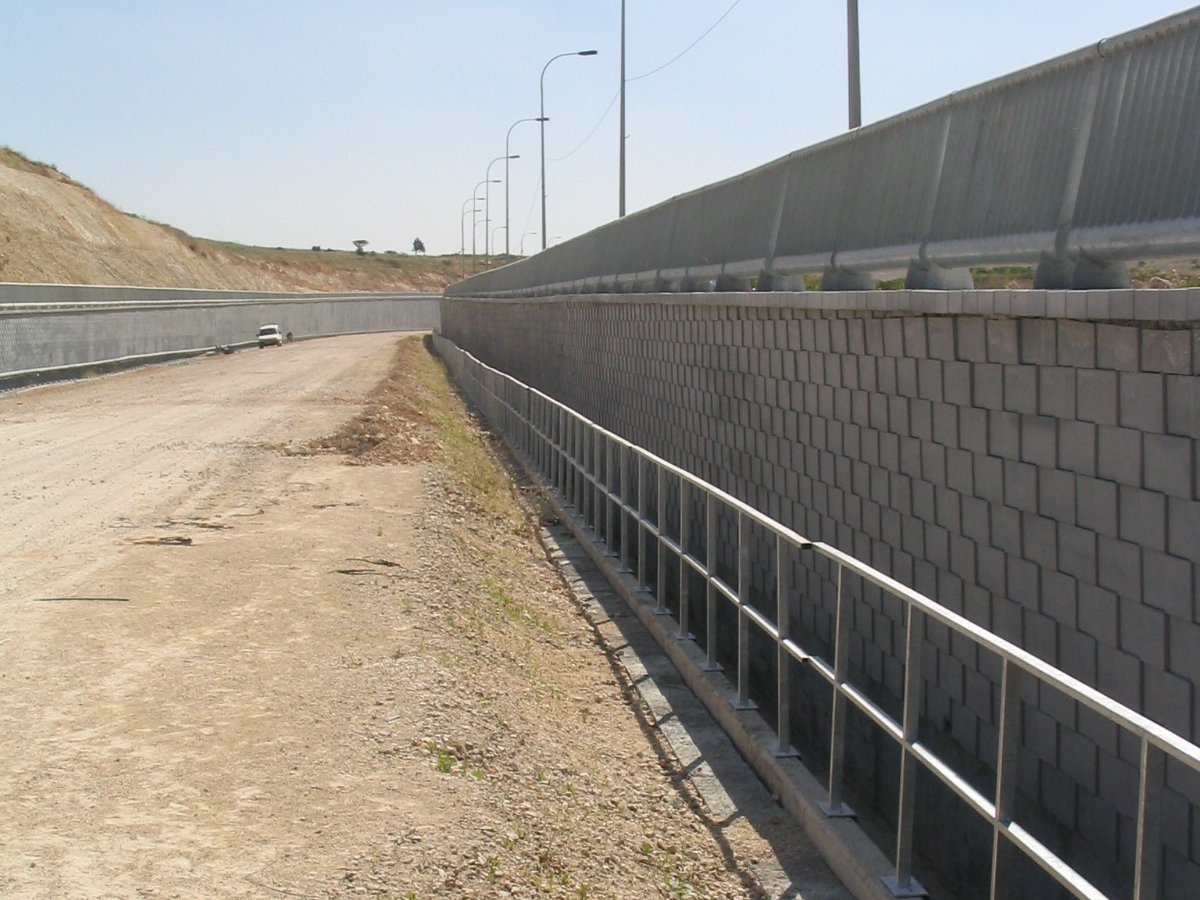 Modiin–Jerusalem Railway
 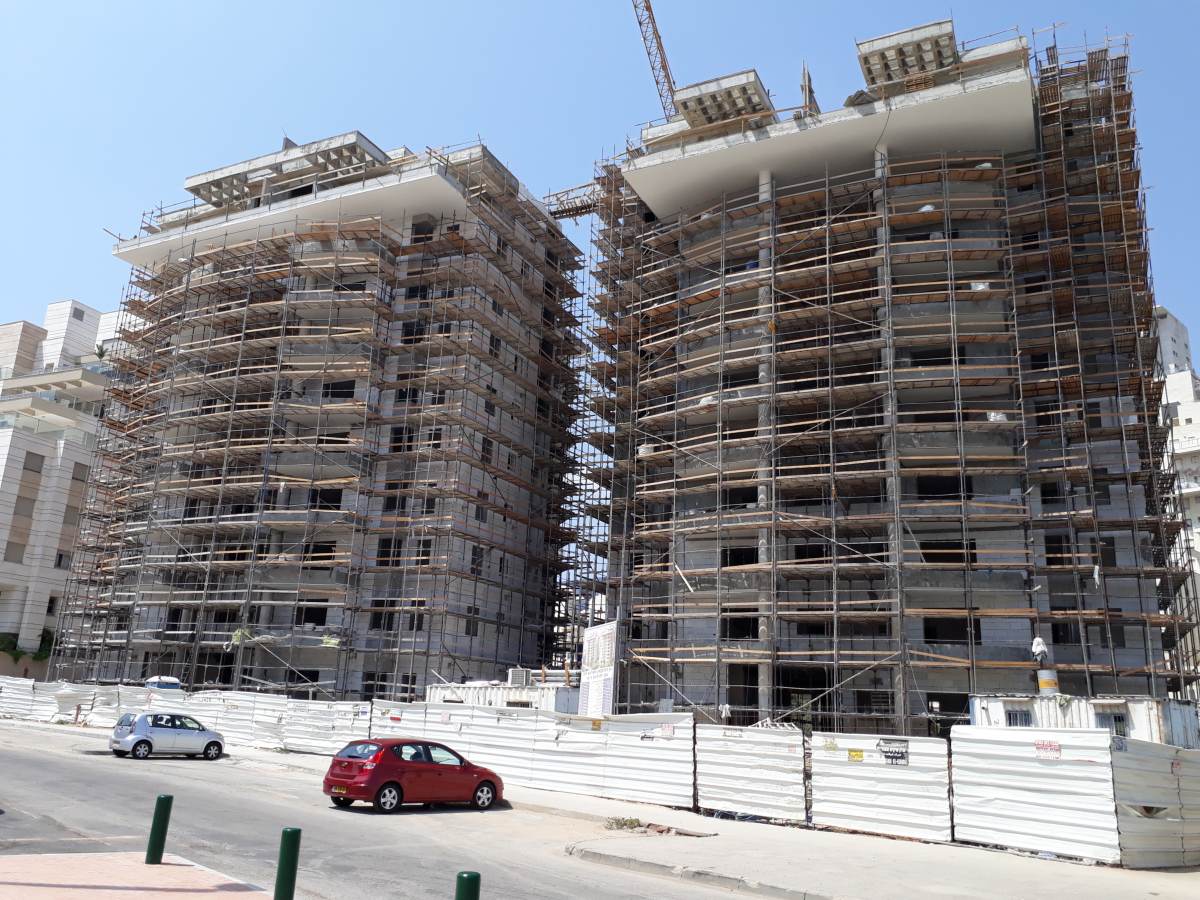 Halomot Nahalat Rishon LeZion
 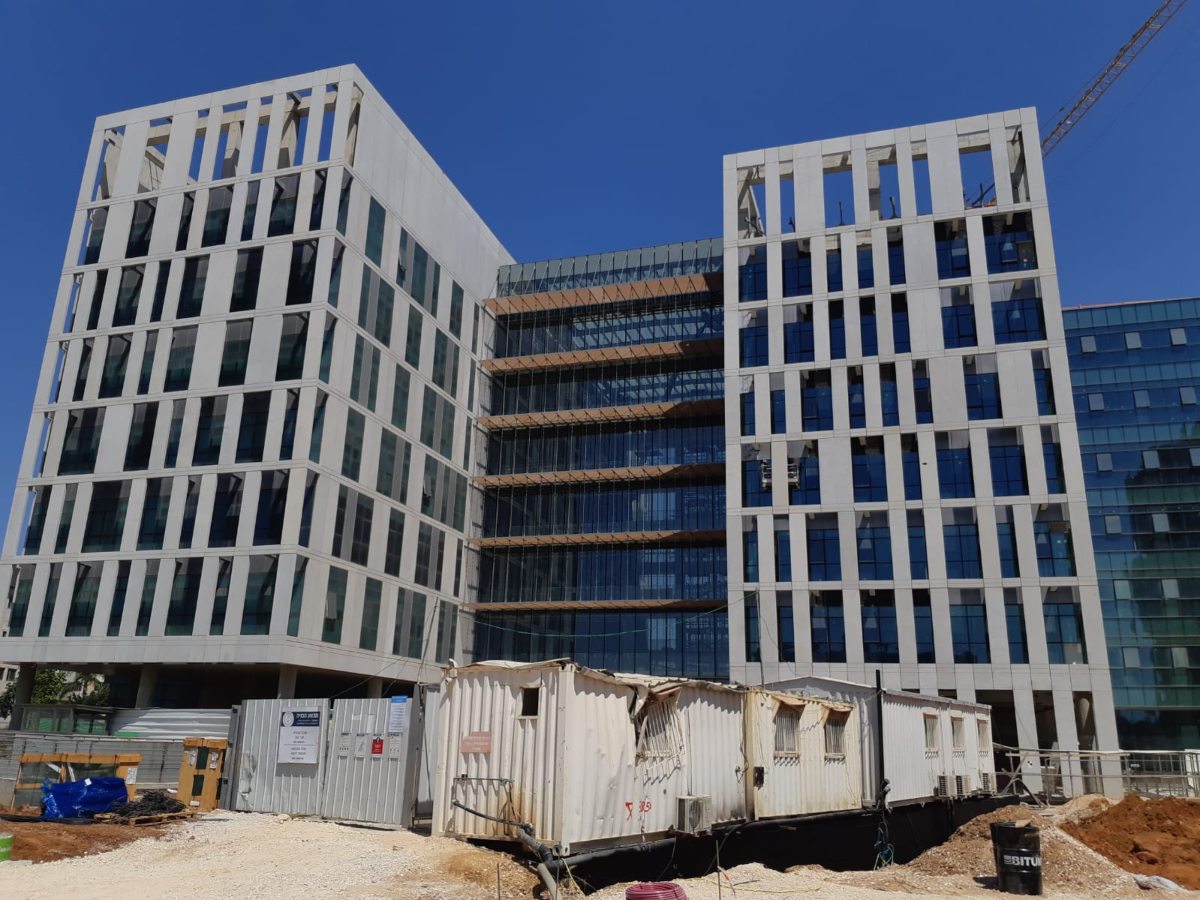 Science Park Rehovot
  Hamashbir Jerusalem
Instructional & field-test videos
Epoxy anchoring adhesive: the complete guide
Everything you need to know about epoxy anchoring adhesive — from the principle, through installation, all the way to the largest projects. This guide was written by the experts at Adit Ltd., the largest chemical-anchor company in Israel.
What is epoxy anchoring adhesive and how does it work?
Epoxy anchoring adhesive is a two-component chemical bonding material — a pure epoxy resin and a hardener — designed for anchoring bolts, steel rebar dowels, threaded rods, dowels and studs into concrete, stone, brick and other building materials.
When the two components are mixed, a chemical reaction (polymerization) begins that creates an extremely strong three-dimensional structure which bonds to the base material with exceptional strength. Unlike mechanical anchors that rely on friction alone, materials such as ADIT CHEMFIX100 create a true chemical bond with the walls of the borehole — providing far higher resistance to tensile, shear and vibration forces.
The bonding principle:
The molecules of the pure epoxy adhesive penetrate into the micro-cracks and pores of the base material and, after curing, form an unbreakable barrier between the anchor and the concrete, even under extreme conditions.
Installation stages of epoxy adhesive (for bolts and rebar)
- Drilling — drill a hole to the diameter and depth defined in the manufacturer’s table, according to the diameter of the threaded rod or steel rebar. Hammer drilling is recommended; if diamond drilling is used, be sure to achieve the required roughening.
- Cleaning the hole — use a steel brush and blow out the dust. This is a critical step for optimal bonding of the epoxy to the concrete!
- Injecting the epoxy — fill the hole from the bottom upwards (about 2/3 of the depth) using a dedicated dispenser or gun and a static mixer.
- Inserting the anchor / rebar — insert the threaded rod or steel rebar with a slight rotating motion to ensure perfect coating of the material and removal of air bubbles.
- Curing time — wait according to the ambient temperature before applying load (see the FAQ for details).
Advantages of advanced pure epoxy (CHEMFIX100)
Several types of chemical anchoring systems exist on the market: polyester, vinylester and epoxy anchors. Advanced pure epoxy — such as ADIT CHEMFIX100 — offers a unique combination of advantages that cannot be ignored in demanding projects:
- Maximum strength: tensile and shear load values significantly higher than polyester and vinylester systems. It is the number-one choice for extreme loads.
- Moisture and chemical resistance: pure epoxy is not affected by water, oils, fuels or acids. It is perfect for industrial environments and even underwater projects.
- Temperature stability: retains its properties over a very wide temperature range.
- No creep over time: unlike polyester, epoxy does not “creep” (shrinkage) under prolonged load — a critical property for connections at the bases of vibrating machinery and in bridges.
- Suitable for weak or cracked concrete: because the epoxy does not create expansion pressure (as a mechanical anchor does) and distributes the forces over a large surface area, it is especially effective when working close to edges and in low-quality concrete.
- ETA approvals and standards: meets the requirements of ETAG001 and is recognized by structural engineers in official projects in Israel and worldwide.
Experience from recent years’ projects
ADIT CHEMFIX100 epoxy has proven itself in the field in the most complex and demanding projects in Israel and worldwide. The combination of strong chemical grip, resistance to extreme environments and compliance with standards has made it the engineers’ choice in projects such as:
- Ports and coastal infrastructure
- Tunnels and bridges
- High-rise buildings and shopping malls
- Multi-storey car parks
- Factories and industrial facilities
Underwater anchoring
Anchoring bolts and rods in underwater structures is one of the toughest challenges in the field — water pressure, salinity and constant vibration. The performance of CHEMFIX100 in these environments has been proven time and again in port projects in Israel and abroad, confirming that this is a first-class product.
Why choose Adit Ltd. for your epoxy adhesive?
In a market flooded with products from every direction, choosing the right supplier is no less critical than choosing the product itself. Adit Ltd. — the largest company in the field in Israel today — offers a complete package:
- In-depth engineering consulting: engineers who help with load calculations, regulatory compliance and selecting the right product for rebar and rods.
- Field training: agents with over 10 years of experience come to the site and provide instruction on safe, standard-compliant installation of epoxy adhesive.
- Quality and reliability: all products undergo rigorous quality control and are certified to international standards (ETA).
- Competitive price: an unbeatable price-to-performance ratio, even for huge projects.
- Available immediate stock: fast supply to any point in the country from the largest warehouse in Israel.
Frequently asked questions
What is the difference between epoxy adhesive and a polyester chemical anchor?
What is special about epoxy adhesive for rebar in concrete?
How long does the epoxy adhesive take to harden before it can be loaded?
Can epoxy adhesive be used in wet concrete or underwater?
What is the correct hole size for epoxy adhesive when anchoring rods and rebar?
Is epoxy adhesive suitable for cracked concrete?
Do you need to clean the hole before injecting epoxy for rebar?
Do you need to inject a lot of epoxy adhesive into the hole?
What are Shock loads and why do they matter?
What is the difference between Chemfix100 and Chemfix200?
Is it suitable for rebar?
What is the green certification?
Planning a project with heavy loads? Tell us the anchoring type, rebar diameter and load — our engineers will run the calculation and send you the ETA data.