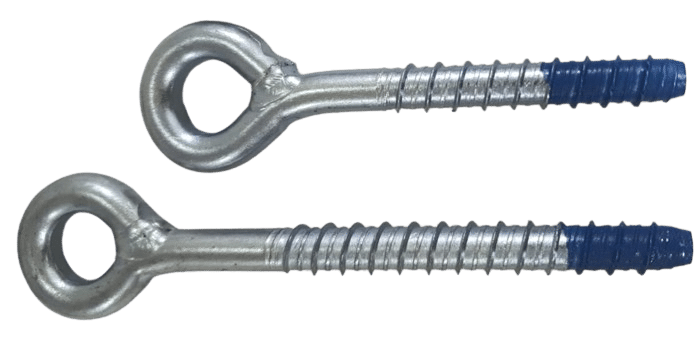
BTeye2 Eye-Bolt Concrete Screw
Direct-screw concrete eye bolt — a safety anchor point for work at height and rappelling. The only eye bolt in Israel with an EN795 certification approved as a work-at-height anchor point.
Technical specification
| Property | BTeye2 — direct-screw concrete eye bolt |
|---|---|
| Product type | Direct-screw bolt with a built-in eye — safety anchor point for work at height and abseiling/rappelling |
| Technology | Direct-screw concrete bolt |
| Eye diameter | 12 mm |
| Sizes | 8×55, 8×75, 12×100, 12×140 (diameter × total length, mm) |
| Standards | EN 795 Type A (BTeye2 12×100) · ISOTOP pull-out testing |
| Certification | EN 795:1996 Class A1 · SATRA UKAS 0248 |
| Dynamic loads | Yes — fall arrest |
| Reusable | Yes — up to 5 uses in work at height |
| Nrk failure load (12×140) | 96 kN — ISOTOP pull-out test to failure |
Downloads
Proven in the field — selected projects in Israel
The BTeye2 direct-screw eye bolt is installed on hundreds of projects across Israel.
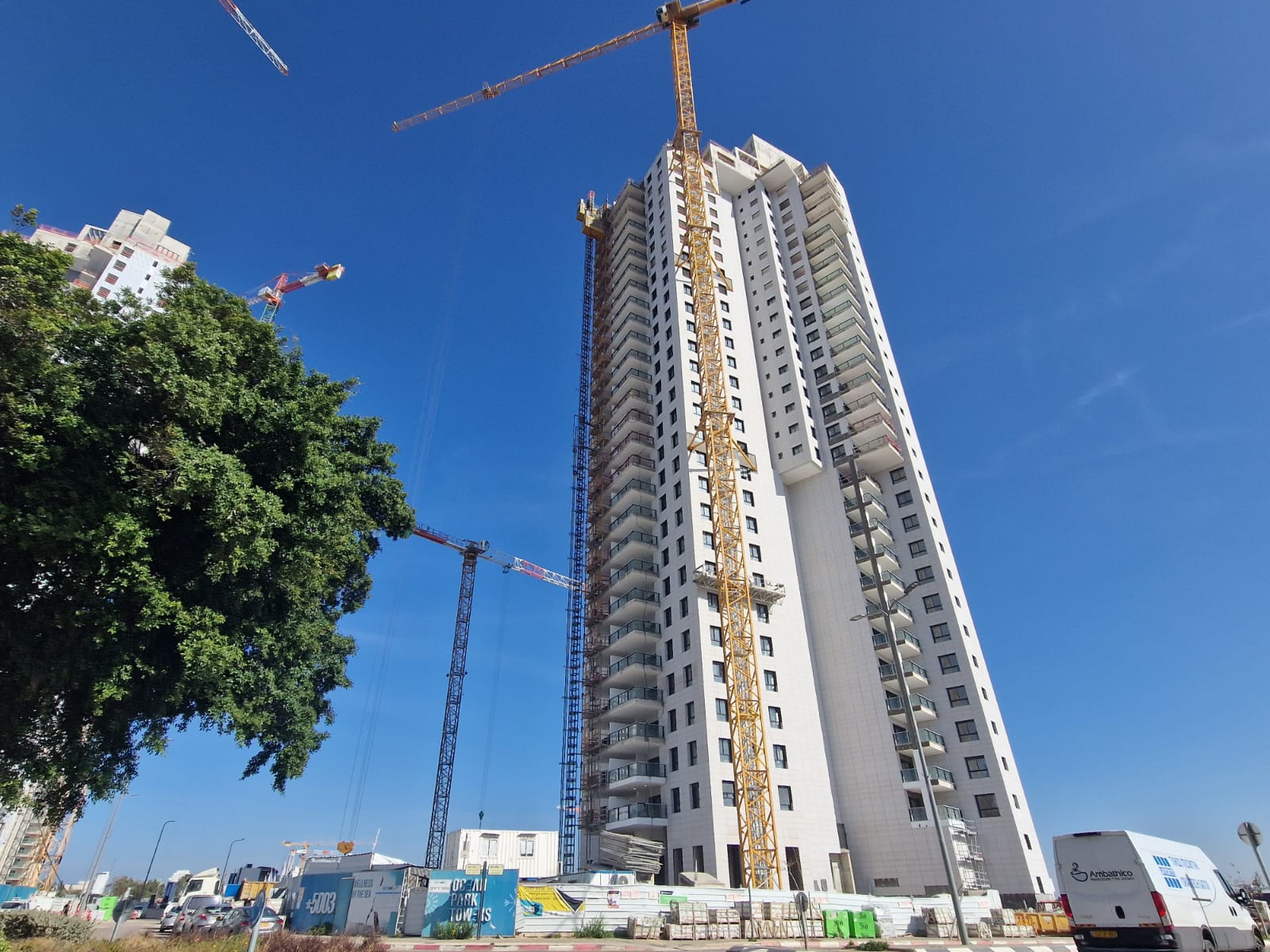 ACR Tower Netanya
 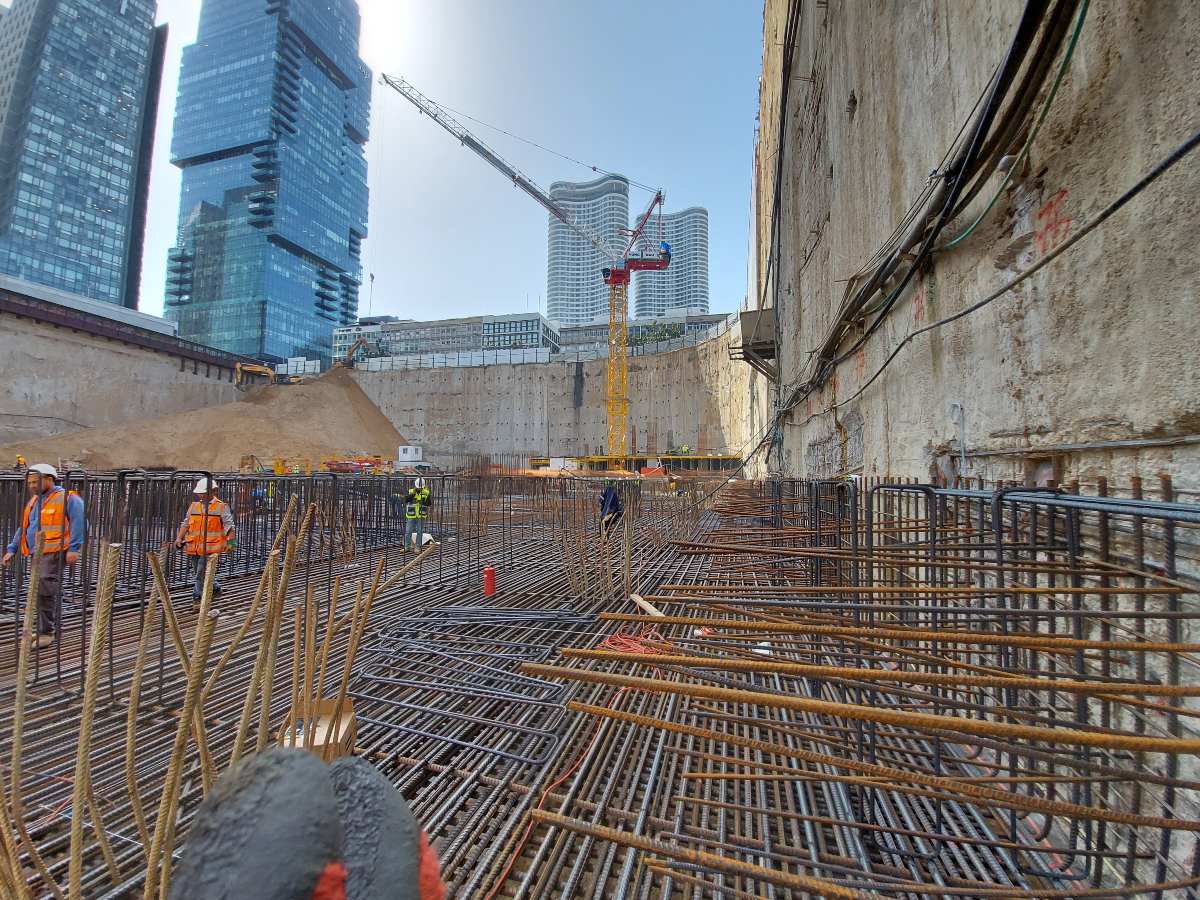 Landmark Da Vinci
 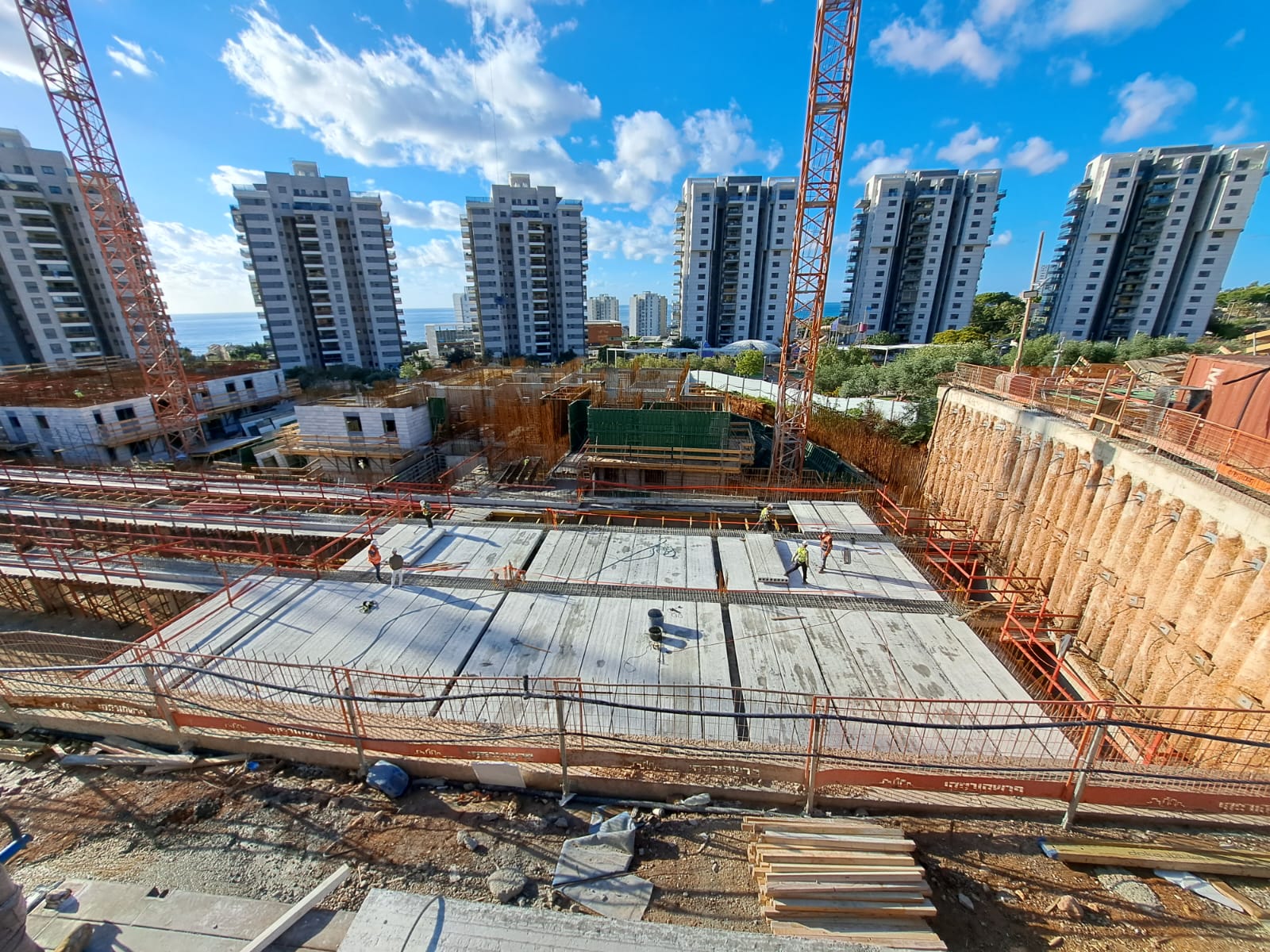 Parshkowsky Haifa
 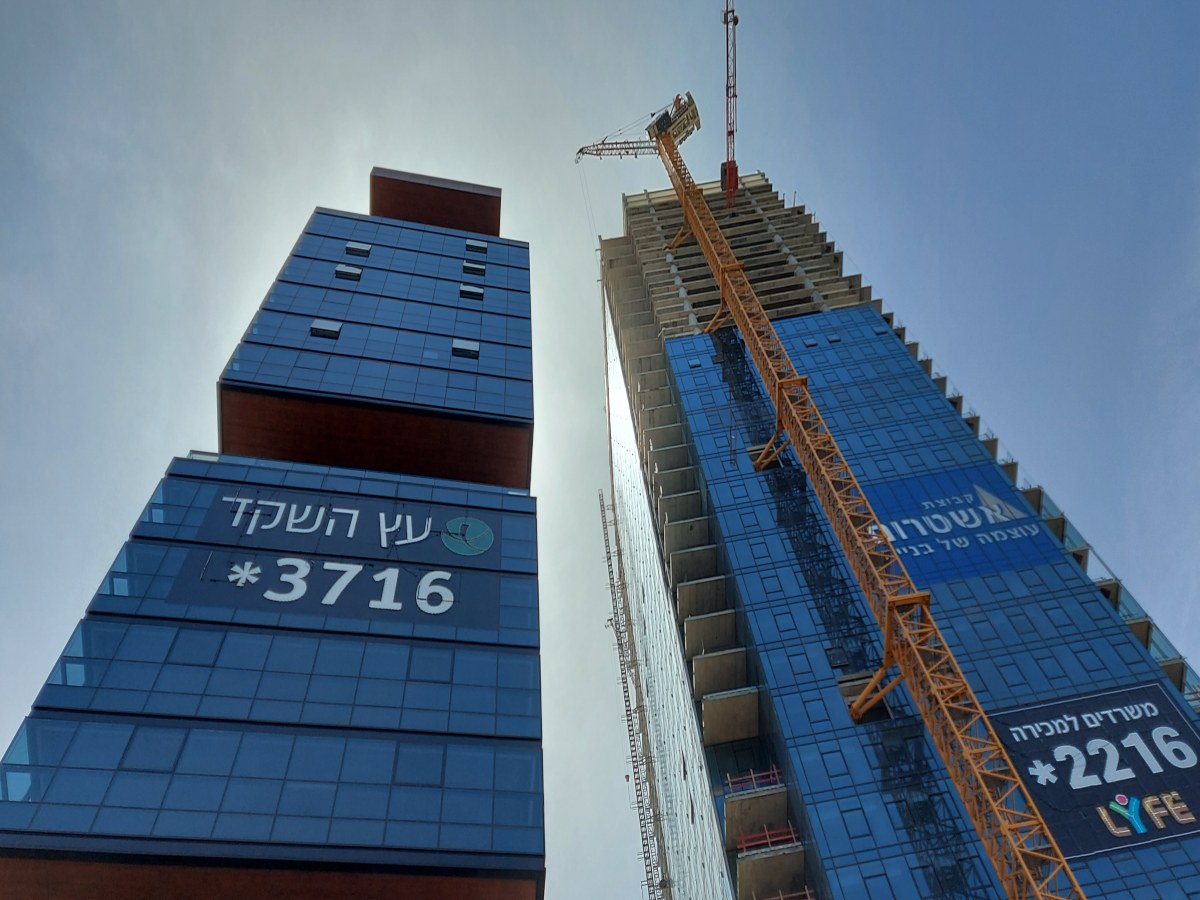 LYFE
LYFE  Alfa Tower
 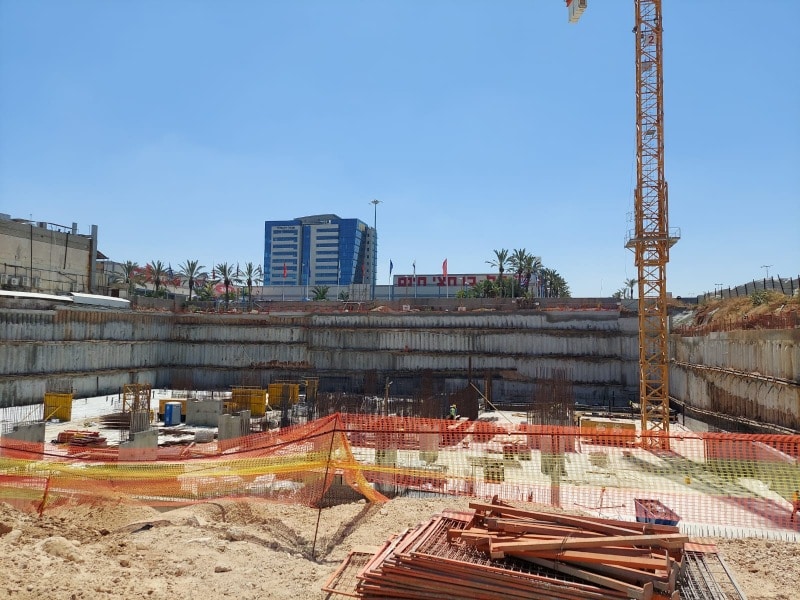 Besser Rishonim
 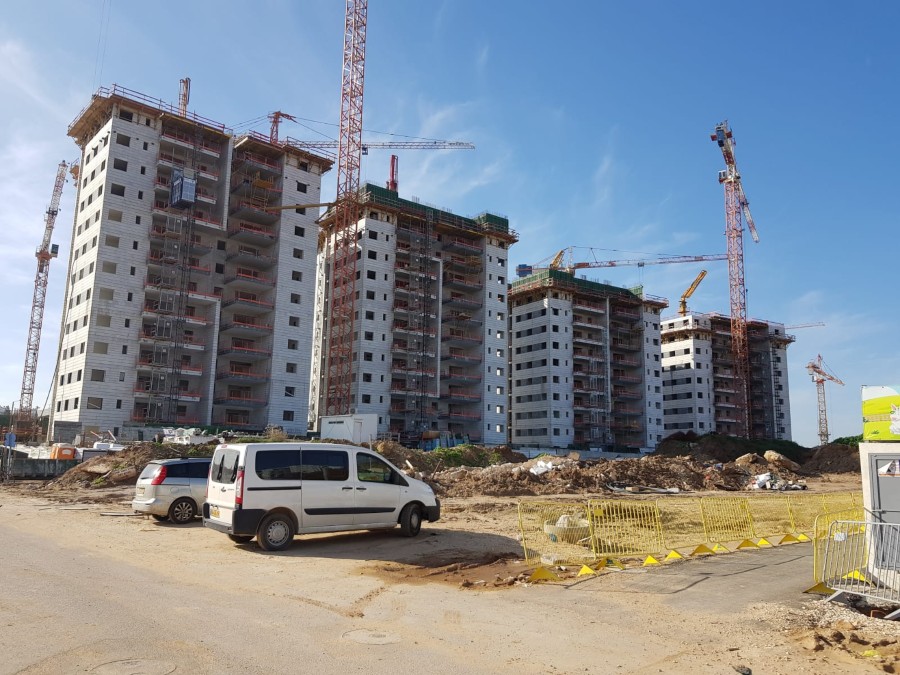 New Neve Doron
  Manhattan Netivot
 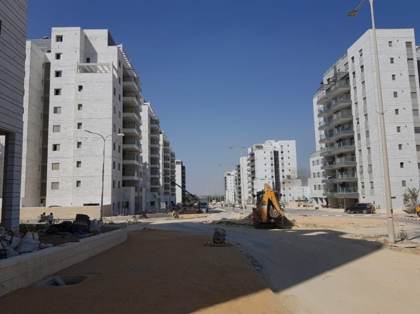 Sigalit Neighborhood Beer Sheva
  Touch Beer Sheva
 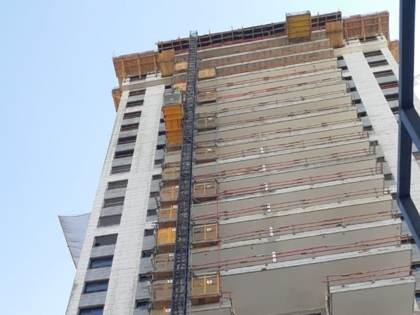 Sivan Bitzua Netanya
 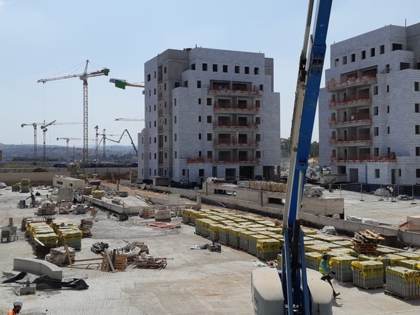 Savyonei Shoham
 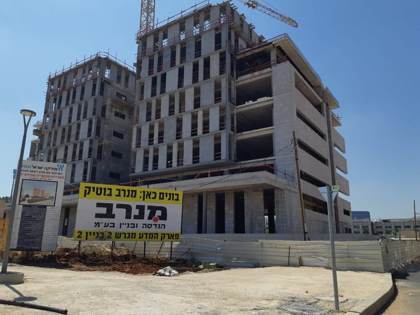 Science Park Nes Tziona
 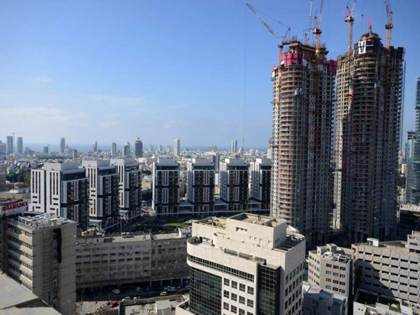 Youth Towers Tel Aviv
 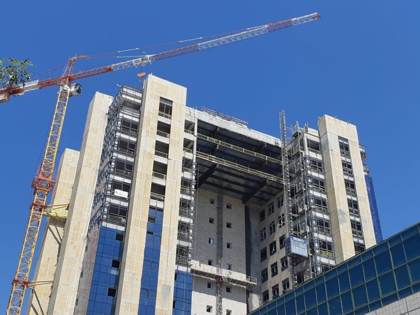 Red Binat Jerusalem
 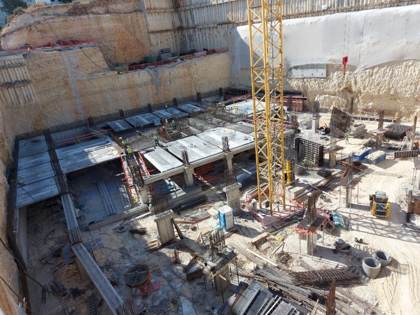 Ram Tower Jerusalem
 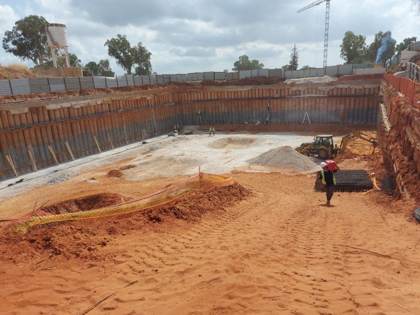 Narcissim Rishon-Le-Tzion
 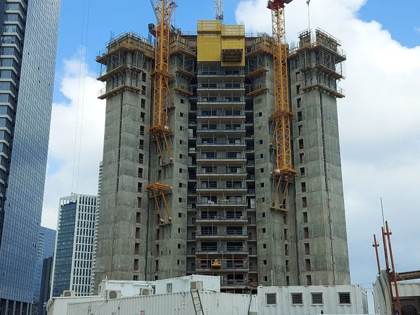 Dov Fridman Givatayim
 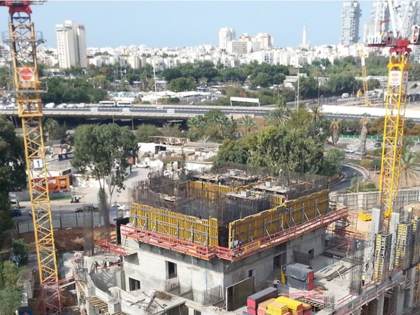 Shahar Tower Givatayim
 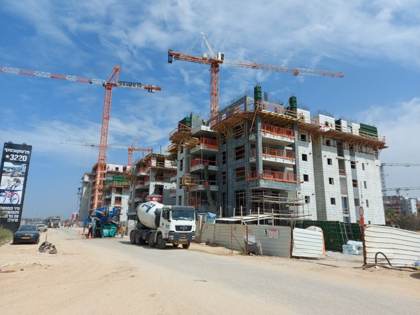 Parshkowsky Herzliya
 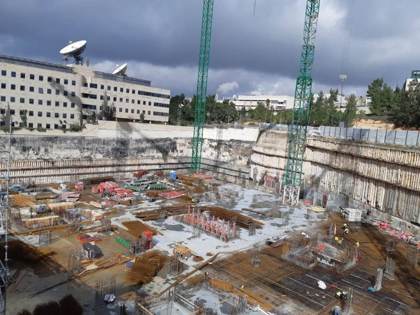 Mobileye
 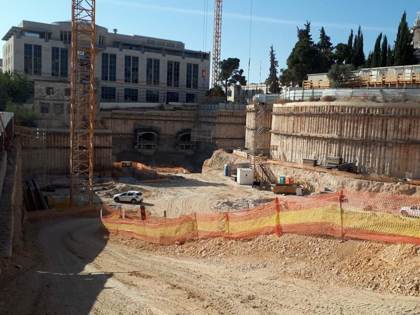 Bezalel Jerusalem
 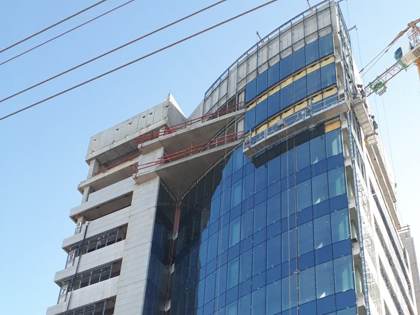 HaHagana St. Rishon LeZion
 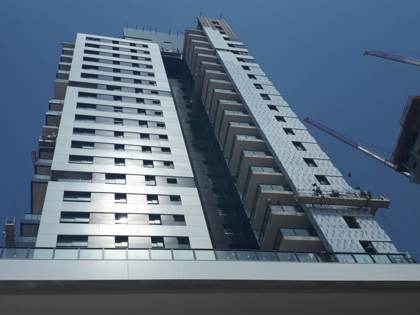 Electra Al HaYam Bat Yam
 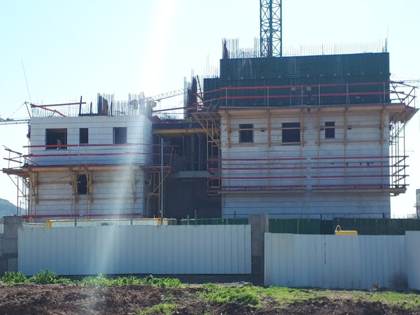 Vilar Towers
 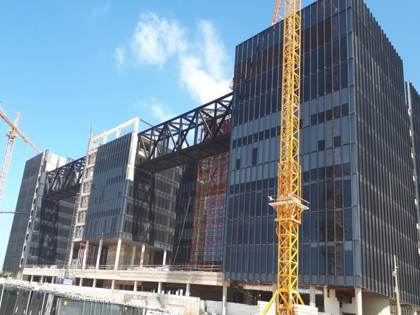 Microsoft Herzliya
 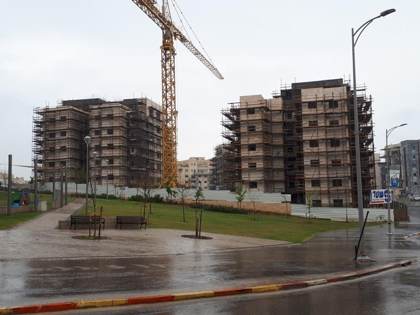 Harish Stern
 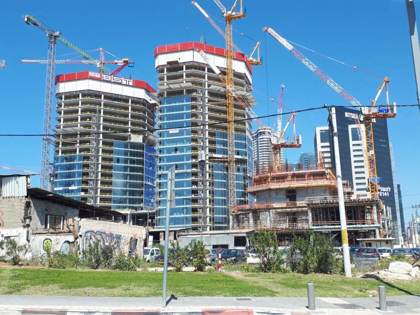 Rubinstein Towers
 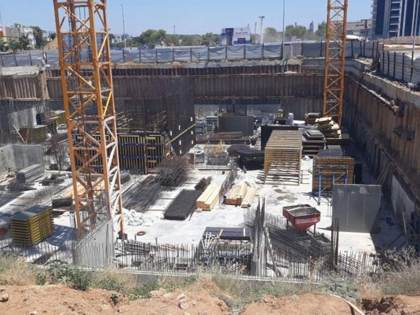 Sea Park Bat Yam
 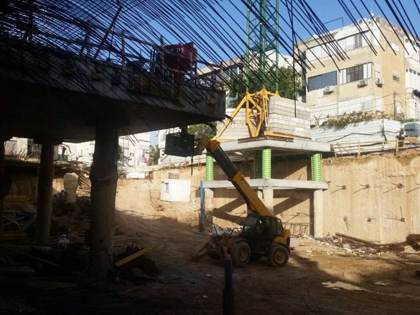 Assuta Tel Aviv
Instructional & field-test videos
Work-at-height anchoring with BTeye2: the complete guide
In every job at height — external walls, roofs, balconies, rappelling and even maintenance work — the anchor point is the worker’s first and last line of defence. The BTeye2 concrete bolts by Adit Ltd. are a work-at-height anchor certified to the European standard EN 795, tested and passed under SATRA test conditions (a UKAS-accredited British institute) and in pull-out tests by ISOTOP Ltd. in Israel.
The BTeye2 safety anchor is a concrete bolt with an eye loop (Eye Bolt) designed for fixing into concrete. It serves as a rappelling anchor, as a permanent anchor point for a single person, and as part of a lifeline system for up to 3 people. The bolt comes in two main sizes: 12×100 and 12×140 (diameter × total length, in mm).
Important: The bolt must be installed on an approved Adit Ltd. bracket (or another approved bracket). The installation date must be recorded on the bracket and an annual inspection performed. The bolt is intended for up to 5 uses in work at height.
Approvals & standards — an EN795-certified anchor
BTeye2 12×100 is an EN795-certified anchor, Class A Type A. The tests were carried out by SATRA Technology Centre in Britain — a UKAS-accredited institute (number 0248), one of the most recognised testing institutes in the world for work-at-height equipment. All test components passed with a PASS grade.
- EN 795:1996 Class A1 — permanent anchor point for a single person (up to 140 kg).
- SATRA UKAS 0248 — EN 795:2012 Type A; passed all test components.
- Fall-arrest test — 100 kg mass dropped 4 m (9 kN) — arrested successfully.
- Static load test — 12 kN held for 3 minutes without release.
- Corrosion resistance — ISO 9227:2017, 24 hours neutral salt spray — PASS.
- EN363 compatibility — use with EN363-compliant personal protective equipment.
SATRA report SPC2001753 | Report 38161/1
Carried out: 25–27 March 2024 | Published: 28 March 2024
| Standard clause | Test component | Result | PASS/FAIL |
|---|---|---|---|
| 4.2.1 | Corrosion resistance (24-hour salt spray) | Light white film on the thread — no base corrosion | PASS |
| 4.3 | Design & anthropometry — no sharpness/teeth | No sharp edges or teeth | PASS |
| 4.4.1.2 | Dynamic fall-arrest test (100 kg, 4 m) | Mass arrested; 300 kg held for 3 minutes | PASS |
| 4.4.1.3 | Static load test (12 kN, 3 minutes) | 12 kN held for 3 minutes without release | PASS |
Mandatory labelling per EN365 — what must appear at the anchor point
Beyond meeting the requirements of EN795 for the bolt itself, EN365 defines which information items must appear on an identification label beside every work-at-height anchor point. In practice, labelling is one of the least observed stages in the field — even though it is an integral part of equipment conformity and of the legal liability of both the installer and the client.
Per EN365, the label attached to the anchor point must show, among other things: the manufacturer’s name, the model/product marking, the year of manufacture, a serial/batch number, a reference to the relevant standards (such as EN795 and EN363), a limit on the number of users and the maximum load, as well as installation and periodic-inspection instructions. A label that does not include all of these details does not meet the standard’s requirements, even if the bolt itself is EN795-approved.
It is important to ensure that the label is durable, legible and permanent on the bracket — not only at the moment of installation, but throughout the entire service life of the anchor point. A faded, missing or partial label impairs the ability to identify the equipment, its installation date and its history, and may conflict with safety and conformity requirements during an inspection or an event.
For full details on all the clauses required in labelling per EN365, see the dedicated article on the Adit website: Labelling required per EN365 for an EN795 work-at-height anchor point.
Pull-out test results — ISOTOP Ltd.
The pull-out tests were carried out by ISOTOP Ltd. (anchors department) on the “Anchor pull-out for Megad Ltd.” project, HaRoeh Street, Ramat Gan. The tests were performed to failure, on a concrete wall (ground floor, prototype wall), per a technical specification requirement. Equipment: a RACH-202 hydraulic jack with a FLUKE digital pressure gauge.
BTeye2 12×100 — embedment depth 80 mm (report LA23000000231296)
| Sample | Pull-out force (ton) | Pull-out force (kN) | Pull-out force (bar) | Failure location |
|---|---|---|---|---|
| 1 | 5.85 | 57.40 | 175.6 | Crack in the concrete around the bolt — test stopped |
| 2 | 6.34 | 62.17 | 190.2 | Crack in the concrete around the bolt — test stopped |
| 3 | 5.36 | 52.56 | 160.8 | Crack in the concrete around the bolt — test stopped |
* Failure in the concrete (not in the bolt itself) — an indicator of the bolt’s high strength relative to the substrate.
BTeye2 12×140 — embedment depth 110 mm (report LA23000000231298)
| Sample | Pull-out force (ton) | Pull-out force (kN) | Pull-out force (bar) | Failure location |
|---|---|---|---|---|
| 1 | 9.67 | 94.79 | 290.0 | Bolt broke at the eye weld |
| 2 | 9.67 | 94.86 | 290.2 | Bolt broke at the eye weld |
| 3 | 10.48 | 102.80 | 314.5 | Bolt broke at the eye weld |
Interpretation of results: In the 12×140 version, failure occurred at the eye weld point at forces higher than 94 kN — far above the EN795 requirement of 12 kN. This is independent confirmation of the product’s high engineering strength.
Technical specification — BTeye2, all sizes
Bolt dimensions
| Item description | Cat. no. | Bolt diameter d₁ (mm) | Drill diameter d₀ (mm) | Eye diameter eₛ (mm) | Total length L (mm) | Thread length Lₜ (mm) |
|---|---|---|---|---|---|---|
| BTEye2 8/55 | TFY08055 | 8 | 8 | 16 | 55 | 50 |
| BTEye2 8/75 | TFY08075 | 8 | 8 | 16 | 75 | 70 |
| BTEye2 12/100 | 27312 | 12 | 12 | 21.6 | 100 | 80 |
| BTEye2 12/140 | 27344 | 12 | 12 | 21.6 | 140 | 110 |
Pull-out loads — Nrk (failure) and Nrec (recommended)
| Version | Test method | Concrete type | Nrk failure load | Nrec recommended load |
|---|---|---|---|---|
| BTeye2 12×100 | Per ISOTOP test | Non-cracked concrete | 53 kN | 21.9 kN |
| BTeye2 12×140 | Per ISOTOP test | Non-cracked concrete | 96 kN | — |
| BTeye2 12×100/140 | Per European standard ETA | Non-cracked concrete | 46 kN | 21.9 kN |
| BTeye2 12×100/140 | Per European standard ETA | Cracked concrete | 32.2 kN | 15.3 kN |
| BTeye2 8×75 | Per European standard ETA | Non-cracked concrete | 21.6 kN | 10.3 kN |
| BTeye2 8×75 | Per European standard ETA | Cracked concrete | 15.1 kN | 7.2 kN |
Note: The bolt’s pull-out capacity varies according to the installation depth (8–14 cm) and the quality of the concrete. The eye head must always be brought flush against the background material. If the bolt’s eye head is not flush against the concrete wall, consult the responsible designer.
Why choose BTeye2 for work-at-height anchoring?
- International EN 795 standard: one of the few concrete anchors in Israel with a European EN 795 Type A certificate from the UKAS-accredited SATRA. The basis for any work-at-height permit.
- Proven pull-out strength: pull-out force of up to 10.48 tons (102.8 kN) in tests to failure — 8 times the standard’s minimum requirement. An enormous safety margin.
- Simple lifeline interface: two installation options for a lifeline — shear (option 1) and pull-out (option 2). Up to 3 people simultaneously when installed per the instructions.
- Permanent fixing: a permanent anchor point in a wall, roof or ceiling — not dependent on repeated installation. A controlled life cycle with a date and documentation on the bracket.
- Cold galvanising 5–8 micron: a quality cold-galvanised coating for durability in an external environment. Annual corrosion inspection is required to maximise service life.
- Two sizes in the field: 12×100 and 12×140 are suitable for lifeline installation (up to 3 people) and a single anchor, according to the embedment depth required on the project.
Correct installation of a work-at-height anchor — step by step
Incorrect installation of a work-at-height anchor can cause catastrophic failure. Follow the guidelines below meticulously:
- Drill the hole — drill a 12 mm diameter hole for a 12 mm bolt. Minimum depth: 8 cm for a single anchor, 12 cm (120 mm) for a lifeline. Minimum distance from the concrete edge: 10 cm.
- Clean the hole — clean the drilling dust thoroughly (vacuum and blow out). Accumulated dust will prevent reaching the required depth and will impair the holding force.
- Drive the bolt — screw the bolt in until the eye head is flush and perpendicular to the concrete face. Do not continue screwing after the head is flush against the concrete. In a ceiling — the entire threaded area must be inside the concrete.
- Tighten and finish — apply shear forces only (the plane of the bolt). For a lifeline — install the anchor in a perpendicular direction. Keep the eye as flush to the substrate as possible to prevent bending.
- Document on the bracket — record the installation date and the serial number on the bracket. Perform an annual inspection. Do not use the bolt more than 5 times.
What is allowed
- Install with an approved Adit bracket.
- Installation depth of 8 cm and above.
- 10 cm distance from the concrete edge.
- Keep the eye head flush to the concrete.
- Annual corrosion inspection.
- Replace a damaged bolt immediately.
- Supervision by a professional inspector.
What is forbidden
- Installing in concrete weaker than B20.
- Installing in hollow blocks / Ytong.
- Continuing to screw after the head is flush.
- Removing a bolt and reinserting it into the same hole.
- More than 5 uses of the same bolt.
- Using it if there is visible damage.
- Rappelling with a bent eye head.
Warning: If the bolt keeps rotating in the concrete at the end of installation — remove it and do not use it. Consult an Adit engineer: +972-54-7976110.
Frequently asked questions
What is work-at-height anchoring and when is it mandatory?
Work-at-height anchoring is a mechanical fixing point to which fall-protection equipment (harness, lifeline, safety belt) is connected. Per Israeli safety-organisation regulations, in any work at height above 2 m (and certain cases from 1.8 m) the worker must be secured to a safety anchor point. The anchor point must meet: a minimum static load of 12 kN (about 1,200 kg); withstanding dynamic fall arrest per EN795 / EN363; documentation, supervision and an installation date. The BTeye2 concrete bolt meets all these requirements and holds an EN795 Class A1 certificate.
What is the difference between BTeye2 12×100 and 12×140? Which to choose?
BTeye2 12×100 (total length 100 mm, embedment depth 80 mm) is the standard version for a single-person safety anchor up to 140 kg — certified EN795 Class A1. Suitable for most rappelling applications, roof and canopy work, and connection to personal protective equipment. BTeye2 12×140 (total length 140 mm, embedment depth 110 mm) holds far higher pull-out loads (up to 10.48 tons in testing) and is suitable, together with BTeye2 12×100, for installing a lifeline for up to 3 people at a minimum installation depth of 120 mm (12 cm) in sound, intact concrete. If in doubt, contact an Adit engineer: +972-54-7976110.
Can BTeye2 be used for rappelling?
Yes. BTeye2 is an approved rappelling anchor. It is intended for connecting EN363-compliant personal protective equipment — including rappelling gear, fall-arrest harnesses and descenders. Always connect to the bolt eye through an approved carabiner/shackle; verify that the bolt is installed on an approved Adit bracket; the bolt is intended for a single person (up to 140 kg), not for two rappellers simultaneously; visually inspect the bolt before every use.
What is the EN795 standard and why is it important for a safety anchor?
EN 795 is the European standard for anchor devices for personal fall-protection equipment. It sets strict requirements: Class A (Type A) is a permanent anchor point mounted on a structure — such as BTeye2; withstanding a static load of at least 12 kN for 3 minutes; arresting a 100 kg mass in a free fall of 4 m (force 9 kN); passing corrosion and material-strength tests. The BTeye2 12×100 bolt passed all components of the standard at SATRA and received a full PASS grade. A company or contractor installing an EN795-certified anchor is protected legally and in terms of liability.
How long does the BTeye2 bolt stay in the field? When is it replaced?
There is no “automatic” service life — the bolt must be inspected at least once a year for corrosion. However, there are reasons for immediate replacement: use in 5 or more work-at-height jobs (manufacturer limit); visible damage to the bolt or the eye; reduced thread thickness or difficulty screwing (wear); advanced corrosion on the bolt surface; any fall / fall-arrest event that activated the bolt. After a fall-arrest event, the bolt and bracket must be sent for inspection by a certified engineer before further use.
Can BTeye2 be installed in a stone wall, in blocks or in lightweight concrete?
No. BTeye2 is intended solely for cast concrete of strength B20 and above. It must not be installed in: hollow blocks (black block, thermolite, Lego block); lightweight concrete (Ytong, Porix); natural stone wall; heavily cracked concrete without engineer consultation; gypsum, wood, metal (without consultation). In these materials the bolt will not develop correctly and will fail at forces far lower than required. Consult an Adit engineer before any installation that is not in cast concrete.
What is the difference between a single-person safety anchor and a lifeline?
Single-person safety anchor (EN795 Class A): a single anchor point to which only one worker is connected. Every BTeye2 12×100 is such an anchor. Suitable for one-off jobs, access, cleaning, maintenance. Lifeline: a system of two anchors and a horizontal/vertical connector along which several workers can move (up to 3 with BTeye2). At least two BTeye2 12×140 or 12×100 bolts are required, at a minimum installation depth of 120 mm (12 cm), with two deployment methods (shear/pull-out). Suitable for prolonged work on roofs, external walls and tall structures.
What concrete strength is required to install BTeye2?
The concrete must be of strength B20 at least (C20/25 in European marking). Concrete weaker than B20 requires special approval from an Adit engineer. In addition: the concrete must be stable, with no settlement or swelling; do not install in broken, crumbling or very wet concrete; in any doubt about the concrete quality, perform a pull-out test on the bolt. The pull-out test is performed by certified companies such as ISOTOP Ltd. and confirms the bolt’s performance under the specific field conditions.
Can BTeye2 be pulled out and removed after installation?
The bolt can be removed by unscrewing — unlike mechanical wedge anchors, the BTeye2 bolt is an ordinary screw bolt that threads into the concrete. It can be extracted. However: do not reinsert it into the same hole (install in a new hole); after removal, inspect the thread before reuse; after a fall event, do not use it again without engineer inspection.
What is an Adit bracket and why does the bolt require it?
The Adit bracket is a fixing plate attached to a wall/ceiling on which the bolt is installed. The bracket fulfils several critical roles: allows recording of a serial number and installation date for control purposes; protects the bolt head from mechanical impact; visually marks the anchor point for workers; includes inspection instructions (3 steps) on its face; enables use with EN363-compliant equipment; carries an identification label per EN365 requirements (manufacturer details, model, standard, maximum load, number of users and usage instructions). Another bracket approved by Adit Ltd. may also be used.
What is the difference between the SATRA test and the ISOTOP pull-out test?
Two different and complementary tests. SATRA (Britain): an EN795 standard test under controlled laboratory conditions. It examines compliance with all clauses of the standard: corrosion, design, dynamic fall arrest and static load. It grants a European “Type A” approval that permits marketing and use throughout the EU. ISOTOP (Israel): a pull-out test to failure under real field conditions, on the specific concrete of the project. It confirms that the bolt meets the requirements of the client’s technical specification in the field concrete. For large and sensitive projects, it is recommended to also perform a field pull-out test in addition to the EN795 certificate.
How many BTeye2 bolts are required for a single job at height?
It depends on the type of use. Single-person safety anchor: one bolt is enough (12×100, EN795 Class A). Only one worker connected. Lifeline for up to 3 people: at least 2 bolts (12×140 or 12×100) — one at each end of the line. A long lifeline may require intermediate anchors every 10–12 m. Rappelling work: at least 2 independent anchor points — a “backup” for every main point. For detailed advice on the number of points required on your project, contact an Adit engineer.
Planning work at height? Tell us the substrate, load and number of users — our engineers will spec the right EN795 anchor and send you the SATRA and ISOTOP test data.