



Self-drilling steel screw
ABE
Self-drilling steel screw is a drunken
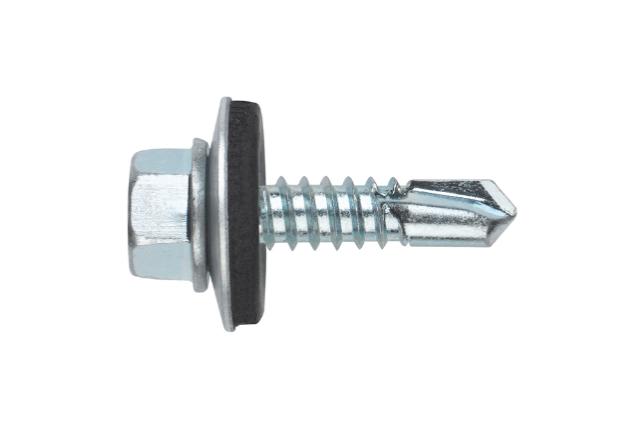

Technical Specification
- Characteristics self-drilling screw to steel Issitary (up to 6 m)
- Material steel SAE J403 1022 with a transmitic treatment
- Standards : DIN 7504K
- Protecting the Corsusia Cold balloon 5-8 microns
- Head by Box
- Installation tool High-speed screwdriver (1000–1800 rpm)
- The option Filed to: EPDM ARVUL
Q1Z ABE
installation guide self-drilling screw is the ABE
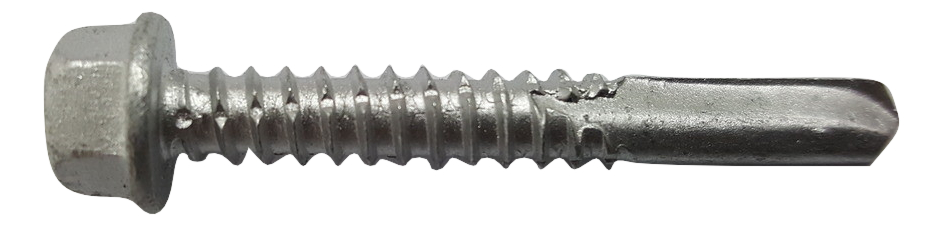
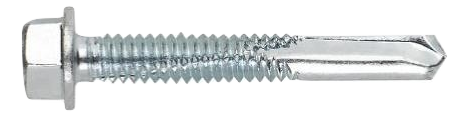
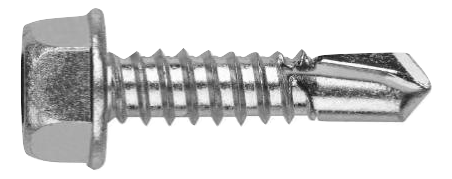
A variety of codified screws from Adit Ltd
![[your-subject]](https://www.adit.org.il/wp-content/uploads/2026/06/BIE-A4.png#9970)
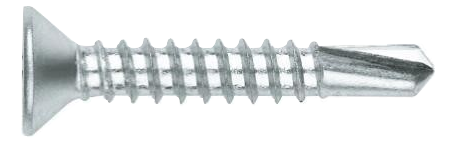
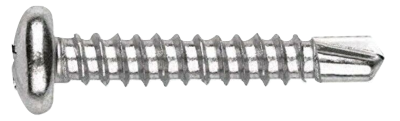
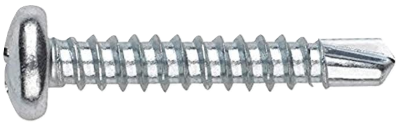
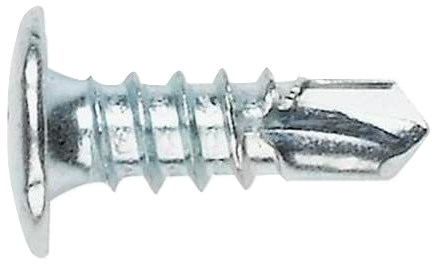


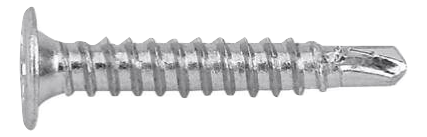
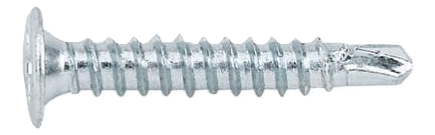
Proved in Area: projects selected in Israel


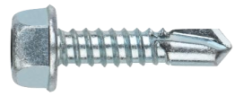
ABE Self-Drilling Screw
The general-purpose hex self-drilling screw – drives straight into steel and aluminium profiles up to 6.5 mm thick, in one pass with no pre-drilling.
Single pass – no pre-drilling
Ø ST 3.5–6.3
DIN 7504-K
EPDM washer option
Files to Download
Full technical data – the load tables for steel and aluminium profiles, drilling speeds, dimensions and catalogue numbers for every diameter – is given in the technical datasheet above.
What is a Self-Drilling Screw?
A self-drilling screw combines a hardened drill point and a fastening thread in a single fastener. The point drills the hole and the thread forms the connection in one continuous operation – no pre-drilling, no separate drill bit, and no plug or resin. The ADIT ABE is the versatile, everyday member of the range: five diameters and a wide length range cover most steel and aluminium fixing jobs on site.
The advantage: one pass instead of drill-then-fasten removes the cost of external drill bits and cuts fixing time by tens of percent – for lower installation cost and faster, safer, more accurate work in the field.
ABE is a direct-threading screw with a hexagonal washer head and a cold-galvanized (zinc-plated) finish, made of carbon steel C1035 and produced to DIN 7504-K. It is supplied in five diameters – ST 3.5, 4.2, 4.8, 5.5 and 6.3 – in lengths from 13 to 240 mm, and drives straight into steel and aluminium profiles up to 6.5 mm thick. An EPDM sealing washer can be added to any length for weather-tight fixings, and the screw is also available in commercial lacquered colours on request. For thicker steel – up to 12 mm – use the heavy-duty AUTO girder screw.
Applications
Steel profiles & sections
General steel-to-steel fastening – purlins, cleats, brackets and secondary steelwork – up to 6.5 mm.
Aluminium profiles
Drives into aluminium as well as steel; the datasheet gives separate load values for each base material.
Insulated & sandwich panels
Fixing insulated panels and cladding for sealed joints in façades and roofing; add an EPDM washer for a weather-tight seal.
Roofing & wall cladding
Profiled metal sheet and cladding fixed to steel purlins and rails.
Sheet-metal & fabrication
HVAC ducting, trims, flashings and general sheet-metal assembly.
Services & supports
Brackets, rails and supports fixed to steel and aluminium structures.
Installation Guide
1 · Mark & position
Mark the entry point with a light tap, and hold the screw perpendicular (90°) to the profile.
2 · Set the speed
Use a high-speed screwdriver – roughly 1000–2500 rpm in steel depending on the diameter (lower for stainless base). Excessive speed can burn the drill point.
3 · Drill through
Let the drill point cut fully through before the thread engages; keep the total thickness within the drill-point length or the screw can break.
4 · Seat & finish
Stop as the screw seats against the profile – do not overtighten. With an EPDM washer, compress until the seal just spreads.
Instruction Video
Proven in the Field
ADIT ABE in selected projects.
Frequently Asked Questions
Do I need to pre-drill before using ABE?
No. ABE is a self-drilling screw – its hardened drill point cuts through the material and the thread forms the fastening in one pass. This removes the separate drilling step and the cost of external drill bits, and speeds up installation significantly.
What diameters and lengths does ABE come in?
ABE is supplied in five diameters – ST 3.5, 4.2, 4.8, 5.5 and 6.3 – in lengths from 13 to 240 mm (the longer lengths in the larger diameters). The datasheet lists the full catalogue of sizes.
How thick a profile can ABE drill and fasten?
ABE drills and fastens steel and aluminium profiles up to 6.5 mm thick in a single pass. For thicker steel – up to 12 mm – use the heavy-duty AUTO girder screw.
Can ABE be used in aluminium?
Yes. ABE drives into both steel and aluminium profiles, and the datasheet lists separate load values for each. Where a fully stainless fastener is needed for aluminium in corrosive conditions, use ABEI (A2 stainless).
What is the difference between ABE, ABEI and BIE?
ABE is carbon steel (C1035) with a cold-galvanized finish, for standard use. ABEI is A2 stainless (SS304) for aluminium and corrosion resistance. BIE / BIE A4 are bi-metal stainless screws (SS304 / SS316) that drill steel yet resist corrosion – for coastal and marine environments.
What is the difference between Nrk and Nrd?
Nrk is the characteristic failure load – the load at which the connection physically fails in destructive testing. Nrd is the design load the engineer actually uses: Nrk divided by the safety factors required by the relevant standard. Always design with Nrd, not Nrk. The datasheet lists Nrk, Nrd and recommended (Nrec) values for both steel and aluminium.
Can the screw be reused?
A self-drilling screw forms its own thread as it is driven, so it is intended as a permanent fastening. Removing and re-driving it in the same hole is not recommended, because the formed thread and the drilled hole will not reliably re-engage.