

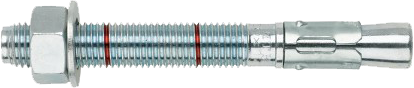
MTH Wedge Anchor
Wedge anchor for uncracked concrete with European ETA7 approval — a wide range of embedment depths and very high pull-out strength.
The Adit wedge anchor family
Choose the right wedge anchor for your concrete condition, environment and approval requirements.
Technical specification
| Property | MTH — wedge anchor for uncracked concrete |
|---|---|
| Technology | Wedge anchor (mechanical expansion) |
| Corrosion protection | Zinc electroplated (cold galvanized) |
| Cracked concrete | No |
| Seismic | No |
| Loads | Static & quasi-static (including wind loads) |
| Service life approval | 50 years |
| Standards | European ETA7 approval for uncracked concrete |
Downloads
Proven in the field — selected projects in Israel
The ADIT MTH wedge anchor is installed in hundreds of projects across Israel.
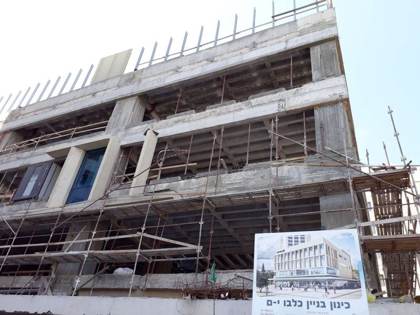 HaMashbir, Jerusalem
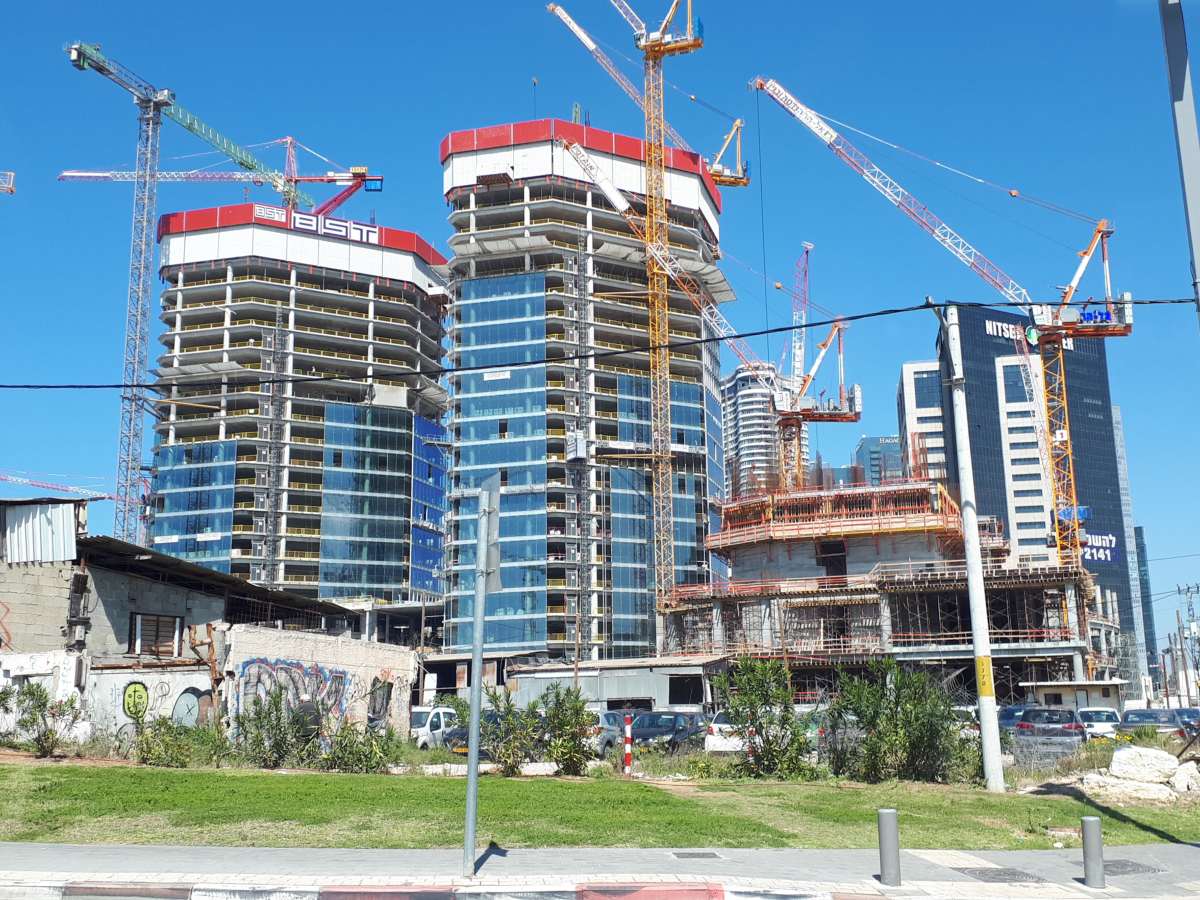 Rubinstein Towers Tel Aviv
 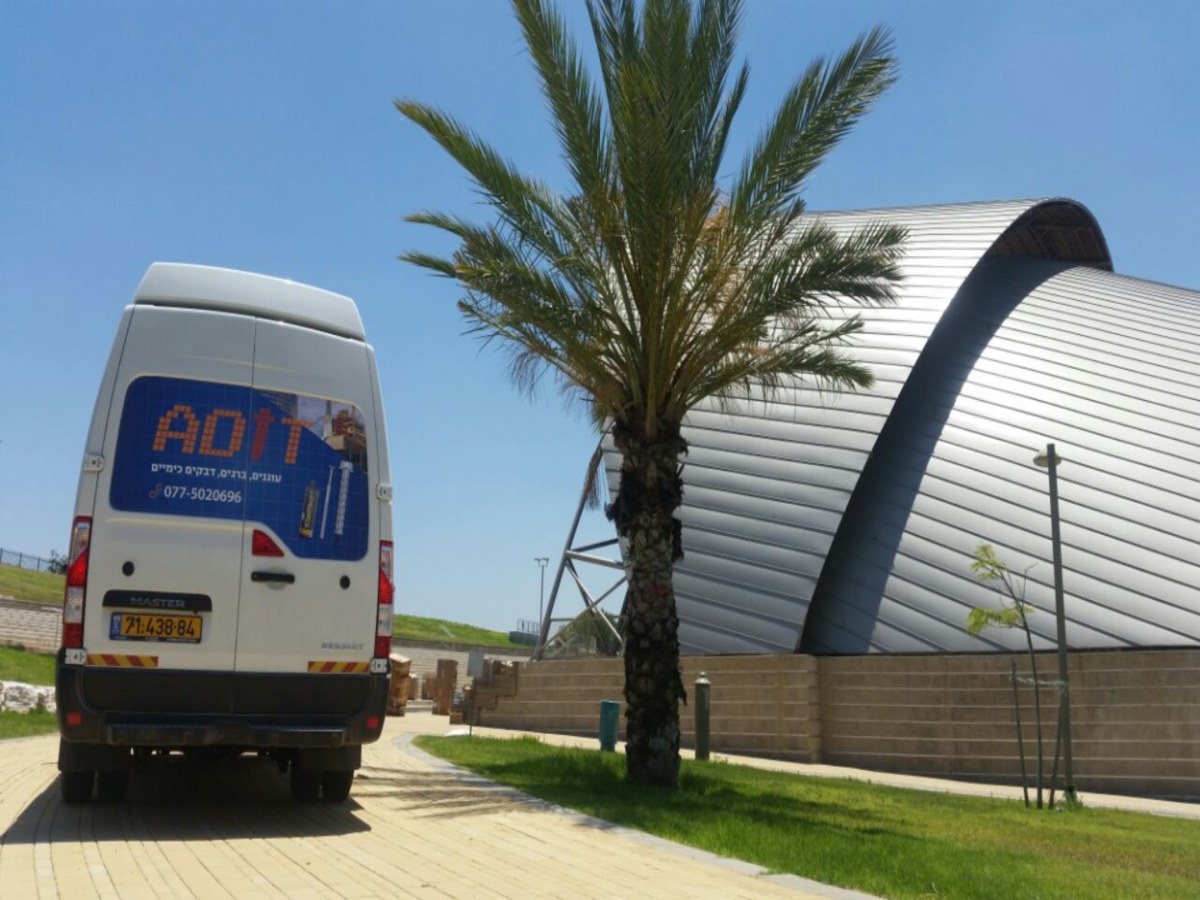 Yavne Amphitheater
 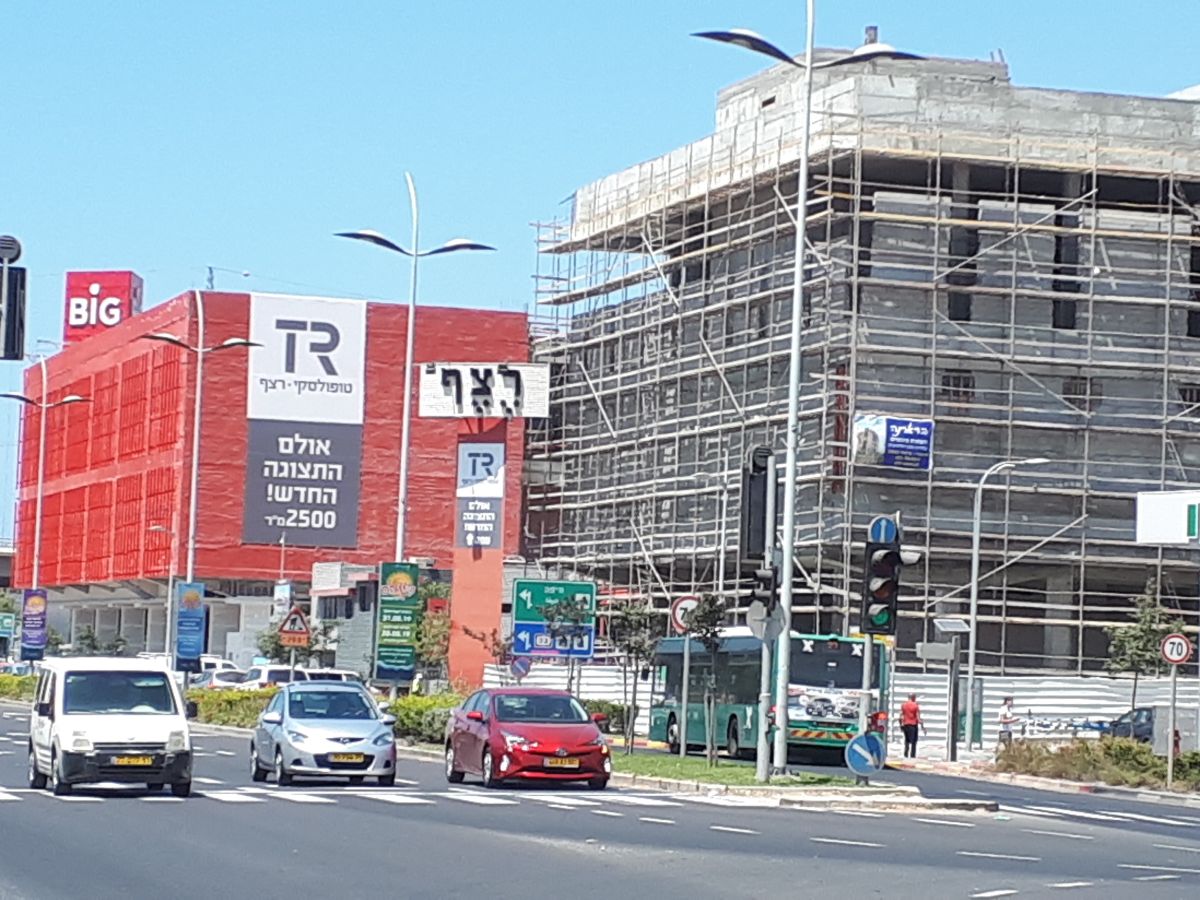 Redesign Haifa
 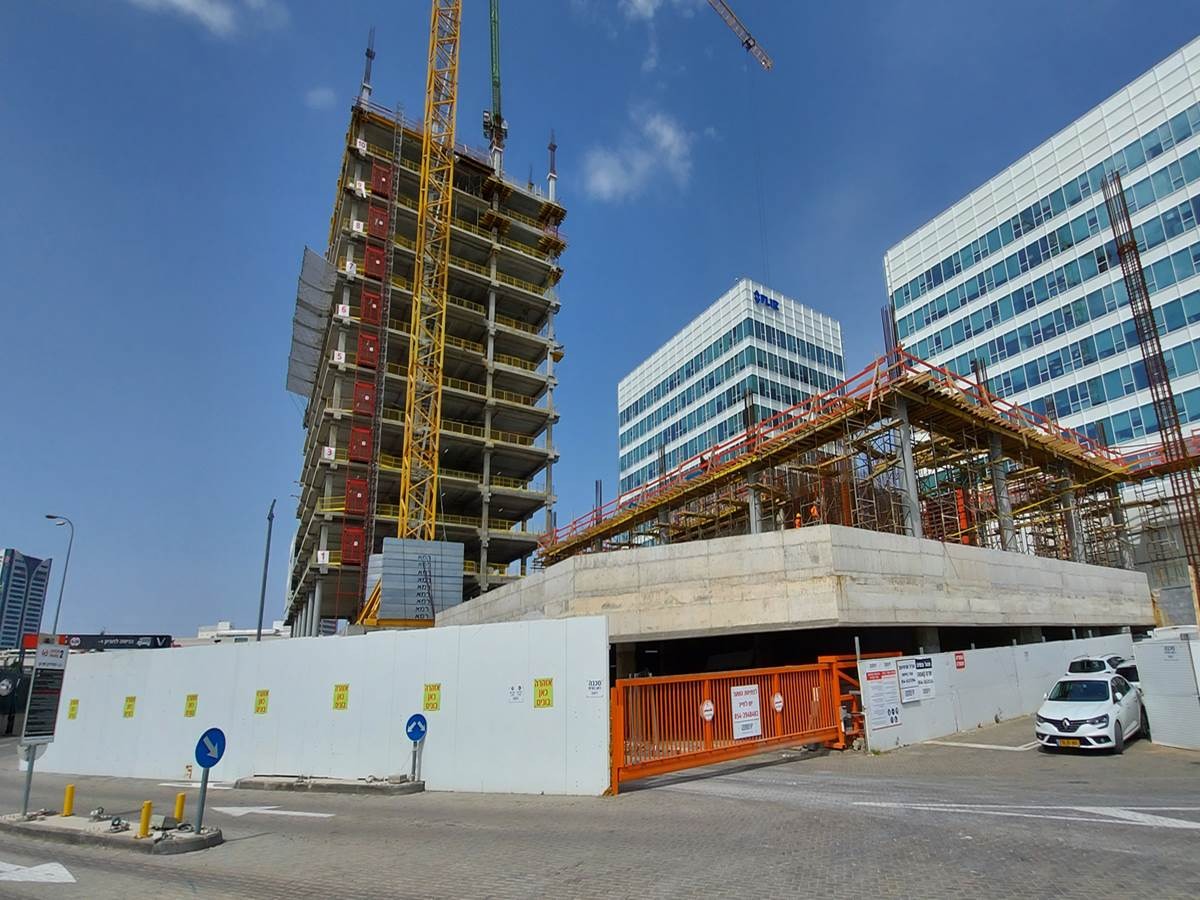 Park Ofer Petah Tikva
 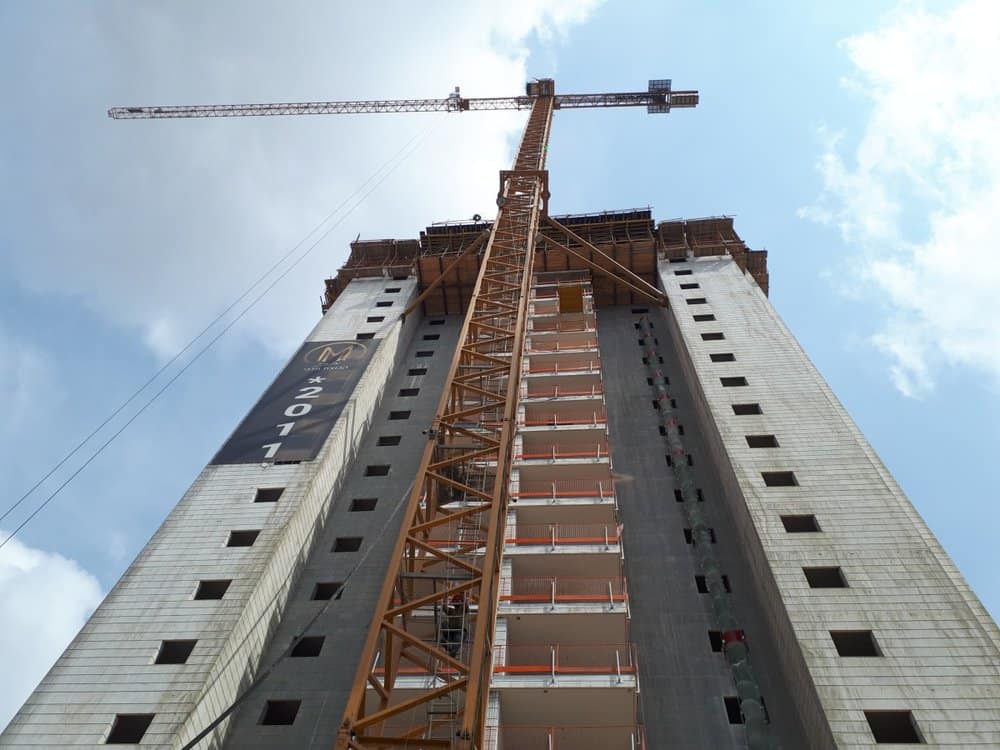 Yavne Malkey Construction
 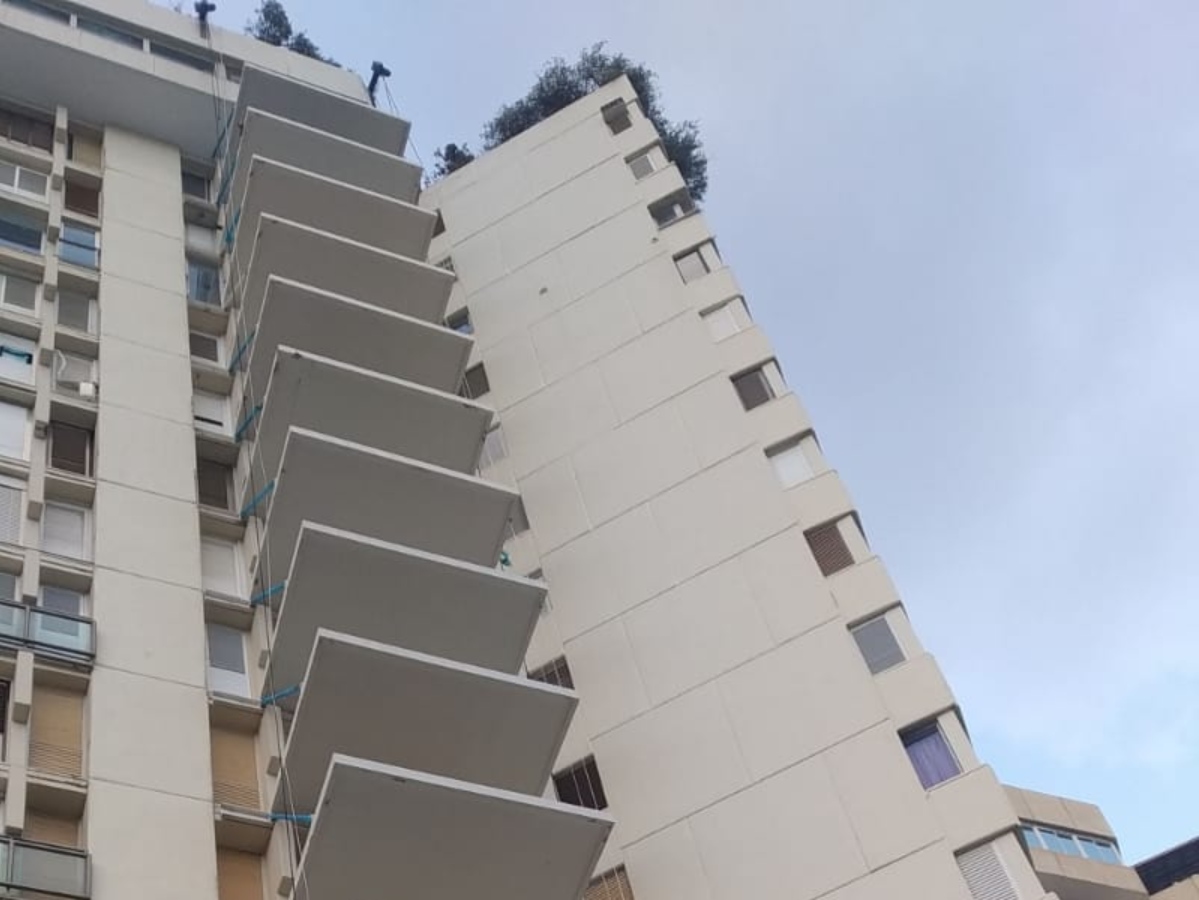 Balkind Street Tel Aviv
 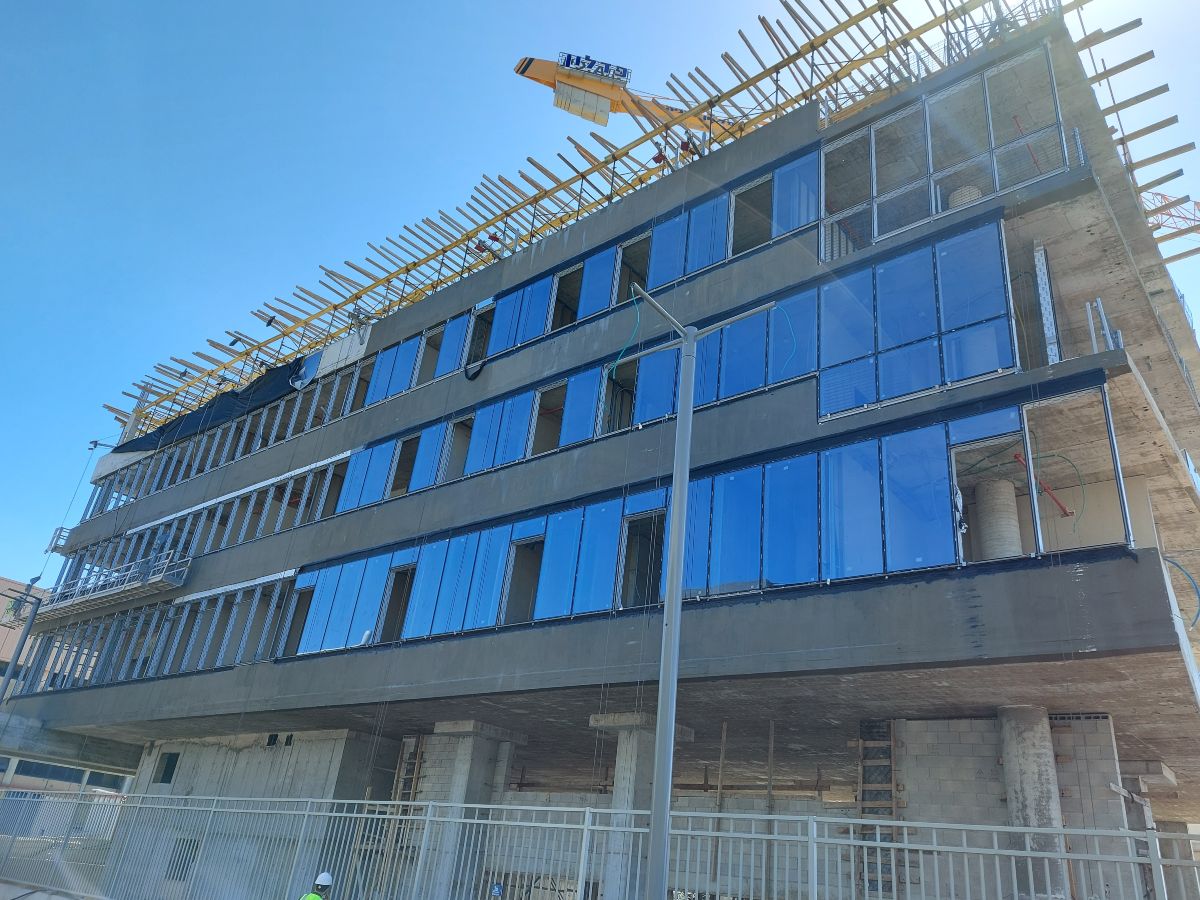 Hamelacha Commerce & Offices Netanya
  Red Binat Jerusalem
 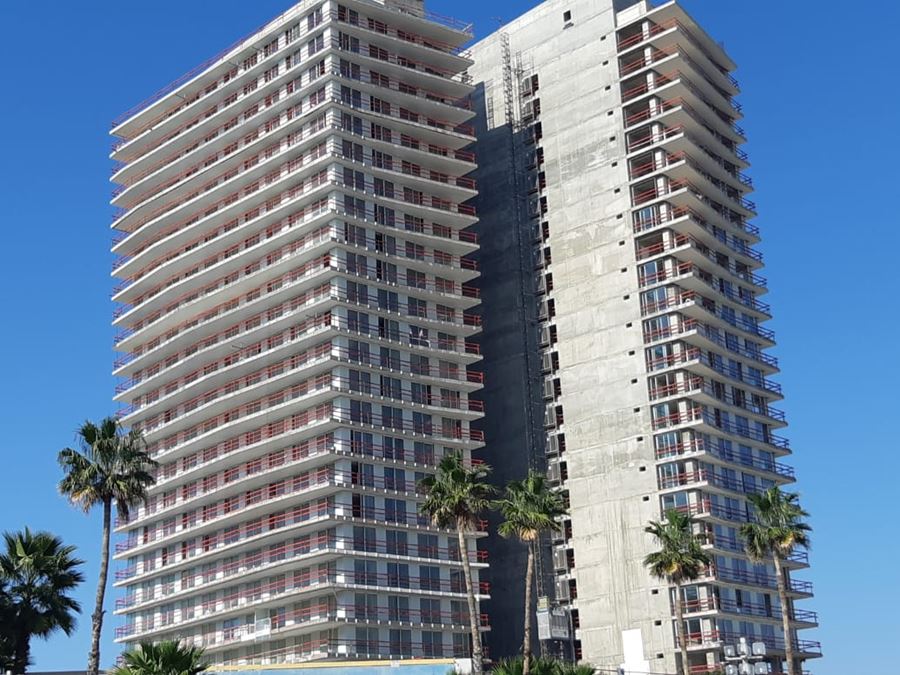 Sun Hotel Bat Yam
 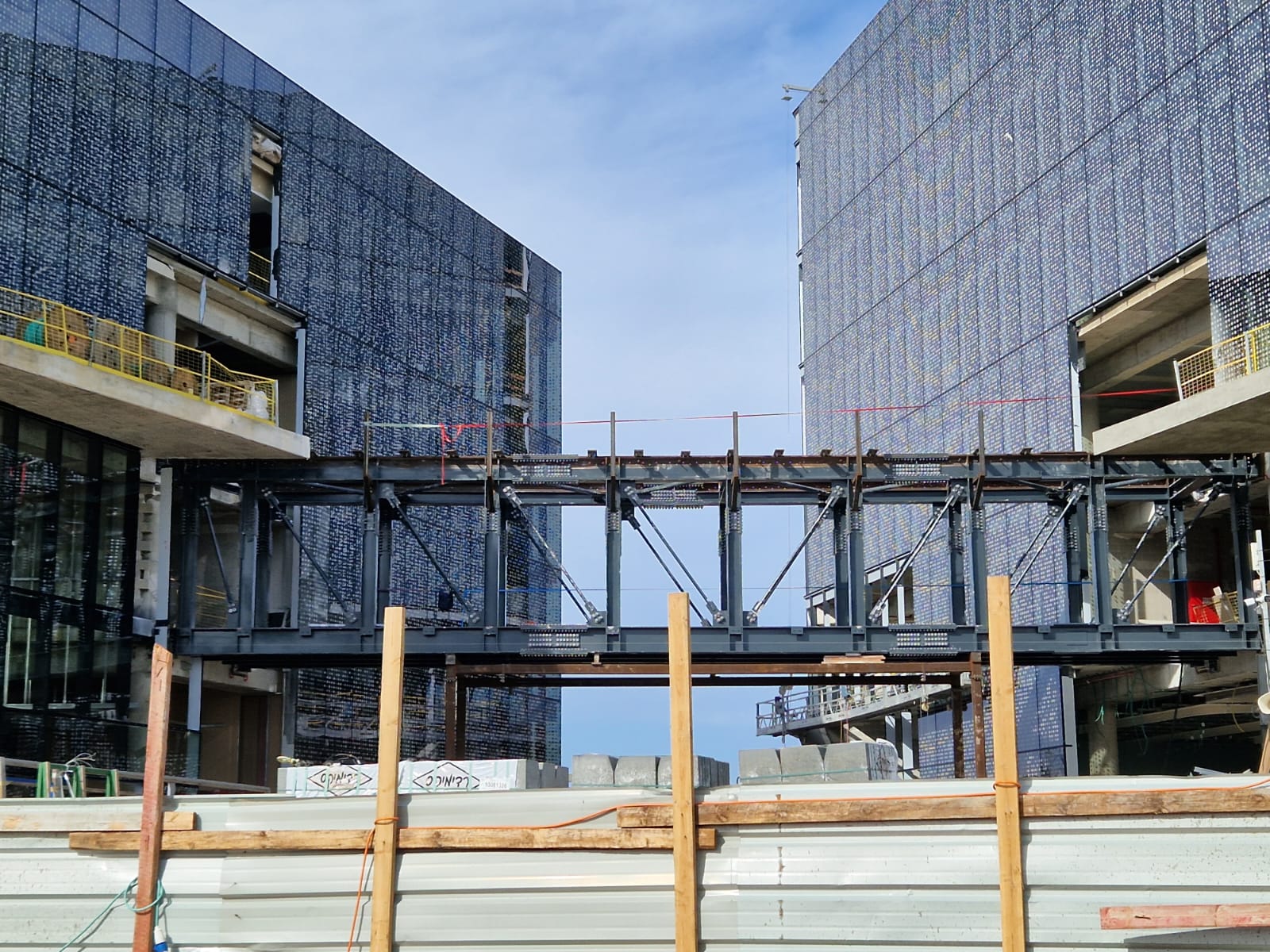 Palmachim Bridge
Instructional & field-test videos
What is a wedge anchor?
A wedge anchor is a mechanical anchor for concrete used to fasten structures, installations and equipment to concrete through a mechanical expansion mechanism. After the hole is drilled and the nut is tightened, the expansion clip opens inside the concrete and creates a strong, secure anchorage capable of carrying high pull-out and shear loads.
Wedge anchors have been one of the most widely used fastening solutions in the construction and industrial sectors for decades, thanks to their simple installation, high reliability and ability to carry significant loads. The ADIT MTH wedge anchor is designed for anchoring in uncracked concrete and is suitable for a wide range of professional applications.
Advantages of the MTH wedge anchor
- Fast and simple installation
- High load-bearing capacity
- Economical and reliable solution
- Suitable for a wide range of applications
- Available in a wide range of diameters and lengths
- Allows immediate loading after installation
When to choose MTH?
Please note: MTH is approved for uncracked concrete only, and carries no seismic approval. If the design requires cracked concrete or earthquake resistance, switch to MTP-X.
- Uncracked concrete: European ETA7 approval, with calculated and approved load values.
- Wide range of embedment depths: a broad selection of anchoring depths for flexibility in design and on site.
- Very high pull-out strength: among the market leaders in Israel for pull-out values.
- Wind loads: approved for static and quasi-static loads, including wind loads.
- 50-year service life: official approval for a half-century design life.
Cracked versus uncracked concrete
What is cracked concrete (in the anchoring field)? Cracked concrete is an engineering condition in which there is a high probability of a crack of up to 0.3 mm appearing where the wedge anchor is installed after installation. This crack can develop as a result of pull-out loads in the concrete itself or as a result of the force applied by the anchor. Design offices commonly define all concrete as cracked to be on the safe side, even though this is not necessarily required.
When should you choose a wedge anchor for cracked concrete? A wedge anchor for cracked concrete should be chosen whenever the engineering design defines the connection zone as “cracked concrete”. This type of anchor is equipped with a special expansion mechanism that adapts to movements in the concrete, thereby ensuring the anchorage remains stable, safe and durable over time, even if the crack widens under load.
Wedge anchor — why choose us?
- European standard and uncompromising quality: rigorous manufacturing that guarantees maximum durability and compliance with the strictest standards in the construction industry.
- Safe and accurate installation: the wedge anchor is equipped with a unique system that makes it easy to verify embedment depth, using the marking stamped on the anchor head (preventing human error).
- Design flexibility: a very wide range of embedment depths that adapts to any structural requirement.
- Outstanding performance at edge distances: the anchor structure provides excellent properties in connections close to the edge, enabling efficient design even in tight locations.
- Cost-effective: strong, high-quality steel at a competitive price and low cost, enabling significant savings.
- Environmental durability: the anchor comes with a high-quality cold-galvanized coating that ensures long-term protection.
- Knowledge, experience and engineering support: the most experienced team in Israel with the most generous service. Proven in the field in hundreds of complex projects across Israel (luxury towers, shopping malls, infrastructure and more).
Common uses
The ADIT MTH wedge anchor is especially suitable when a strong, fast mechanical connection to concrete is required. It is used for anchoring:
- Curtain walls and cladding connections
- Safety railings and balconies
- Steel structures and metal frames
- Machinery and industrial equipment
- Ducts and utility systems
- Storage installations and shelving
- Equipment bases and engineering installations
- Installation of posts and pergolas
- Fixing electrical cabinets, lighting systems and heavy equipment
How to choose the right wedge anchor?
Choosing the right wedge anchor depends on several factors, such as the type of concrete, the magnitude of the loads, edge distances, spacing between anchors and the standards required by the project. In projects that require anchoring in cracked concrete, seismic resistance or special approvals, it is recommended to choose an anchor with the appropriate ETA approvals for the specific application.
The ADIT MTH wedge anchor is a professional, reliable and technologically advanced solution for anchoring in uncracked concrete, delivering a combination of high strength, fast installation and proven reliability across a wide range of applications.
Frequently asked questions
How do you install a wedge anchor in concrete?
What is the difference between a wedge anchor and a jumbo sleeve anchor?
Can a wedge anchor be used in a block wall?
Can a wedge anchor be removed after installation?
What is the difference between MTP and MTH?
Which finish should I choose?
What is a wedge anchor?
Not sure which wedge anchor is right? Tell us the concrete type, the load and the environment — we will recommend the correct model, diameter and finish.