


TX Stainless Steel Concrete Screw — SS316
A direct-fastening concrete screw made of solid SS316 (A4) stainless steel — the material itself, not a coating — for especially aggressive marine, pool, chemical and medical environments.
The Adit concrete-screw family
Same screw and approvals — choose the corrosion protection that matches your environment.
Technical specification
| Property | TX — solid SS316 stainless concrete screw |
|---|---|
| Raw material | Solid SS316 / A4 stainless steel |
| Corrosion resistance | SS316 — the highest in the series (C3 to C5-M) |
| Technology | Direct threading — mechanical lock, no plug or chemical |
| Cracked concrete | Yes |
| Seismic loads | Yes — C1 and C2 |
| Reusable | Yes |
| Fire rating | Yes — R120 (Efectis), two continuous hours |
| Head range | TXT (thin), TXP (dome), TXA (countersunk), TXE (hex), TXF (female) |
| Diameters | 5, 6, 8, 10, 12, 14, 16 and 18 mm |
| Approvals | European ETA1 (cracked & non-cracked, seismic C1-C2) · ETA6 (hollow-core / Spancrete) |
Downloads
Proven in the field — selected projects in Israel
The TX / TF direct-fastening concrete screw is installed in hundreds of projects across Israel.
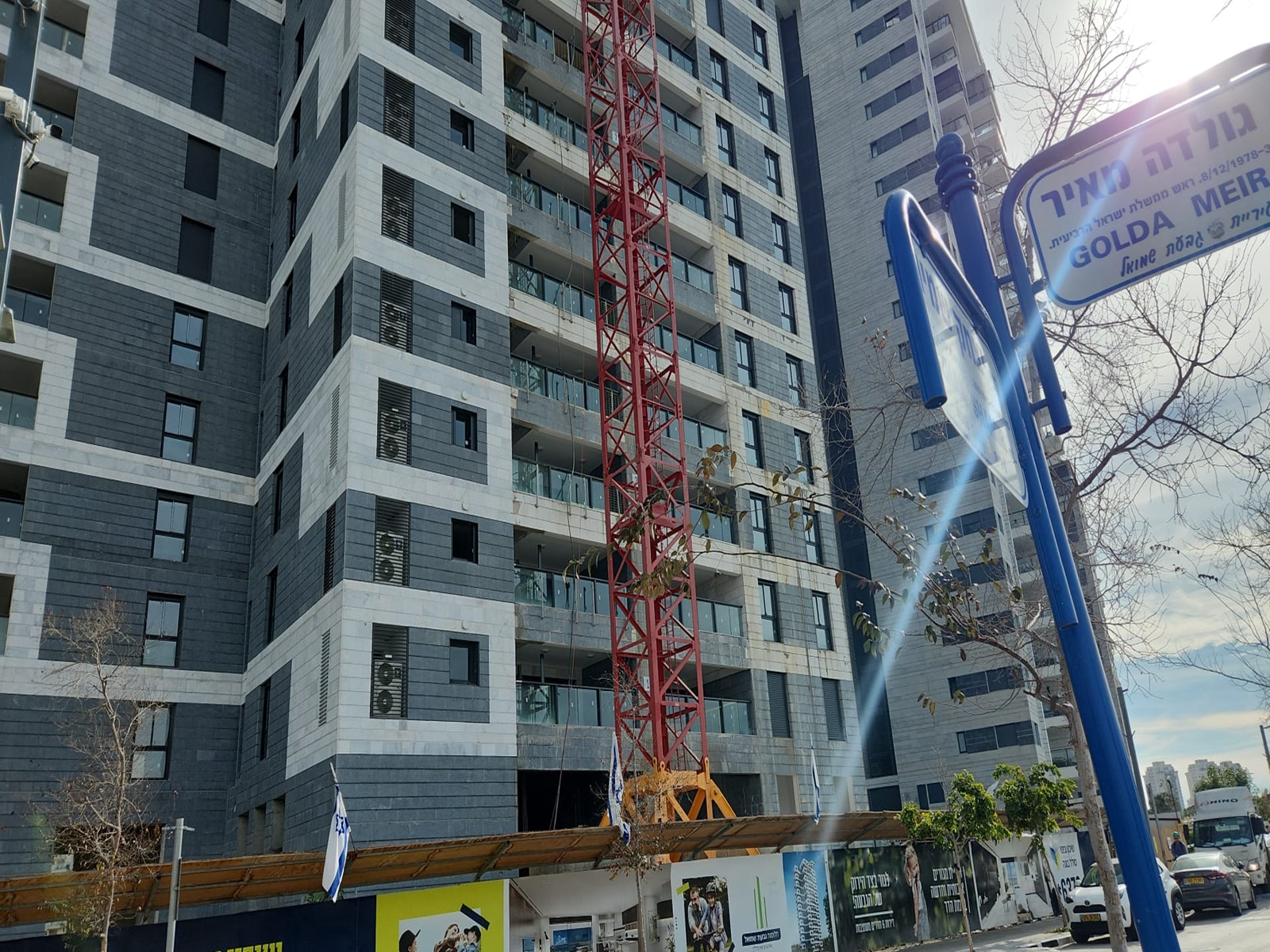 Shikun & Binui, Givat Shmuel
 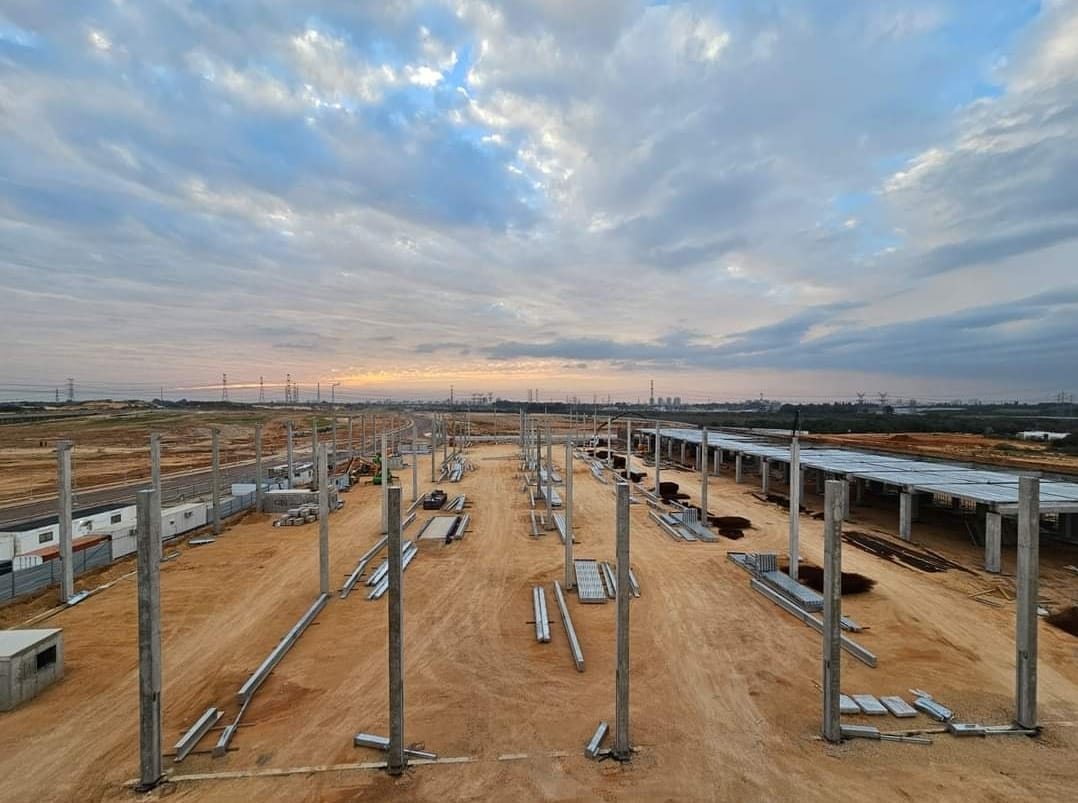 Merlog Golf, Caesarea
 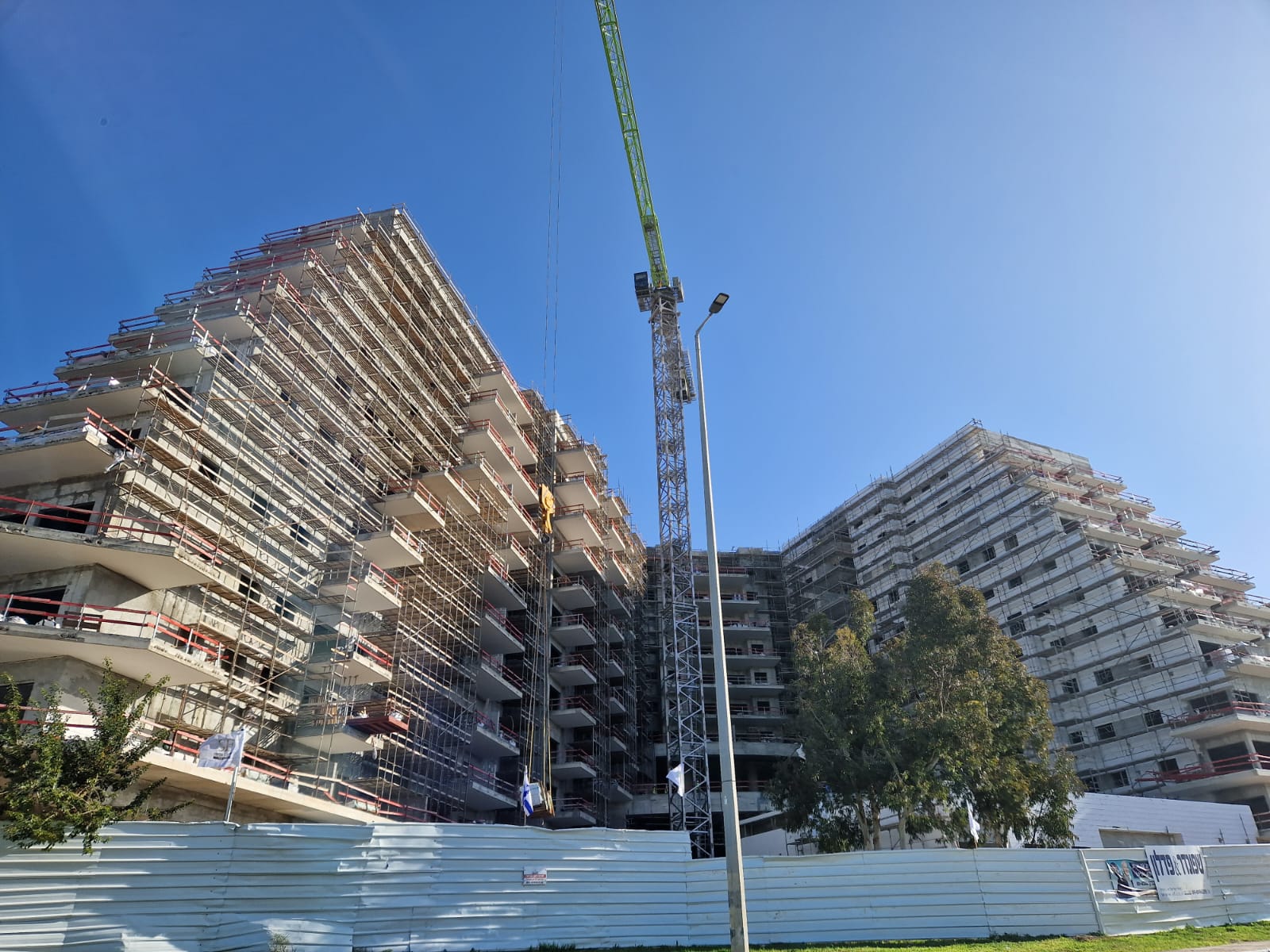 Fadlon building, Elkana
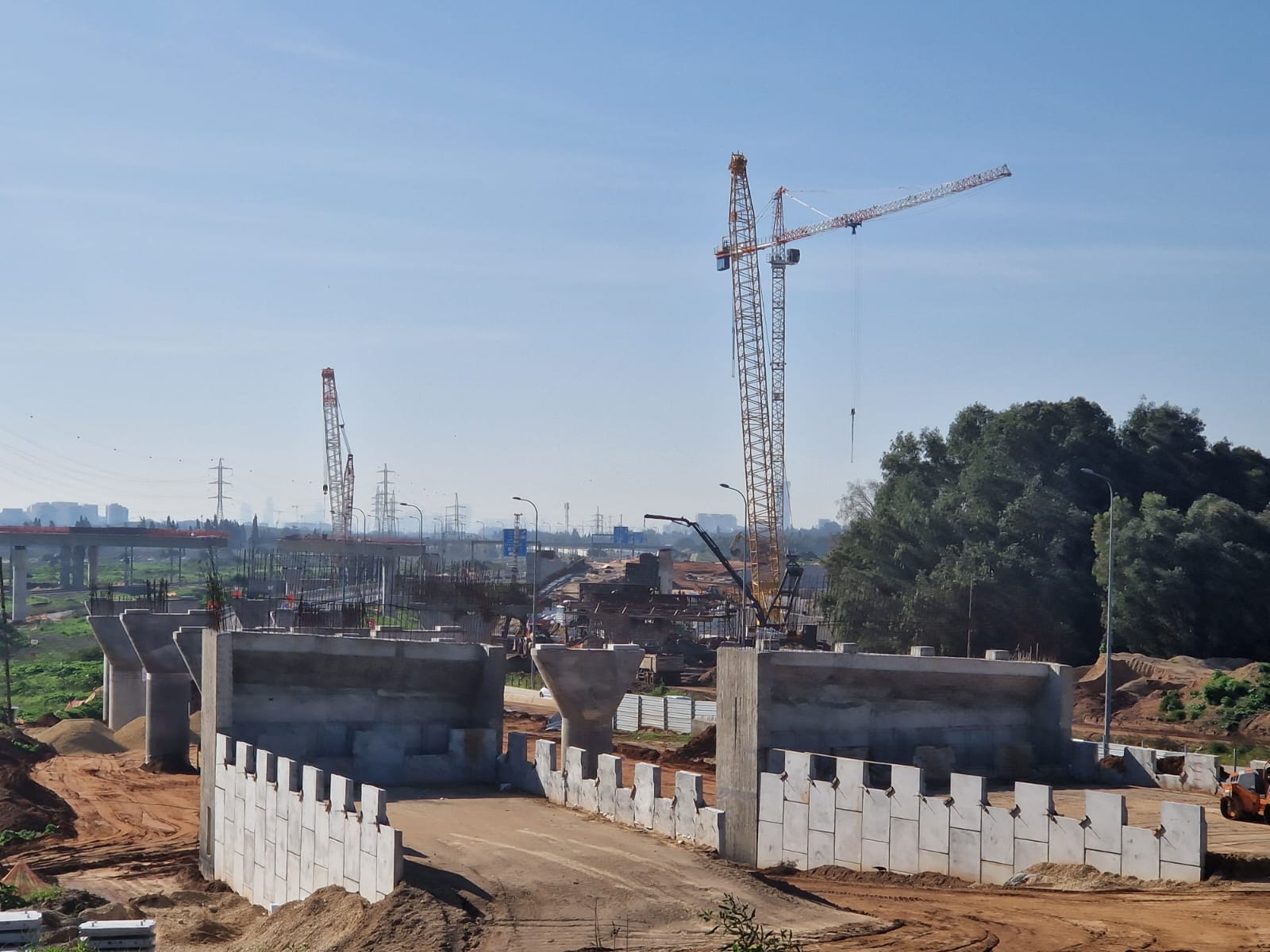
 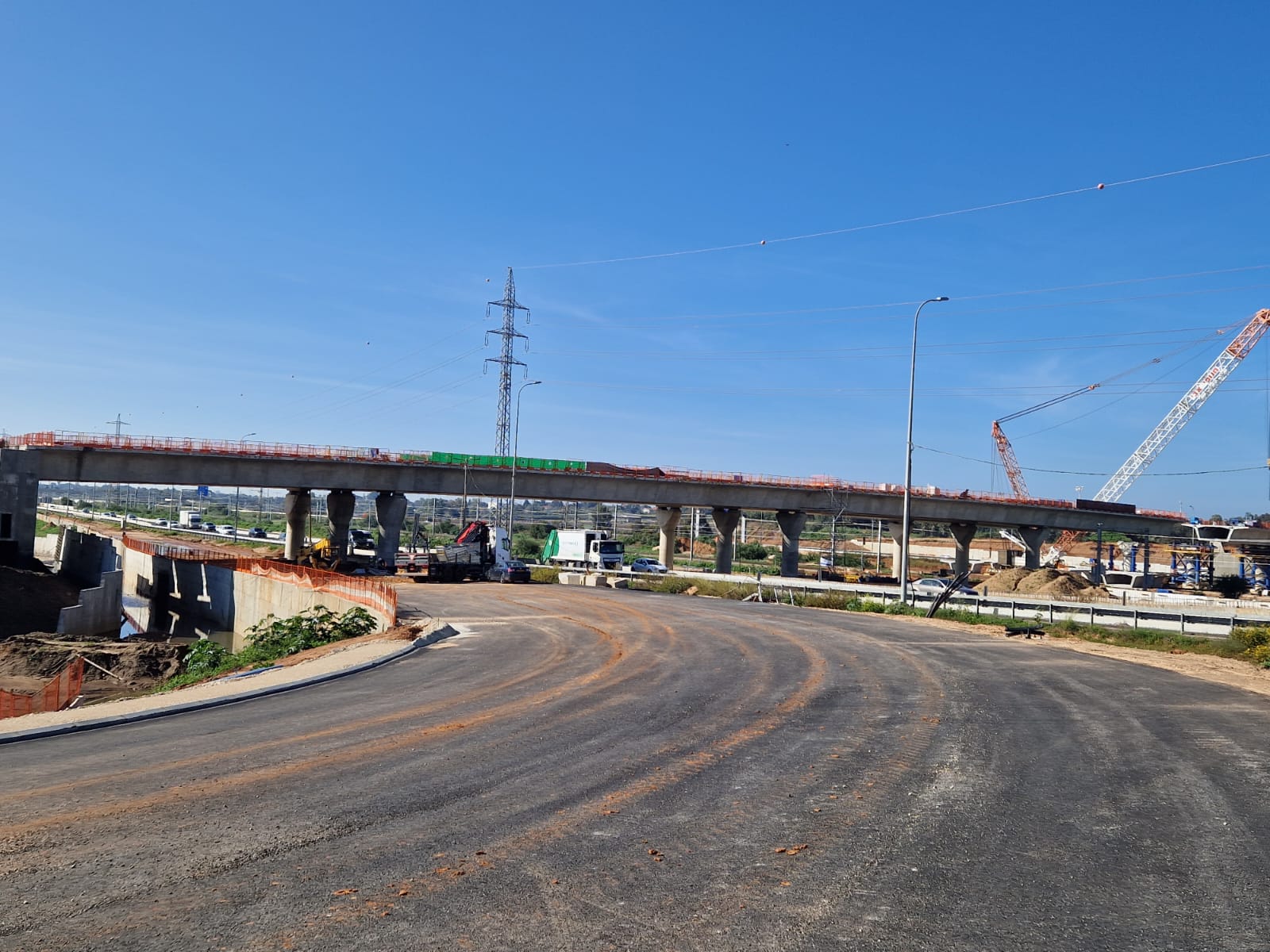 Road 54
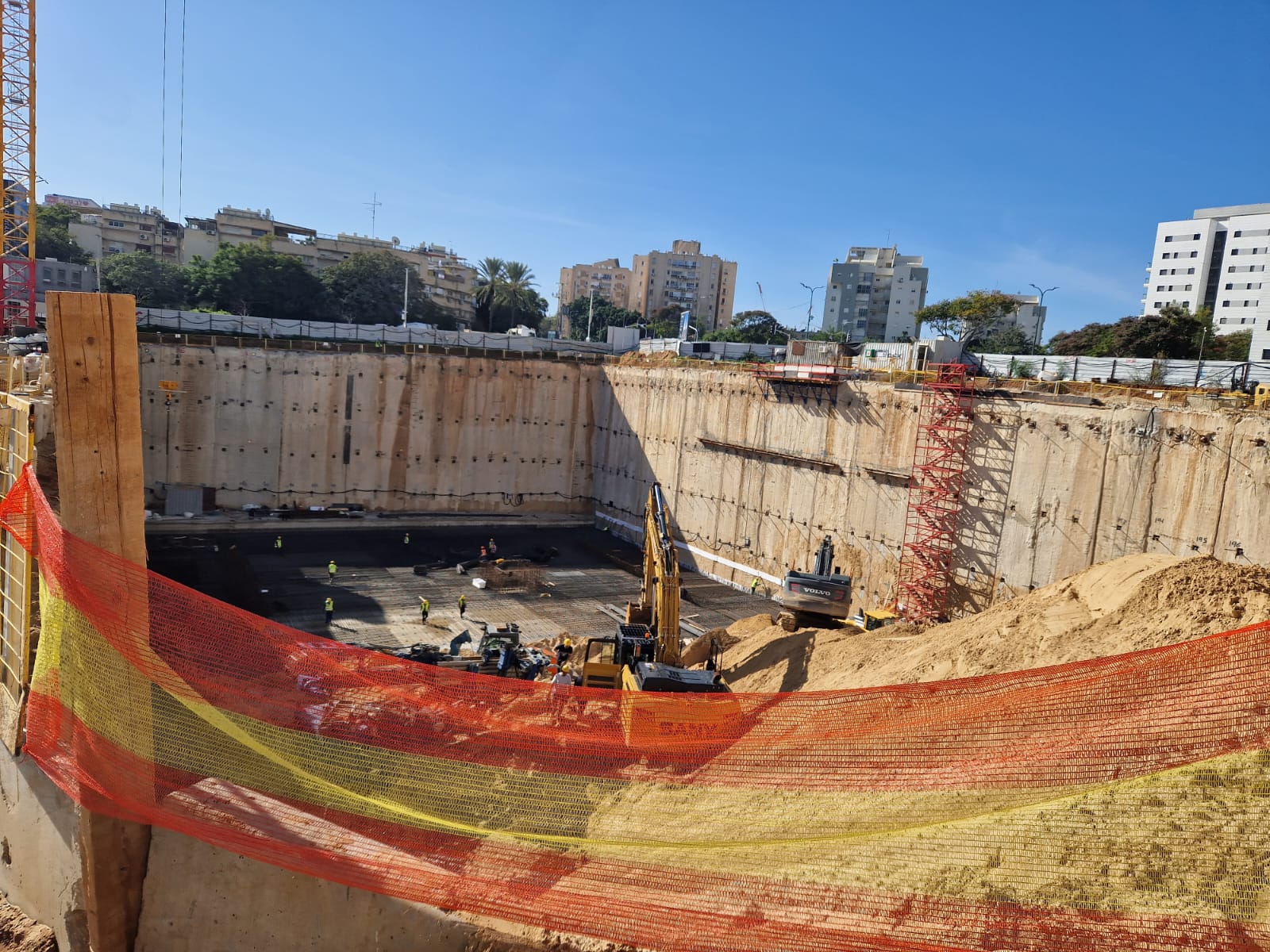
  Shefayim parking
  Tidhar Tower, Netanya
 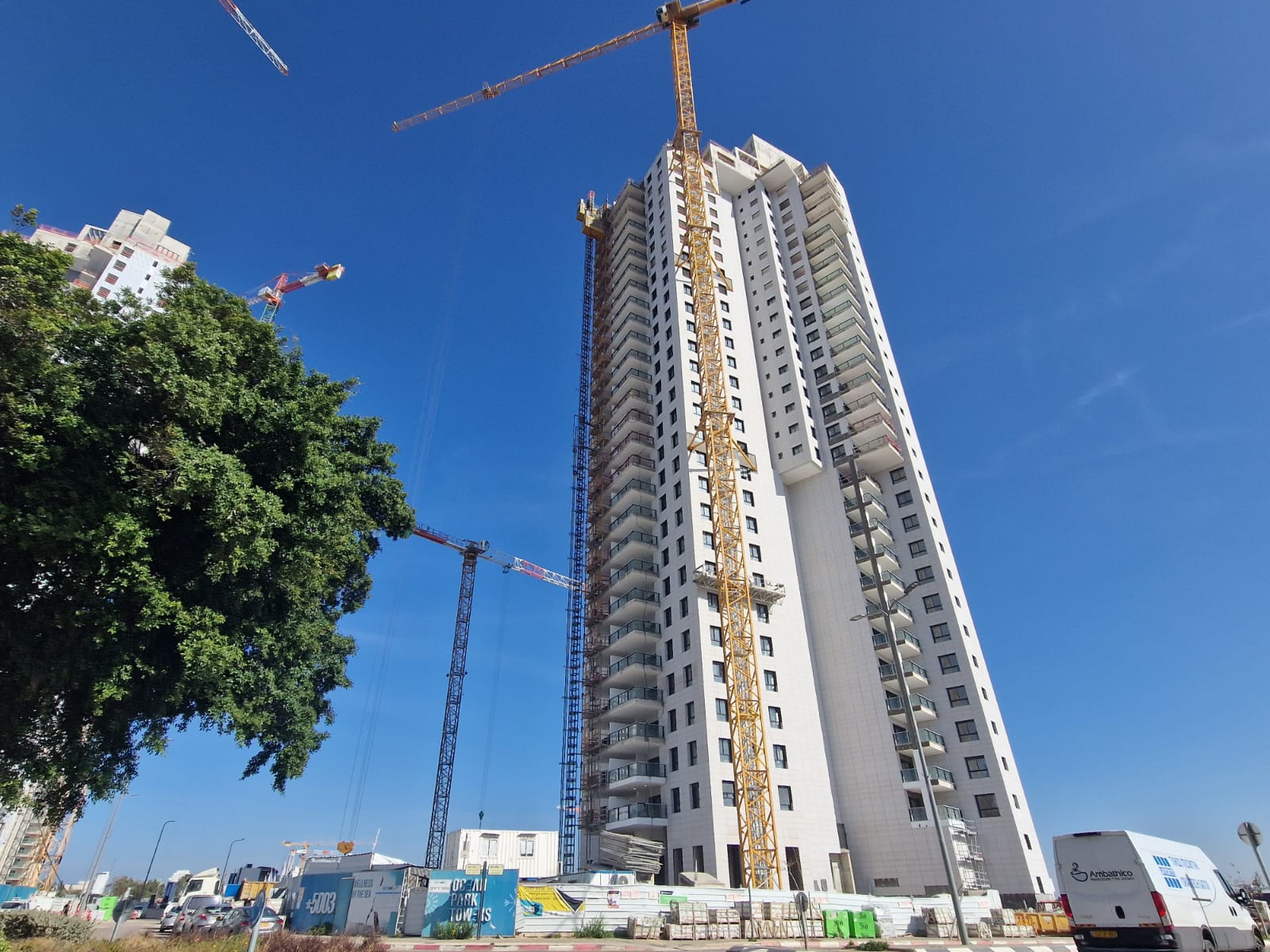 ACR Tower, Netanya
Instructional & field-test videos
When do you need a stainless concrete screw?
The TX is made of solid SS316 (A4) stainless — the material itself, not a coating — and is the solution for environments where even the Atlantis (TH) coating is not enough:
- Marine: shoreline structures, piers and railings exposed to seawater and salt spray.
- Swimming pools: chlorine and constant humidity, the harshest conditions for mechanical anchoring.
- Hospitals and laboratories: hygiene, chemical disinfection and long-term durability.
- Food industry: frequent wash-downs and aggressive cleaning agents.
- Chemical industry: acids, bases and industrial vapours.
- Stone and marble cladding on exposed facades, where screw corrosion would endanger the cladding.
What is the TX — and why SS316?
The TX is the full-stainless version of the familiar TF series: a direct-fastening screw that cuts into a drilled hole and forms a strong mechanical lock, with no plug, chemical or extra preparation. The key difference is that it is SS316 (European A4) along its entire length — from thread to head — not merely coated. SS316, called “marine stainless”, contains added molybdenum, which gives exceptional resistance to chloride — the chemical that drives corrosion in seawater, pools and cold rooms.
SS316 (A4) vs SS304 (A2): SS304 suits interior and medium-humidity environments; SS316 contains 2–3% molybdenum, protecting against chloride — essential for sea, pools, the chemical industry and medical settings. By ISO 9223, the TX suits categories C3 (urban-industrial, coastal) up to C5-M (marine, chemical), where TH (Atlantis) covers C3–C4.
TXE for hollow-core (Spancrete) in marine settings
The TXE holds ETA6 approval for direct anchoring in prestressed hollow-core (Spancrete) slabs — the most comprehensive solution where high corrosion resistance and Spancrete anchoring are both needed, such as seaside underground car parks, port structures, seafront promenades and pool facilities. In approved sizes 5 and 6 it forms a reliable mechanical lock in the thin lower shell without applying expansion pressure, and, being stainless throughout, the anchor itself will not rust over the structure’s full service life.
Approvals and standards — your ticket to safe construction
- ETA1 — cracked and non-cracked concrete: the most rigorous approval for mechanical anchors in Europe. Full approval for both cracked and non-cracked concrete.
- ETA6 — prestressed and hollow concrete: a unique approval for hollow-core (Spancrete) slabs, allowing direct anchoring without additional materials.
- Seismic C1-C2: critical in Israel as an active seismic zone; C1-C2 are the strictest anchoring requirements.
- CSIC — sprinklers: a certificate for official use anchoring fire-suppression systems, with full engineering liability.
- Fire resistance R120: approved by Efectis — maintains structural integrity and load-bearing capacity for two continuous hours.
- Load resistance: static, semi-static, dynamic and shock loads.
Applications — where are concrete screws used?
- Anchoring formwork: the ability to pull out and re-insert the screw makes it ideal for anchoring formwork legs.
- Overhead hanging: piping, electrical conduit and HVAC — installed in a single stroke, with no extra tools.
- Fire-suppression systems: sprinkler anchoring backed by the CSIC certificate.
- Hollow-core (Spancrete) slabs: direct anchoring to prestressed and hollow slabs backed by ETA6.
- Structural steel and railings: structural connections in cracked concrete, including seismic loads.
- Light anchoring: hanging signs, pictures and frames — fast and reliable, with no chemicals.
Range of heads — the TF series
Same screw, same approvals — in a range of heads for every application. All heads are available in the TH (Atlantis) coating and in TX stainless.
- TFT — thin (truss) head
- TFP — dome / button head
- TFA — countersunk head
- TFE — hex (socket) head
- TFM — combined threaded-rod head
- TFS — threaded-rod (stud) head
- TFF — female head
- TFJ — wide thin head
Frequently asked questions
What is the difference between a concrete screw and a chemical anchor?
Can a concrete screw be removed and re-installed?
Is it approved for cracked concrete and earthquakes?
What is the difference between TF, TH and TX?
Which TXE sizes are approved for hollow-core (Spancrete)?
What is the difference between the TXE and the female HC / HE-HC anchors?
What is the fire resistance?
Which lengths and diameters are available?
Working in a marine, pool or chemical environment? Tell us the load, base material and exposure category — our engineers will select the right stainless screw and send you the ETA data.