
TF Concrete Screw
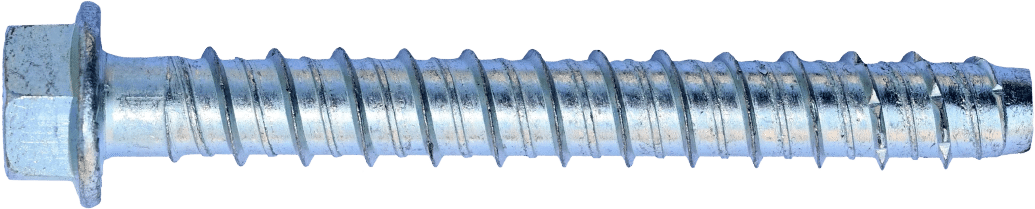
Direct-fastening concrete screw, zinc plated – for cracked and uncracked concrete, seismic C1-C2 and hollow-core slabs.
What is a Concrete Screw?
The concrete screw is one of the smartest solutions in the anchoring world. Unlike traditional anchors that need an external plug or a chemical resin, a direct-fastening concrete screw cuts its own thread straight into the walls of the drilled hole, creating a strong and precise mechanical lock – with no preparation steps.
The big advantage: speed, accuracy and re-usability – the screw can be removed and re-installed without compromising the strength of the anchorage. That is a unique property with no substitute when anchoring formwork.
Technical Specification
| Characteristics | Direct-fastening screw for concrete, re-usable, and suitable for hollow-core / prestressed slabs (Spancrete) |
| Material | Carbon steel, grade 8.8 |
| Coating | Zinc plated, 5 µm (ISO 4042). Typical resistance 96–200 hours in salt spray to ISO 9227 |
| Technology | Direct fastening |
| Diameters | 5, 6, 8, 10, 12, 14, 16 and 18 mm |
| Cracked concrete | Yes |
| Seismic loads | Yes – C1-C2 |
| Re-usable | Yes |
| Fire standard | Yes – R120 (Efectis) |
| Sprinklers | Yes – CSIC certificate |
| Approvals | ETA1 for cracked and uncracked concrete · ETA6 for hollow-core / prestressed slabs · CSIC for sprinklers |
Approvals & Standards
ETA1 – cracked and uncracked concrete
The most rigorous approval for mechanical anchors in Europe. Full approval for use in both cracked and uncracked concrete.
ETA6 – prestressed and hollow-core
A unique approval for hollow-core slabs (Spancrete), allowing direct anchoring into such ceilings with no additional material.
Seismic C1-C2
Critical in Israel as an active seismic zone. Categories C1-C2 cover the strictest anchoring requirements.
CSIC – sprinklers
A certificate permitting official use in fire-suppression systems, with full engineering accountability.
Fire resistance R120
Approved by Efectis – structural integrity and load-bearing capacity maintained for two continuous hours.
Load resistance
Static, quasi-static, dynamic and shock loads.
Head Range – TF Series
The same screw and the same approvals, in a head for every application. Every head is also available in the TH Atlantis coating and in TX stainless steel.


Applications
Anchoring formwork
Being able to remove and re-install the screw makes it the ideal solution for anchoring formwork legs.
Overhead suspension
Pipework, cable trays and HVAC ducts – installed in one pass, with no extra tools.
Fire-suppression systems
Sprinkler anchoring backed by the CSIC certificate.
Hollow-core slabs (Spancrete)
Direct anchoring into prestressed and hollow ceilings, backed by ETA6.
Structural work and railings
Structural connections in cracked concrete, including seismic loads.
Light fixings
Signs, pictures and frames – fast and reliable, with no chemicals.
The TFE Anchor for Hollow-Core (Spancrete) and Prestressed Slabs
The only officially approved sizes for hollow-core slabs are TFE5 and TFE6, matched to the thin lower shell of a Spancrete slab without damaging the internal prestressing strands.
A male anchor, not a sleeve
The TFE threads directly into the concrete and forms an internal mechanical thread; it can be fully removed and re-used – unlike the HC and HE-HC female anchors, which stay permanently in the base material.
An advantage when working at height
Installation is a single pass – drill, clean, drive with an impact wrench. No second tool to expand a sleeve. Significantly less effort and fatigue during long work on scaffolding.
Multi-point suspension systems
Approved for redundant non-structural systems – services, fire-suppression pipework, modular partitions, and electrical and HVAC ducting.
Files to Download
- TF concrete screw – technical data (English)
- TFE concrete screw – technical booklet (English)
- European Technical Assessment (ETA) – cracked and uncracked concrete
- ETA 6 – prestressed / hollow-core slabs
- CSIC certificate – sprinklers
- Declaration of Performance (DoP)
- AutoCAD files – TF screws
Instruction Videos
Videos A Better Test on the Area
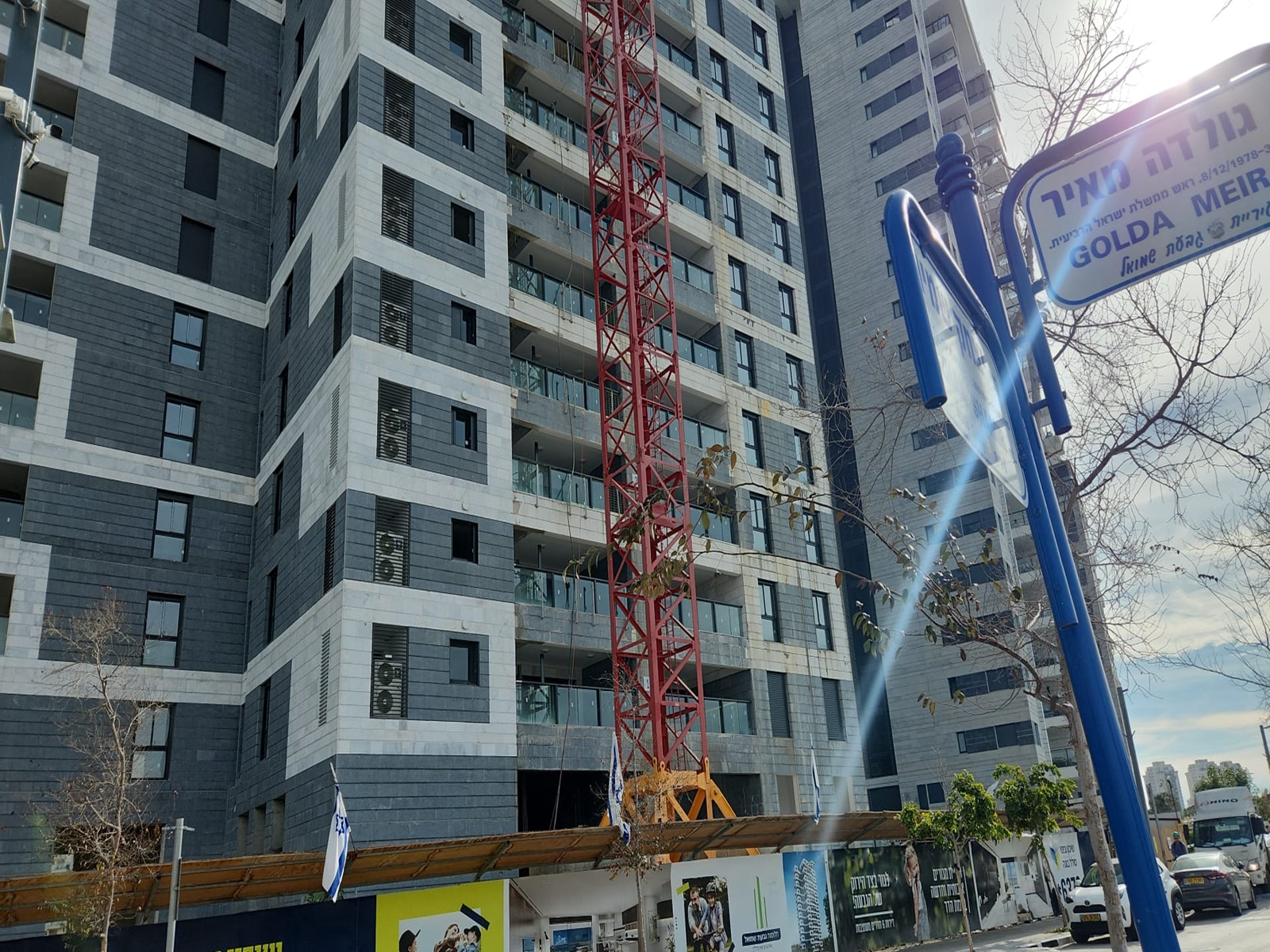
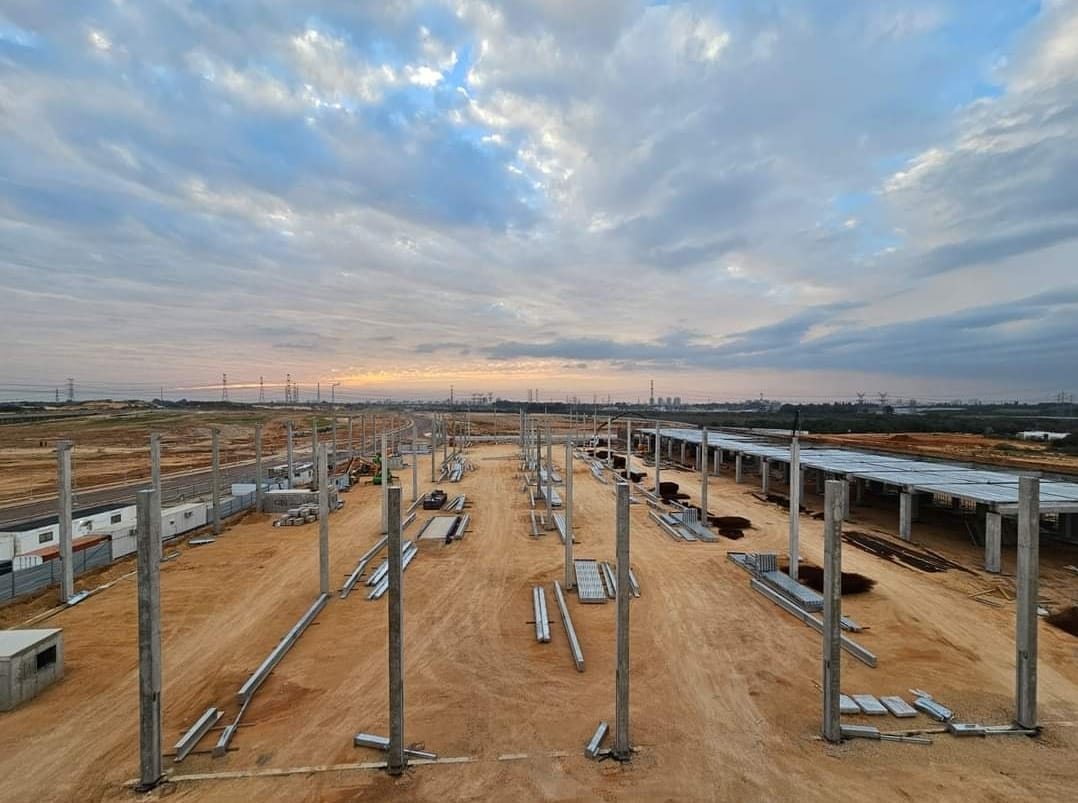
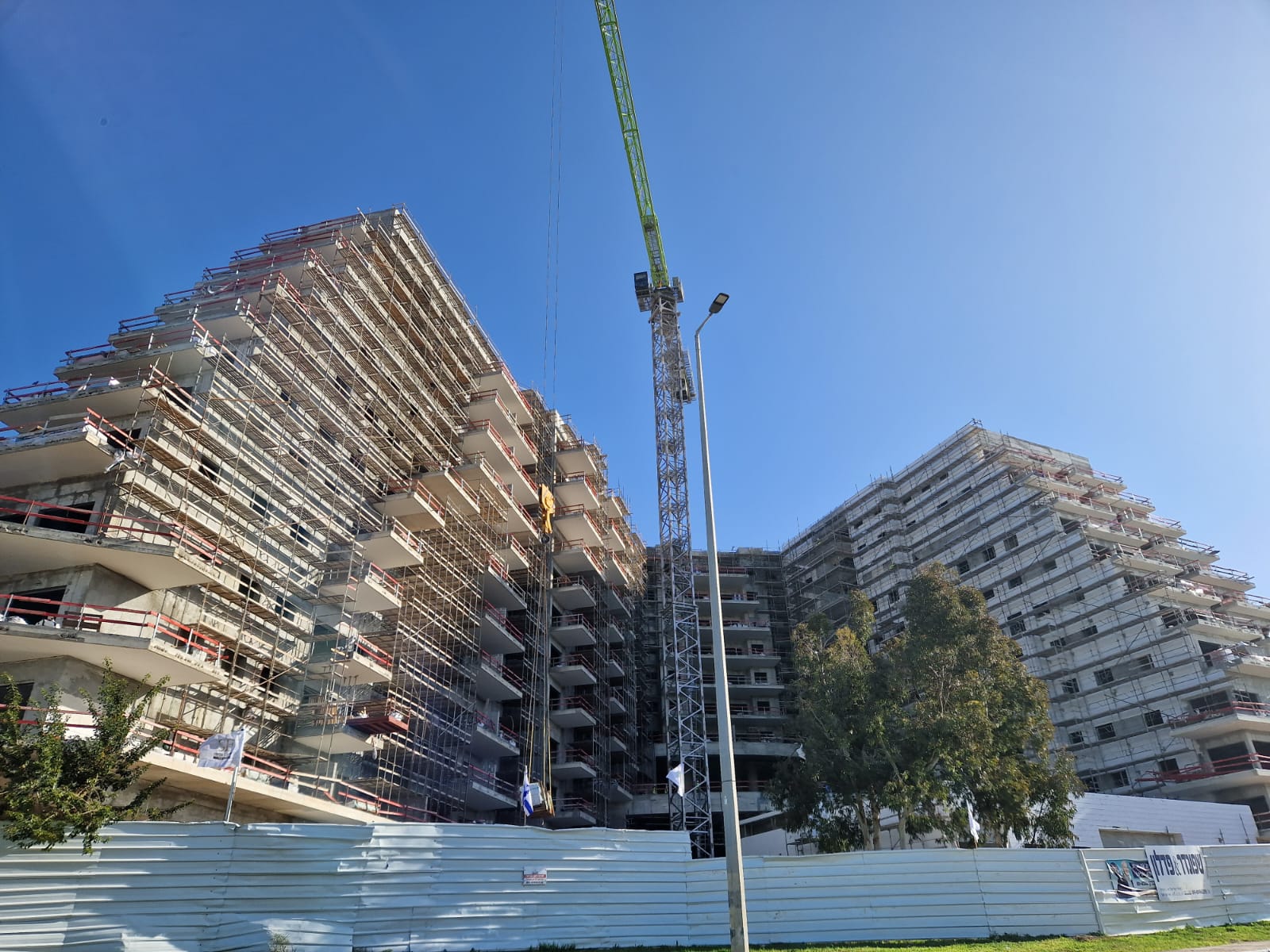
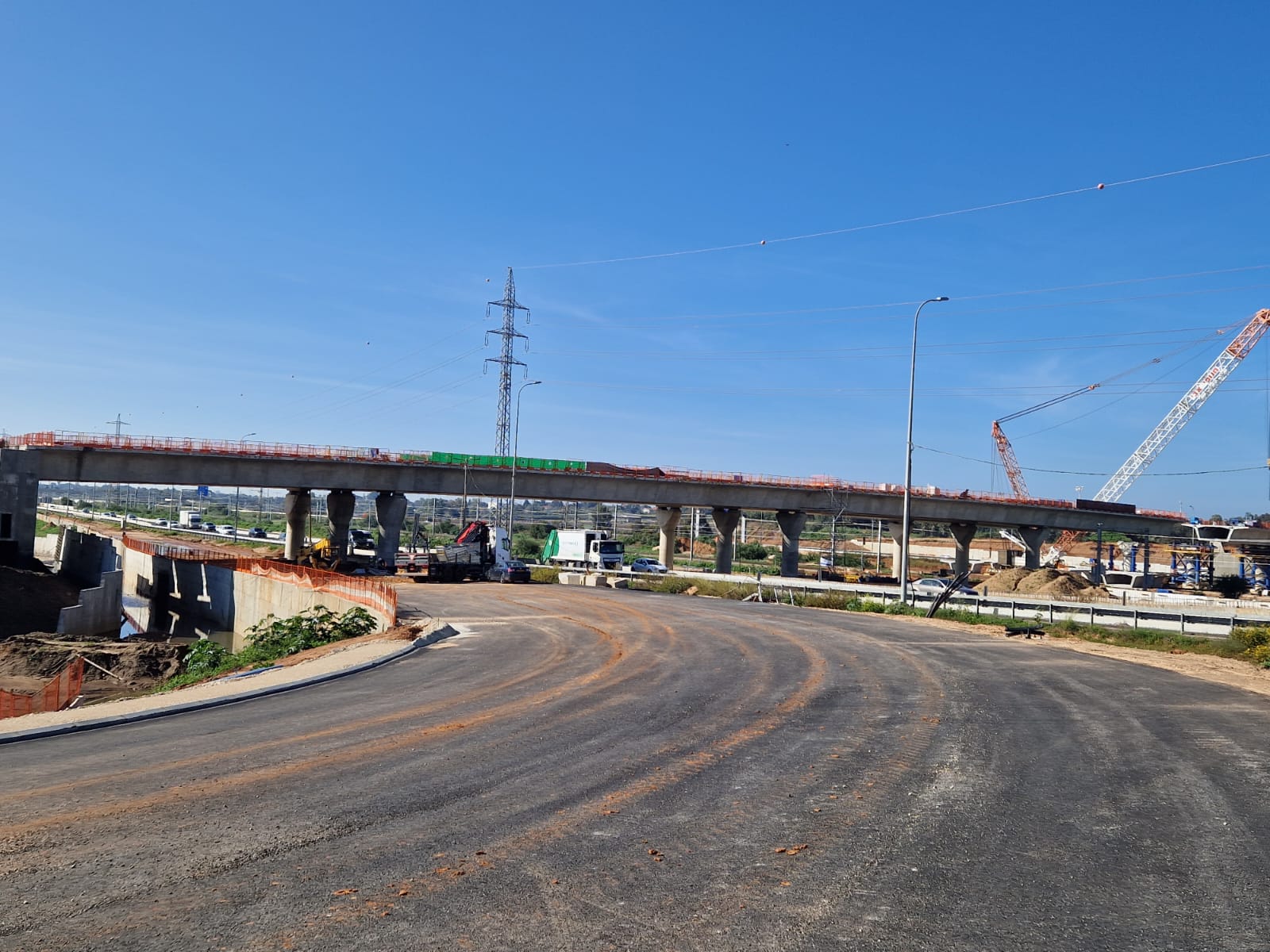
Proved in Area: projects selected in Israel
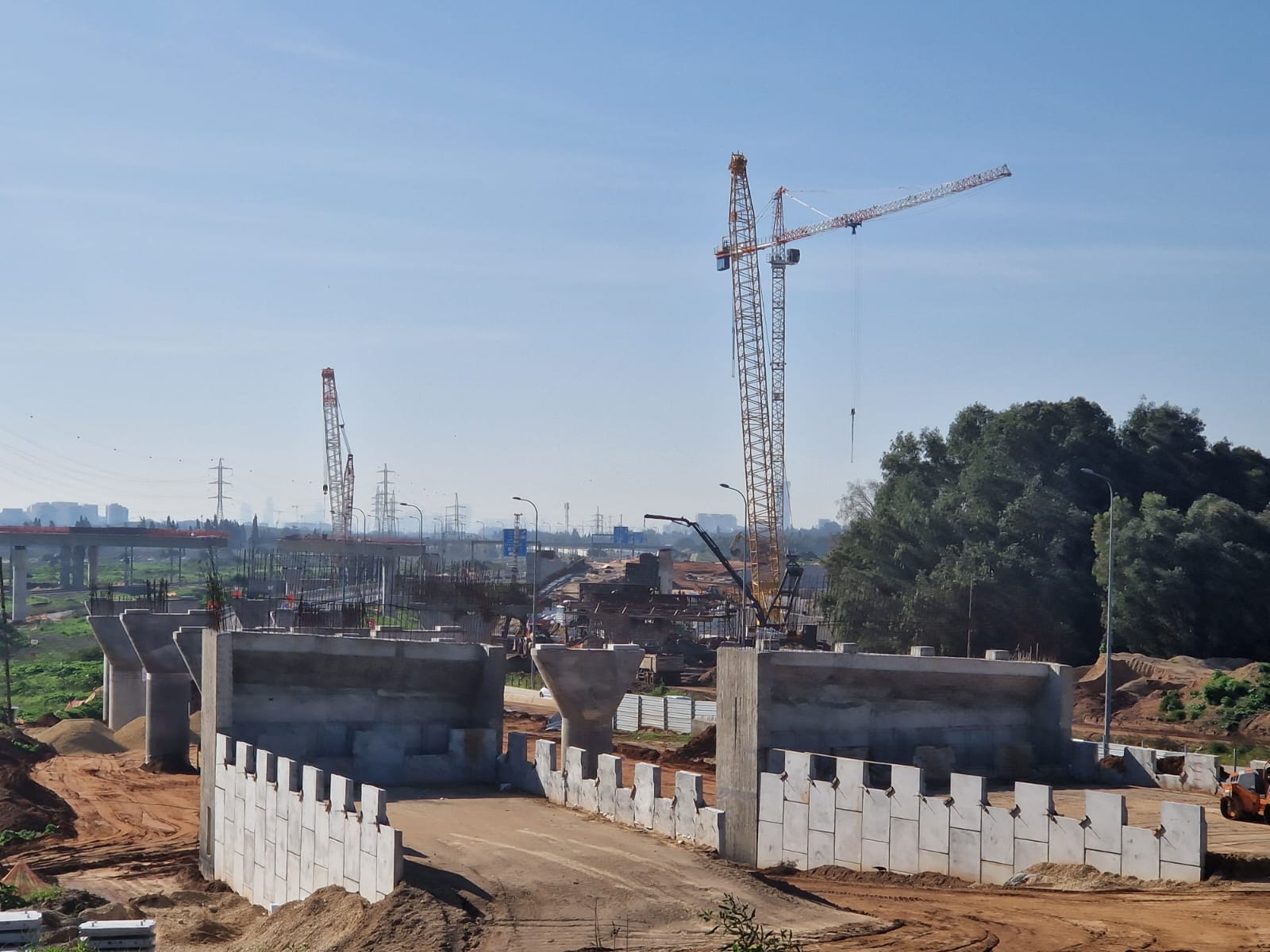
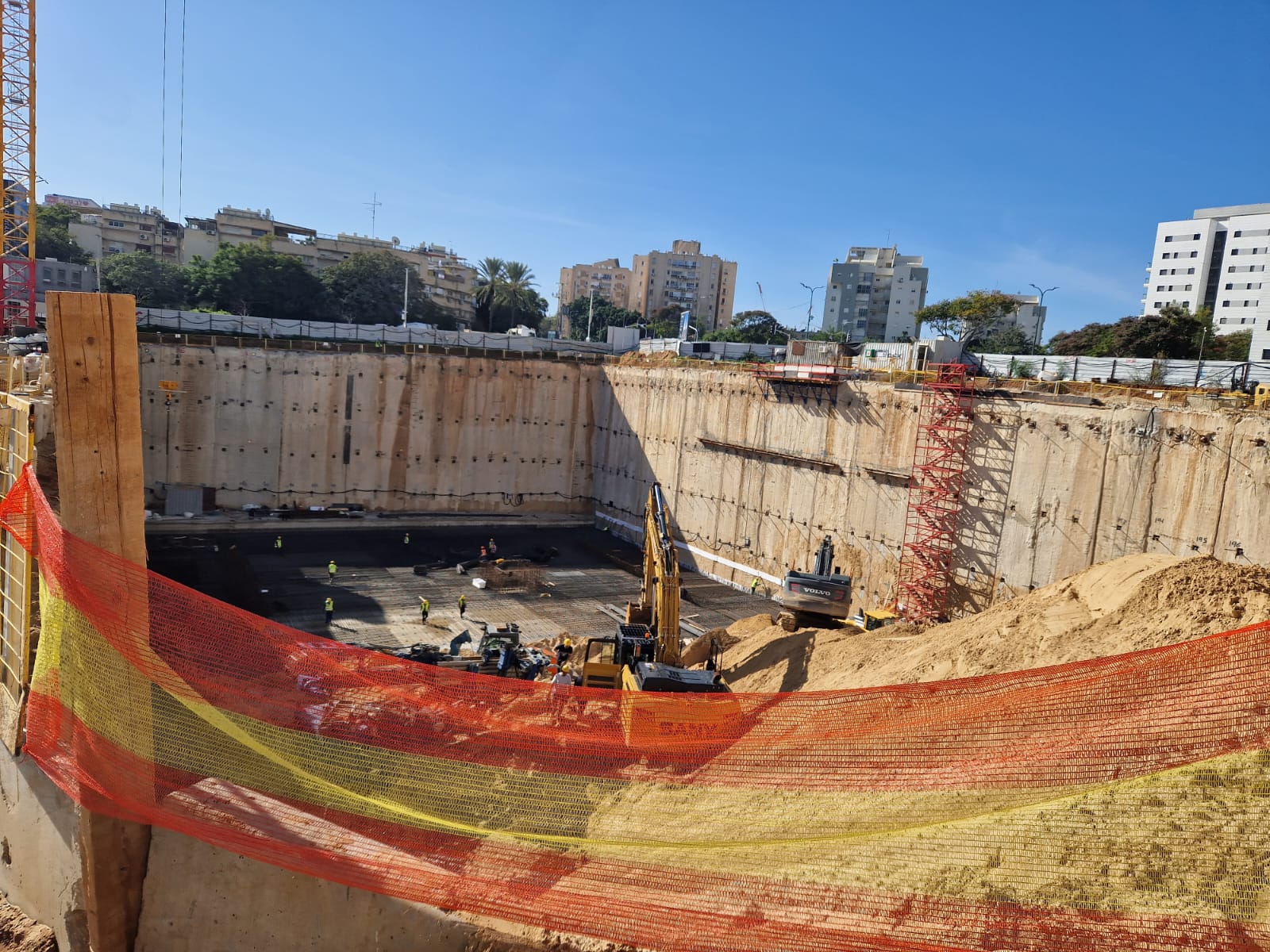
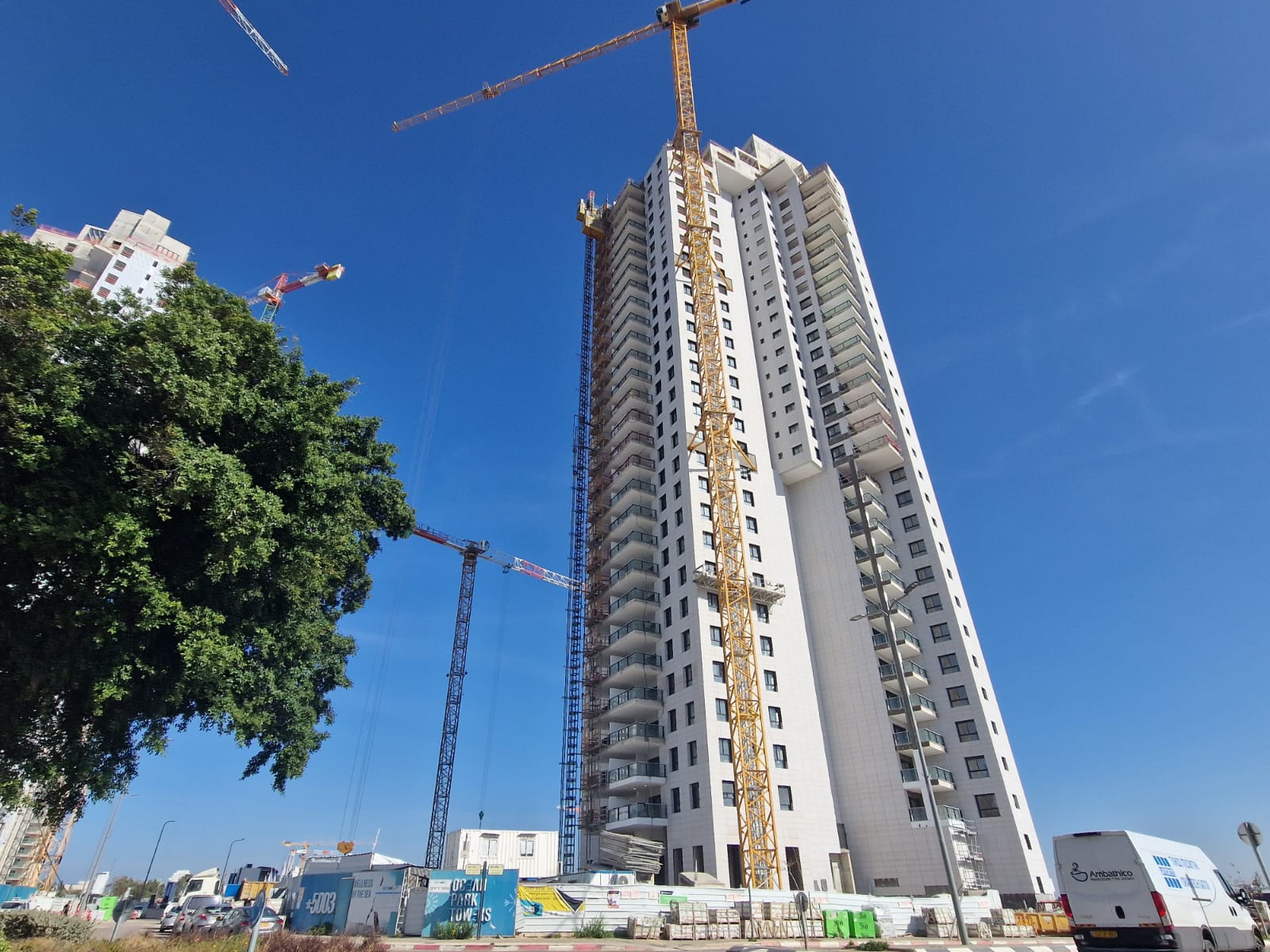
concrete screw in direct fastening TFE – installed in the projects centuries across Israel

The construction and the construction of the hill of Samuel

The Caesarea Golf Merga Project

The Federillon Alcana building

Route 54

The Spinal Car

The tower of the tower is a sway.

The ACR Hall

Landmark Da Vinci←

Victory Bochman intelligence←

The cavalry of Haifa←

State Square←

The parking lot.←

LYFE←

Alfa Tower←

First Sir←

The Wine City←

A new oasis.←

The da Vinci Ashram←

The Miracles of the Sun←

Manhattan is a path.←

Road 85 Carmiel←

The Siglial neighborhood in Beer Sheva←

The 1000-headed complex.←

Touch well 7←

Greece is making a place.←

My grandfather was sleeping.←

Hanukkah parking and Jerusalem←

Science Park is a Suspicious Miracle←

Young towers in Tel Aviv←

Red in the Jerusalem Wall←

The Field of 206←

Ram Tower Jerusalem←

The Greek factory is rotting – the tycoon←

Ben Gurion 11 Streets←

The Dawn Tower in the Hills←

Park Ofer←

cavalry of Herzliya←

Home in the Heart←

It is proper that a convert to housing for your part.←

The Northern Invasion←

Mobileye←

Expanding the Fed Institute←

The Museum of Culture Intelligence←

In the shadow of Jerusalem←

First defense to sign←

Alcatraz on the sea at sea←

Moving Walls of concrete Road 531 from Gadiel←

Microsoft Hertzlya←

The disgraceful Stern←

Hotel for the garden.←

The penthouse of Tel Aviv←

The Rubinstein Towers←

A house of Shaan←

The streets←

The Sea Court←

Sea-Old Sea Park←

A retired man from his house, Ramla.←

A righteous oasis on the sea.←

Agonizing system against the page←

The Hospital of Levinstein←

Rotschild Meier Tower←

Tower at S.R. 3 3←

New streets by Danny Savibus←

The sea gate is in←

Ministry of Justice Jerusalem←

Arlozorov 17 Tel Aviv←

Investments in the sand←

Oh, the room.←

Iron 5 people in lightning←

The Tel Aviv←

The Yukni Bridge←

The waterfall of the room←

The Jerusalem Intelligence Train←

Park in the No.←

Dreams of the First Laudible←

Alcatraz Ramla←

The Street Science Park←

The Tower of David Tel Aviv←

Glob City Village Grandpa←

The Carmel Tunnel←

The Haifa Stadium – Sammy Ofer←
What is concrete screw?
concrete screw is one of the smartest solutions in the anchoring world and the building. Unlike traditional genes requiring external nylon plug or chemical material, concrete screw for direct fastening The “cut” operation of the Brig directly into the concrete drilling walls, creating a strong and accurate mechanical lock – without complicated preparation stages.
The Great Advantage: The speed of work, high precision and reuse capacity can be removed from the screw and returned to its place without damaging the strength anchoring Q1. This is a unique feature that has no replacement in the area of anchoring molds.
Where do you use concrete screw?
concrete screw is used for a wide range of engineering applications, from the keyboard to the most heavy:
anchoring Systems and Infrastructure
Tablets, Spartalers, electricity, plumbing, ventilation and ionizing systems
Heavy construction
residential towers, campgrounds, marcials and tunnels – dynamic and statistical loads
The feet of the molding
anchoring can be removed and returned between casting and casting without damage to strength
Temporary connections.
Temporary hurdles, temporary buildings and interim sensors in the construction phases
Screen Walls (Curtain Walls)
anchoring Screen Walls for concrete – Engineering accuracy and long-term resistance
Easy gardeners
You hung signs, paintings, frames – fast and reliable without chemicals.
concrete screw TF – The Leading Technological Solution
concrete screw ADIT TF It is one of the leading global market segments, produced by a Spanish company considered one of the largest anchoring systems in Europe.
approval Sea and Standards – Your Card for Safe Building
ETA6 – concrete Druck and Klute
C1-C2 – earthquakes
CSIC – Sprinklers
A happy Fire Standard
- The ETA1 standard The approval is the most rigorous to mechanical anchors in Europe. The approval is full of use in Cracked concrete and non-Cracked concrete.
- The ETA6 standard approval is unique to work in concrete Druze and Spancrete, which allows anchoring to direct such surveys without any additional materials.
- approval C1-C2 – It is critical in Israel as an active seismic region. C1-C2 categories refer to the strictest anchoring requirements.
- approval CSIC certificate, which allows official use of the anchoring firefighting systems, with full engineering responsibility.
- resistance in Bombs static, semi-static, dynamic and suddenly melted loads.
concrete screw – TF, TH and TX: What is the difference?
Choosing the right coating for the concrete screw is an important engineering decision no less than the selection of the diameter and length. The series is available in three different environments.
TF – Cold balloon (Basical coating)
Electrolyte salmon of 5 microcosmThe right for dry internal environments. resistance is typical of about 96–200 hours in the Salt Fog cell according to ISO 9227. It is usually suitable for internal construction applications.
TH – Atlantis C3-M (Highly improved)
This is the advanced version that comes with a coating. Atlantis C3-M – Organic coating from a layer specially developed for screwcakes around aggressively. He is Not not Ordinary hot balloon (HDG) and not a simple cold pill.
Atlantis C3-M – 3 layers
| layer | Material | thickness. |
|---|---|---|
| 1 | Electrolyte (Zinc plating) | 5 microns |
| 2 | Chemical conversion (Passivation) | 1 microcosm |
| 3 | Apocalyssin – 2 consecutive layers | 14 A total microgen. |
| Totally. | 20 microns |
Atlantis C3-M
The dust of salt.
(INDEX)
First (Azterlan)
Atlantis vs. Hot pill (HDG) 45 microns
Although a hot glories are twice thick, Atlantis C3-M It costs him at resistance for the Colossia.:
| Testing | Atlantis TH | HDG 45 microbin |
|---|---|---|
| ASTM-B117 – 1,440 hours in water | ⁇ nearly without corrosion | ⁇ corrosion is very evident |
| ASTM-G85 – 1,440 hours | Excellent situation. | ⁇ corrosion is very evident |
| ISO 9227 – The Fog of Salt | ⁇ >600 hours | -400 to 500 hours |
Why is Atlantis better than hot balloon?
- The Fox layer creates A physical barrier Water and oxygen – unlike a zinc that works “correct”
- There is no change in difficulties or structure from a metalgic – a low temperature production process (not 4 ⁇ C+ as in hot glories)
- No No No No No No No No No No No No No No No No No No No No No No No No No No No No No No No No No No No No No No No No No No No No No No No No No No No No No No No No No No No No No No No No No No No No No No No No No No No No No No No No No No No No No No No No No No No No No No No No No No No No No No No No No No No No No No No No No No No No No No No No No No No No No No No No No No No No No No No No No No No No No No No No No No No No No No No No No No No No No No No No No No No No No No No No No No No No No No No No No No No No No No No No No No No No No No No No No No No No No No No No No No No No No No No No No No No No No No No No No No No No No No No No No No No No No No No No No No No No No No No No No No No No No No No No No No No No No No No No No No No No No No No No No No No No No No No No No No No No No No No No No No No No No No No No No No No No No No No No No No No No No No No No No No No No No No No No No No No No No No No No No No No No No No No No No No No No No No No No No No No No No No No No No No No No No No No No No No No No No No No No No No No No No No No No No No No No No No No No No No No No No No No No No No No No No No No No No No No No No No No No hydrogen beer (Hydrogen Embrittlement) – a typical problem in the normal electrolyte glories
- Less corrosion glucoani in contact with other metals
- resistance for Dissertation and Bases – relevant in concrete with high-pHRG
- Without Friday, the rules are set. ReACH and RoHS
concrete screw TH suitable for outdoor environments, sea, high humidity and projects are exposed – corrosion categories C3 and above.
TX – SS316/A4 (especially aggressive environments)
concrete screw TX is made of the SS316 (A4) full, suitable for marine environments, swimming pools, hospitals, food industry and aggressive chemical conditions.
A range of concrete screw TF
| The model | Head | Main Use |
|---|---|---|
| TFE / THE / TXE | Head of Box (Snow) | General use of heavy anchoring |
| TFA / THA / TXA | Head of Connomin (Countersunk) | Flat connections, without prominent |
| TFT / THT / TXT | thin head (truss) | Connecting with tracks and profiles |
| TFP / THP / TXP | Head of button (pan) | Wide connection areas |
| TFS | threaded rod (stud bolt) | Connecting with an external mother |
| TFM | The common ga (hanger male) | hanging and waiting. |
| TFF / TXF | The internally threaded anchor (hanger female) | Conversible |
| BTeye2 | (See) by Eye Run | The High-High Safety Organ – EN795 |
Why buy concrete screw TF through Adit?
Professional and Experience
Company Company Company Company Adit Ltd It has been operating in the Israeli market since 2006, with over 18 years of experience in anchoring solutions. The technical team specializes in engineering consultancy to select the right screw for all project.
True technical service
- Advice to choose the model, the diameter and the right length.
- files, Technical data and ETA Certificates for immediate download
- Supporting complex projects includes engineering calculations
- Escorts of better tests on the ground
presence in large projects
anchor screw TFE for Spancrete ceilings (Spancrete) and concrete Druck
The anchor of the screw ADIT TFE Representing the Technology front in the direct mechanical anchoring. Unlike arrow or pelvictors, the screw anchor is directly screwed into the concrete fever, while it creates an accurate inner vector in the infrastructure body and ensures optimal loads of loads without creating half excessive expansion.
approval International Sea and resistance in Fire
The anchor holds the strictest European standard. ETA anchoring in Cracked concrete and Un-Supted, and is also approved for use in multiple points systems (Redundant Non-structural Systems) for infrastructure steeping applications, fire-fighting pipeline, modular partitions and electrical and air conditioning. Another critical feature of the TFE is resistance and official fire in extreme fire scenarios (classification of the classification) R120It allows him to maintain structural integrity and the ability to load for two hours of high temperatures exposure.
Dedicated performance in Spancrete ceilings (Spancrete) and comparison to female players
anchoring Al-concrete Drucking trolls (Swild/Shinkrit) poses a complex engineering challenge, due to the thickness of the limited lower shell and the absolute need to avoid damage to the internal exclusion cables. The screw TFE anchor (with the approved 5 and 6) excels in this application, thanks to its direct screw capacity that produces a reliable mechanical lock in the thin concrete cortex without operating a semi-circulatory interval that endangers the whole ceiling.
In order to enable planners and contractors to have a precise choice of the most appropriate solution to the specification, here is a comprehensive technical comparison between the screw TFE anchor and the HC-type anchoring and HC-type anchoring solutions that are also marketed by Adit:
| Technical characteristic/ parameter | ADIT TFE (5, 6) | ADIT HC | ADIT HE-HC |
|---|---|---|---|
| The anchoring technology | direct fastening to concrete | The sleeve is expanding (canba) | The anchor of the snail/snail (snail) |
| How to get the lock | An internal mechanical ovation in the concrete body | The snow in space or in the thin shell | Expansion of the sleeve is controlled by an internal penis |
| Installation, Dissolution, and Reuse | Completely and happy to reuse (Re-usable) | Permanent in the infrastructure, only the male screw that is fun. | Permanent in the infrastructure, only the male screw that is fun. |
| approval is official for the ETA. | (Five and 6th as per European standard) | (A dedicated and happy anchor for hollows) | (Yes, an illuminated version adapted to Spancrete) |
| resistance Happy Fire | Yes, the R120 classification. | Happy Efectis R2014 | Happy Efectis R2014 |
Advantages revolutionary installation for work at height
One of the most prominent Advantages of the TFE in the field is reflected quickly and in the simplicity of the application. The installation is carried out in one direct bell: the codes, the slicking the fever, and burying the anchor with the proper Impact key.
The need for special opening. (To distinguish traditional pyreggens) dramatically reduces the effort of workers and tiredness in prolonged work on fibros or hanging details above the head.
Details of the size and diameter
The anchor is available in a number of fully-fitting locomotives required in project, when the TFE5 requires drilling 5mm, and TFE8 requires drilling 8 mm respectively, allowing time savings and drill bits in the area.
TFE8 – drilling 8mm
Happy ETA to Cracked concrete
resistance Fire R120
Common Questions about concrete screw
The Chemical anchor advantage: The performance of a higher attraction in broad drills and weak concrete.
Frequently Asked Questions
What is the difference between a concrete screw and a chemical anchor?
A concrete screw cuts its thread directly into the drilled hole and forms a mechanical lock – with no chemicals. A chemical anchor uses a resin (epoxy, vinylester) that fills the hole.
Concrete screw advantage: installation speed and re-usability. Chemical anchor advantage: higher tensile performance in wide holes and weak concrete.
Can a concrete screw be removed and re-installed?
Yes – this is one of the central advantages of the TF. It can be removed, adjustments made, and re-installed without materially compromising the strength of the anchorage. That makes it the ideal solution for anchoring formwork legs.
Is the concrete screw suitable for cracked concrete?
Yes – the TF holds an explicit ETA approval for use in cracked concrete, with calculated load values for both conditions. This is a critical requirement for projects built to European and Israeli standards.
What is the difference between TF and TH?
The two are technically and geometrically identical. The only difference is the coating: TF is zinc plated, for indoor use; TH carries the Atlantis C3-M coating with corrosion resistance C3 and above, for outdoor, coastal and humid environments.
What is the difference between TF and TX?
The TF is made of grade 8.8 steel with a coating, while the TX is made of solid SS316 (A4) stainless steel. The TX suits especially aggressive environments: marine, swimming pools, hospitals, the food industry and chemical conditions.
Is the TF concrete screw approved for earthquakes?
Yes – the TF holds a seismic approval in categories C1-C2. In Israel, projects in the Jordan Valley, the Dead Sea area, the Negev and other regions are considered at-risk zones and require anchors with this approval.
Which lengths and diameters are available?
The TF is available in diameters of 5, 6, 8, 10, 12, 14, 16 and 18 mm, in lengths matched to each diameter. For example, the TFE6 needs a ⌀ 5 mm hole, and the TFE8 needs ⌀ 6.5 mm. The full range is in the official technical data sheet.
Is the TFE anchor approved for fire resistance?
Yes – the TFE holds an official fire-resistance approval in class R120 (approved by Efectis), guaranteeing structural integrity and load-bearing capacity for two continuous hours in extreme fire scenarios.
Which TFE sizes are approved for hollow-core (Spancrete) slabs?
The only officially approved sizes are TFE5 and TFE6, matched to the thin lower shell of a Spancrete slab without damaging the internal prestressing strands.
What is the difference between the TFE and the HC and HE-HC female anchors?
The TFE is a male anchor that threads directly into the concrete, forming an internal mechanical thread, and can be fully removed and re-used. The HC and HE-HC are female sleeve / hammer-set anchors that stay permanently in the base material after installation – only the male bolt that screws into them can be removed and replaced, not the anchor body itself.