


TH Concrete Screw – Atlantis C3-M Coating
The same screw and the same approvals as the TF — with a multi-layered organic coating that outperforms hot-dip galvanising in durability, for outdoor, coastal and humid environments.
The Adit concrete-screw family
Same screw, same ETA approvals — choose the coating to match your environment.
Technical specification
| Property | TH — concrete screw with Atlantis C3-M coating |
|---|---|
| Base material | Carbon steel, grade 8.8 |
| Coating | Atlantis C3-M — multi-layered organic coating, total thickness > 20 microns |
| Corrosion category | C3 and above — outdoor, coastal, high humidity |
| Technology | Direct threading |
| Diameters | 5, 6, 8, 10, 12, 14, 16 and 18 mm |
| Cracked concrete | Yes |
| Seismic loads | Yes — C1-C2 |
| Reusable | Yes |
| Fire rating | Yes — R120 (Efectis) |
| Standards | ETA1 (cracked & non-cracked) · ETA6 (hollow-core / Spancrete) |
Downloads
Proven in the field — selected projects in Israel
The TH direct-fastening concrete screw is installed in hundreds of projects across Israel.
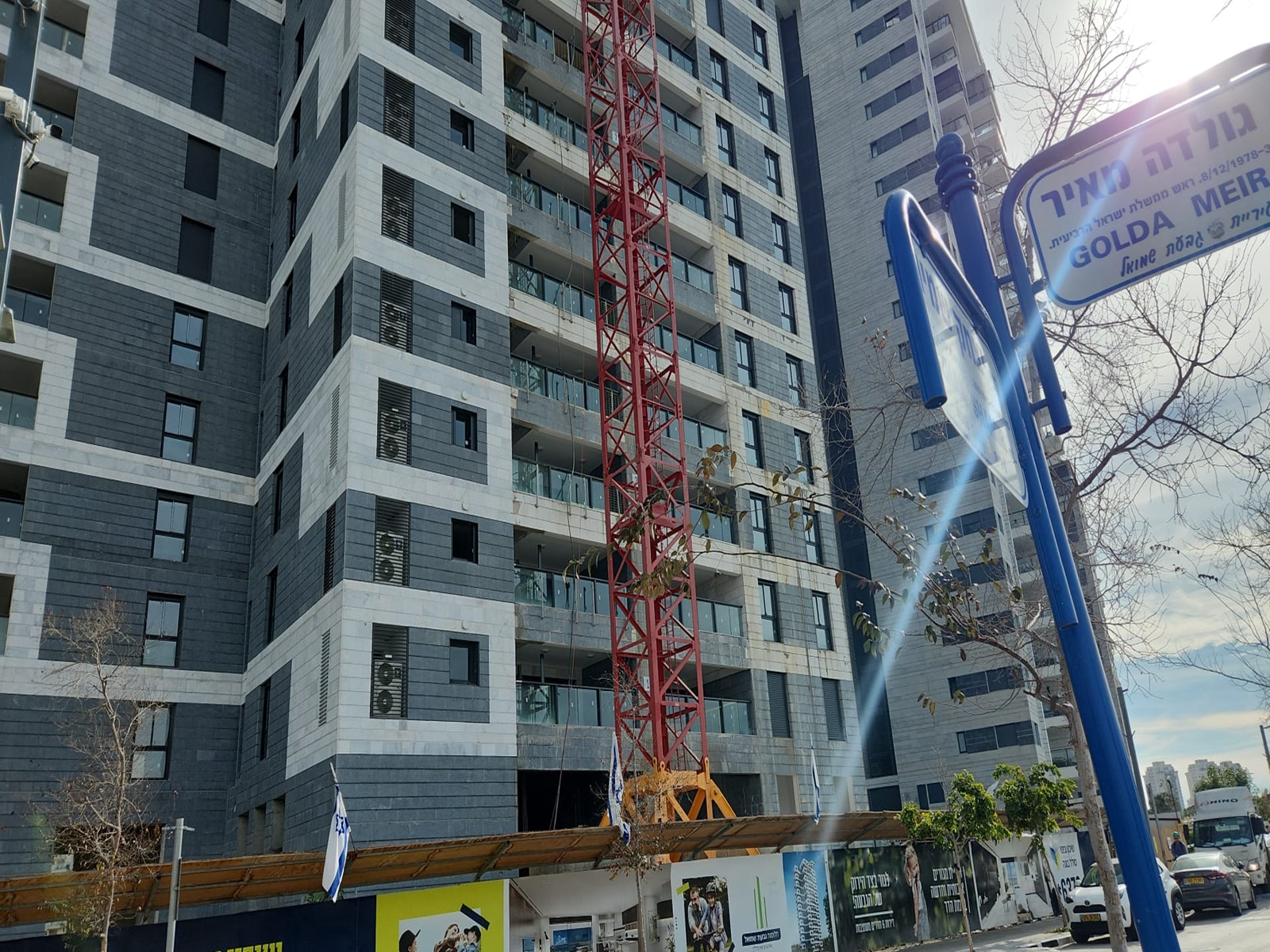 Shikun & Binui, Givat Shmuel
 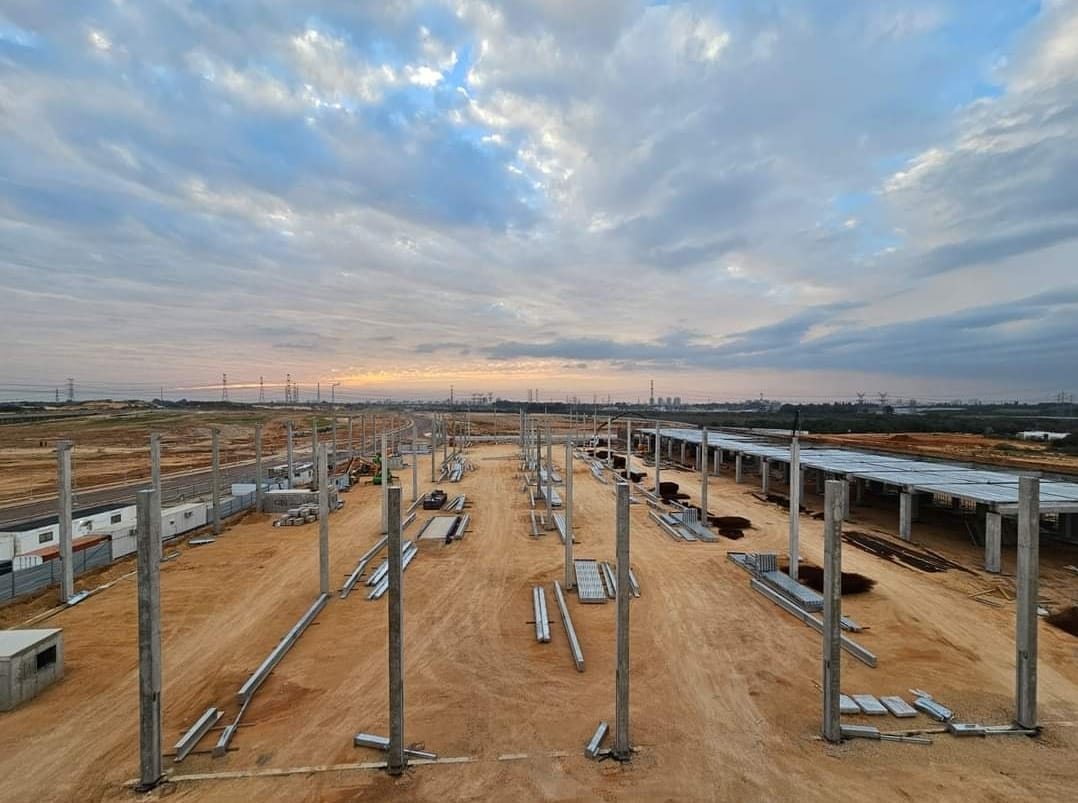 Merlog Golf, Caesarea
 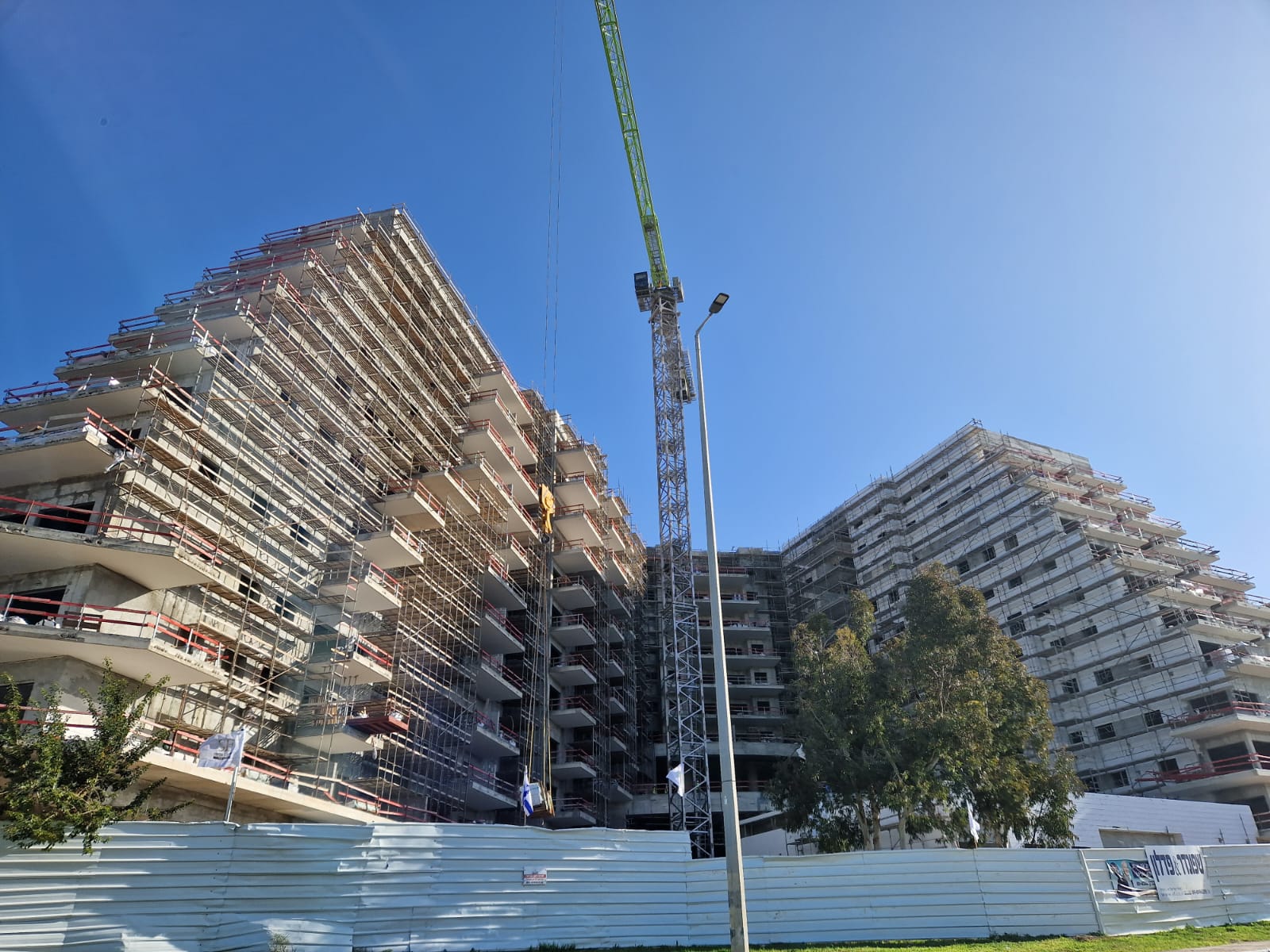 Fadlon building, Elkana
 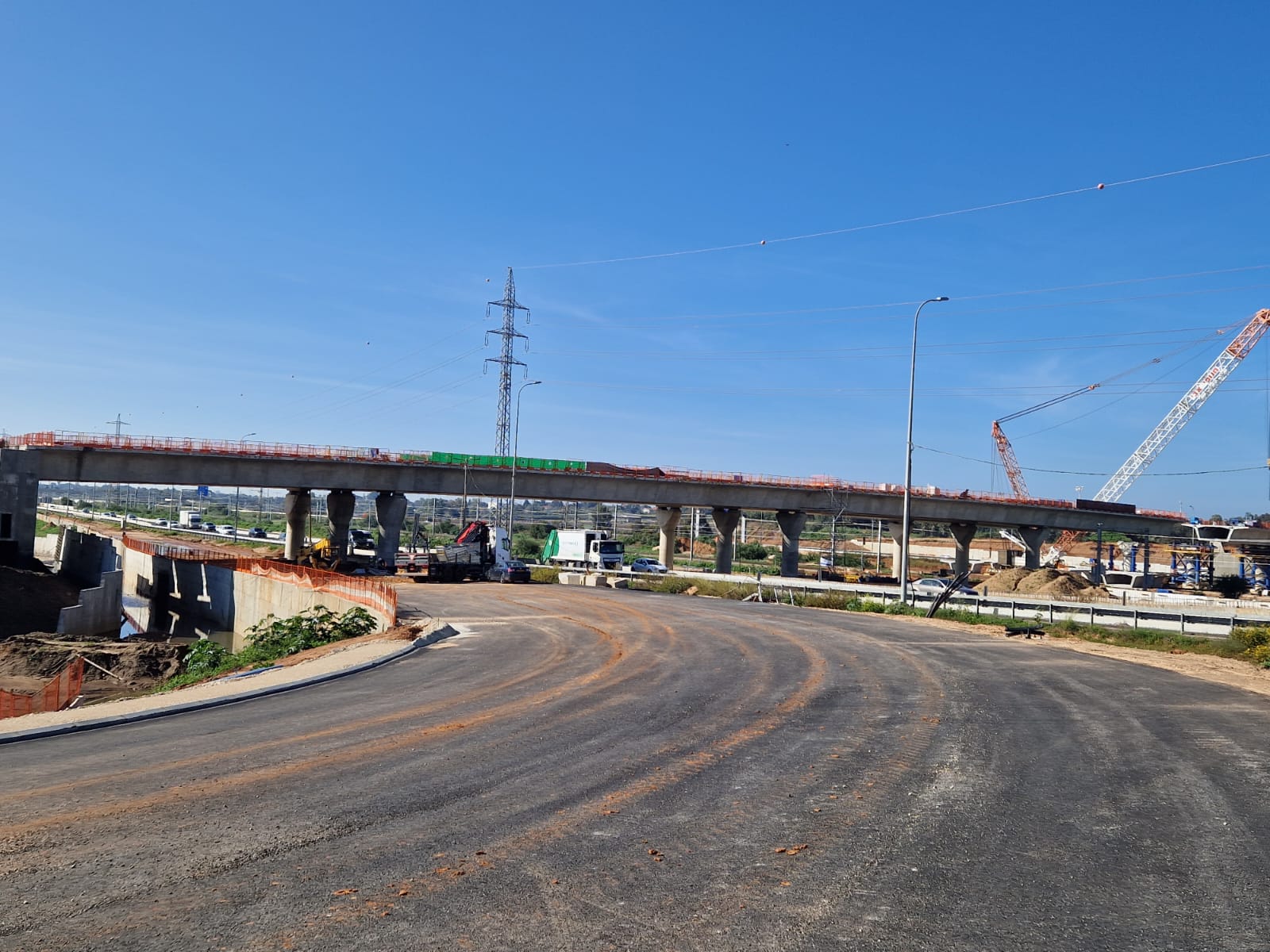 Road 54
 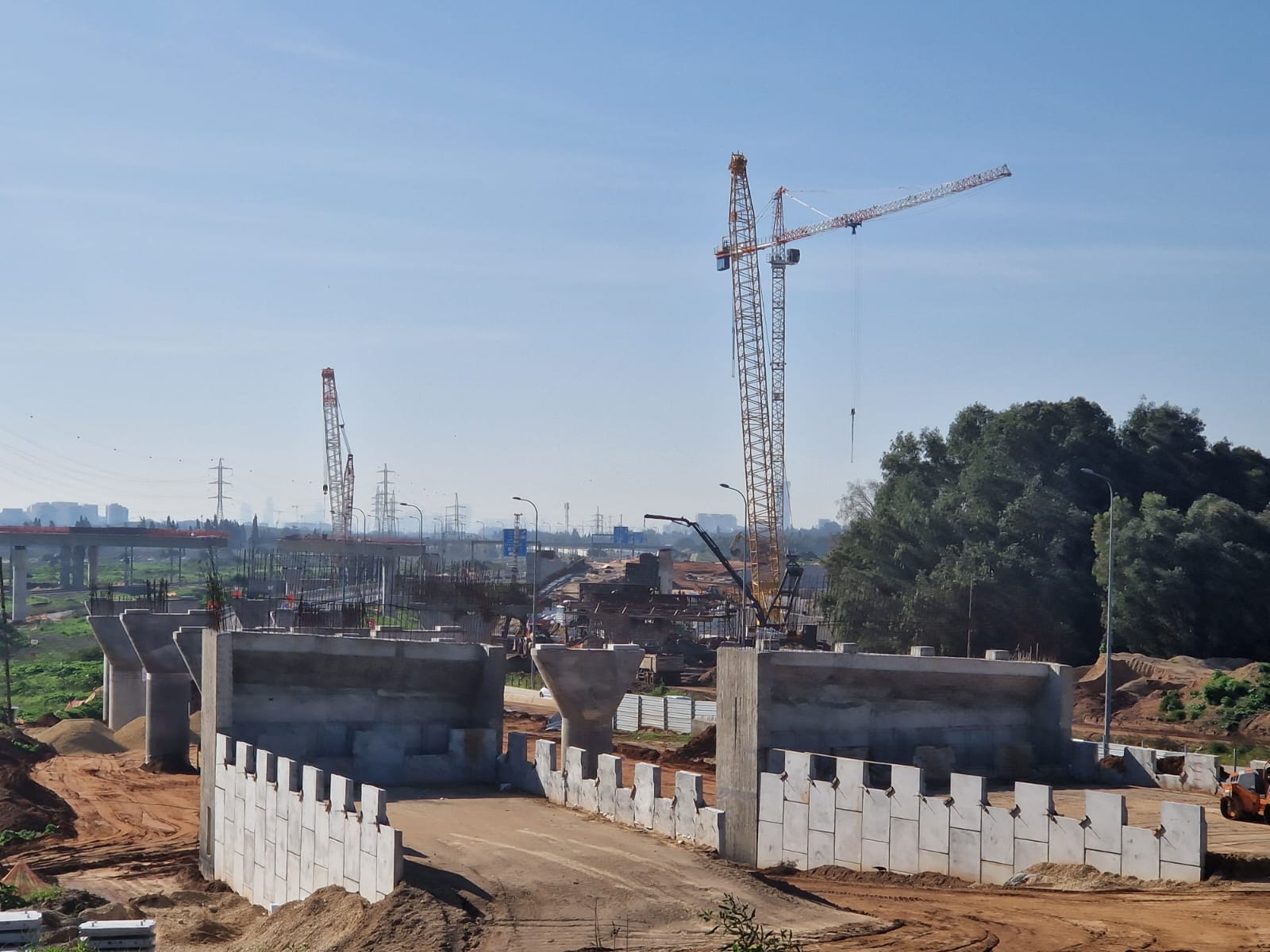 Shefayim parking
 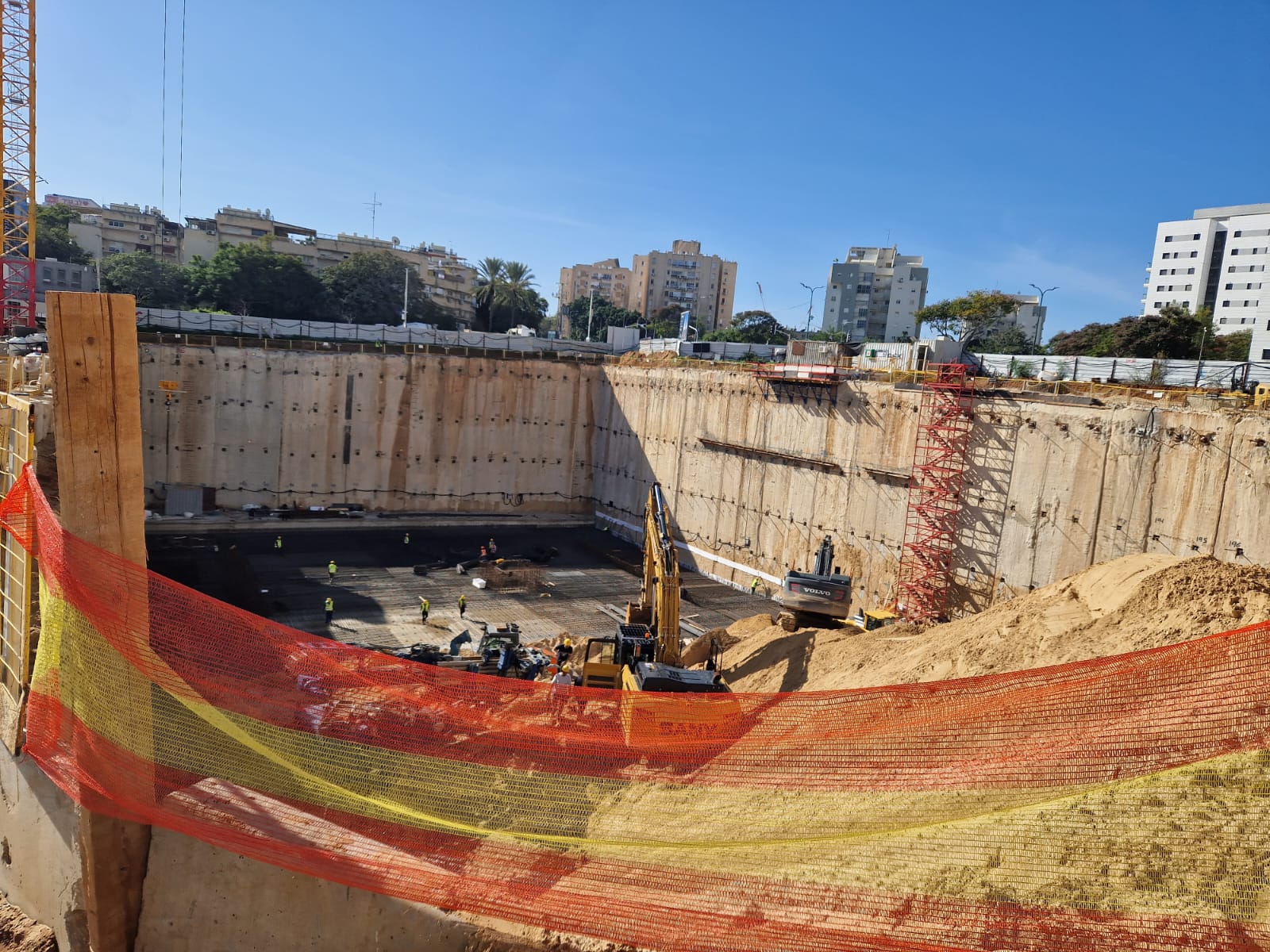 Tidhar Tower, Netanya
 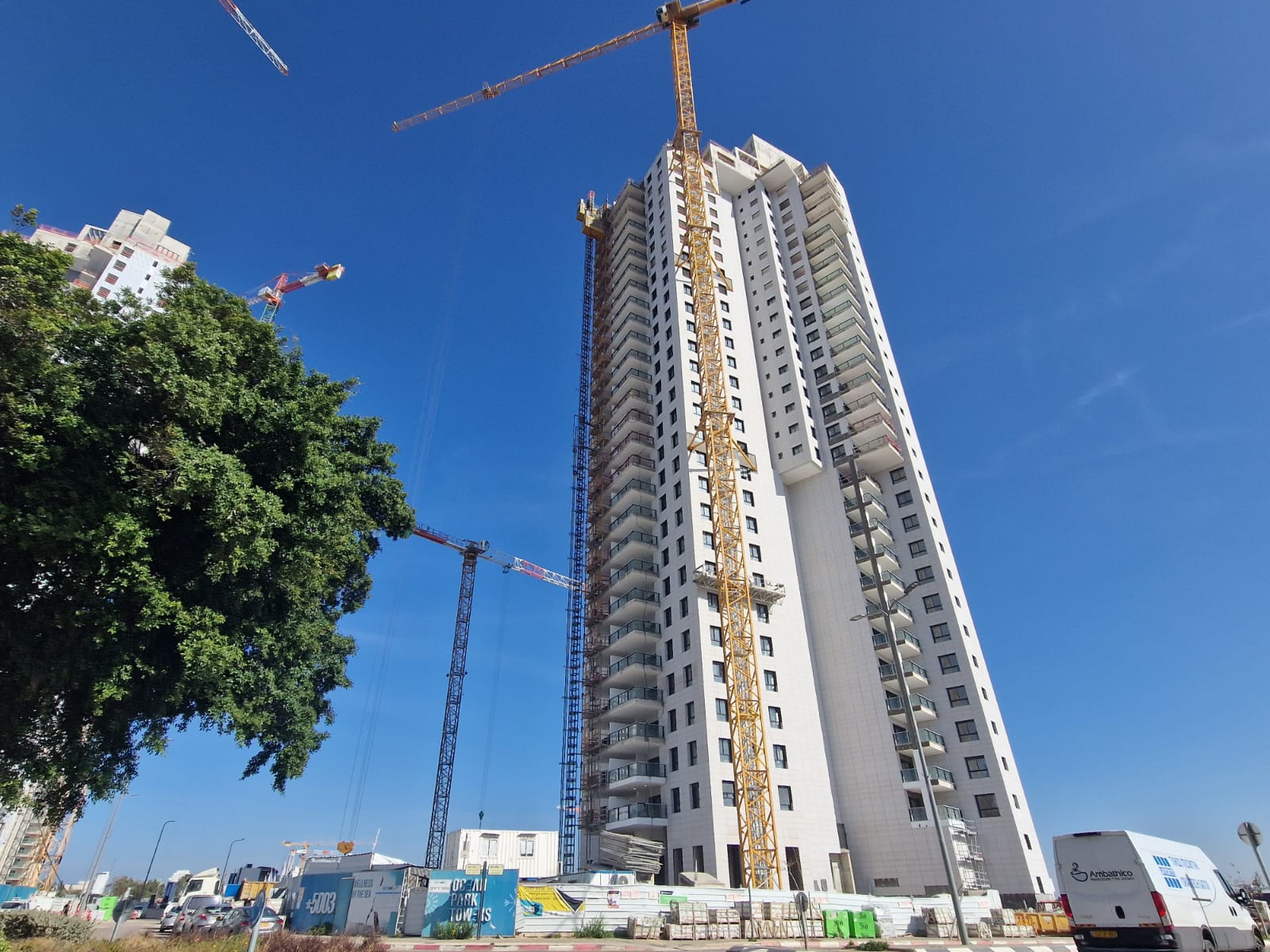 ACR Tower, Netanya
TH concrete screw with Atlantis C3-M coating: the complete guide
The TH is technically and geometrically identical to the TF — the same diameters, the same heads and the same European ETA approvals. The only difference is the coating. The TH is intended for outdoor environments, coastal areas, high humidity and exposed projects — corrosion categories C3 and above. If the anchor sits indoors in a dry environment the TF is sufficient; if the environment is especially aggressive (pools, food industry, chemicals) move up to the TX stainless.
Atlantis C3-M coating — what is it?
Atlantis C3-M is a multi-layered organic coating developed specifically for screw anchors in aggressive environments. It is neither ordinary hot-dip galvanising (HDG) nor simple cold galvanising, but a three-layer system built on the grade-8.8 steel body:
| Layer | Material | Thickness |
|---|---|---|
| 1 | Electrolytic zinc plating | ≥ 5 microns |
| 2 | Chemical conversion (passivation) | ~1 micron |
| 3 | Epoxy — two successive coats | ~14 microns |
| Total | Cured at 180–200°C for 30–35 min | > 20 microns |
Performance: 500+ guaranteed salt-spray hours, 700+ typical (per INDEX), and 816 hours to first red corrosion (Azterlan).
Atlantis vs. hot-dip galvanising (HDG) 45 microns
Although hot-dip galvanising is twice as thick, the Atlantis C3-M coating outperforms it in corrosion resistance:
| Test | Atlantis TH | HDG 45 microns |
|---|---|---|
| ASTM-B117 — 1,440 h in water | Almost no corrosion | Significant corrosion |
| ASTM-G85 — 1,440 h | Excellent condition | Significant corrosion |
| ISO 9227 — salt spray | > 600 hours | ~400–500 hours |
The epoxy layer forms an impermeable barrier to water and oxygen (unlike sacrificial zinc); the low-temperature process avoids any change in hardness and avoids hydrogen embrittlement; and it contains no hexavalent chromium, complying with REACH and RoHS.
Approvals and standards — your ticket to safe construction
- ETA1 — cracked and non-cracked concrete: the most rigorous approval for mechanical anchors in Europe. Full approval for both cracked and non-cracked concrete.
- ETA6 — prestressed and hollow concrete: a unique approval for hollow-core (Spancrete) slabs, allowing direct anchoring without additional materials.
- Seismic C1-C2: critical in Israel as an active seismic zone; C1-C2 are the strictest anchoring requirements.
- CSIC — sprinklers: a certificate for official use anchoring fire-suppression systems, with full engineering liability.
- Fire resistance R120: approved by Efectis — maintains structural integrity and load-bearing capacity for two continuous hours.
- Load resistance: static, semi-static, dynamic and shock loads.
Applications — where are concrete screws used?
- Anchoring formwork: the ability to pull out and re-insert the screw makes it ideal for anchoring formwork legs.
- Overhead hanging: piping, electrical conduit and HVAC — installed in a single stroke, with no extra tools.
- Fire-suppression systems: sprinkler anchoring backed by the CSIC certificate.
- Hollow-core (Spancrete) slabs: direct anchoring to prestressed and hollow slabs backed by ETA6.
- Structural steel and railings: structural connections in cracked concrete, including seismic loads.
- Light anchoring: hanging signs, pictures and frames — fast and reliable, with no chemicals.
Range of heads — the TF series
Same screw, same approvals — in a range of heads for every application. All heads are available in the TH (Atlantis) coating and in TX stainless.
| Code | Head type |
|---|---|
| TFT | Thin (truss) head |
| TFP | Dome / button head |
| TFA | Countersunk head |
| TFE | Hex (socket) head |
| TFM | Combined threaded-rod head |
| TFS | Threaded-rod (stud) head |
| TFF | Female head — internal thread |
| TFJ | Wide thin head |
Frequently asked questions
What is the difference between a concrete screw and a chemical anchor?
Can a concrete screw be removed and re-installed?
Is it approved for cracked concrete and earthquakes?
What is the difference between TF, TH and TX?
Which TFE sizes are approved for hollow-core (Spancrete)?
What is the difference between the TFE and the female HC / HE-HC anchors?
What is the fire resistance?
Which lengths and diameters are available?
Planning an outdoor or coastal project? Tell us the base material, load and environment — our engineers will select the right TH size and send you the ETA data.