

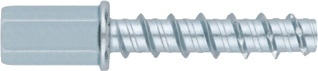
TFF Female-Head Concrete Screw
A direct-fastening concrete screw with an internally-threaded female head — for hanging pipes and ducts, suspension hangers and sprinkler systems. Drill, screw in, then thread a rod, hook or element into the head.
The Adit TF concrete-screw family
Same direct-threading screw and the same approvals — choose the corrosion protection and head that match your job.
Technical specification
| Property | TFF — female-head concrete screw |
|---|---|
| Type | Direct-fastening concrete screw with an internally-threaded female head |
| Base material | Carbon steel, grade 8.8 |
| Coating | Cold-galvanised (TFF); also available in Atlantis C3-M (TH) and in SS316 stainless (TXE) |
| Technology | Direct threading |
| Cracked concrete | Yes |
| Seismic loads | Yes — C1 and C2 |
| Reusable | Yes — fully removable and reusable |
| Fire rating | Yes — R120 (Efectis) |
| Diameters | 5, 6, 8, 10, 12, 14, 16 and 18 mm |
| Standards | ETA1 (cracked & non-cracked) · ETA6 (hollow-core) · CSIC (sprinklers) |
Downloads
Proven in the field — selected projects in Israel
The TF direct-fastening concrete screw is installed in hundreds of projects across Israel.
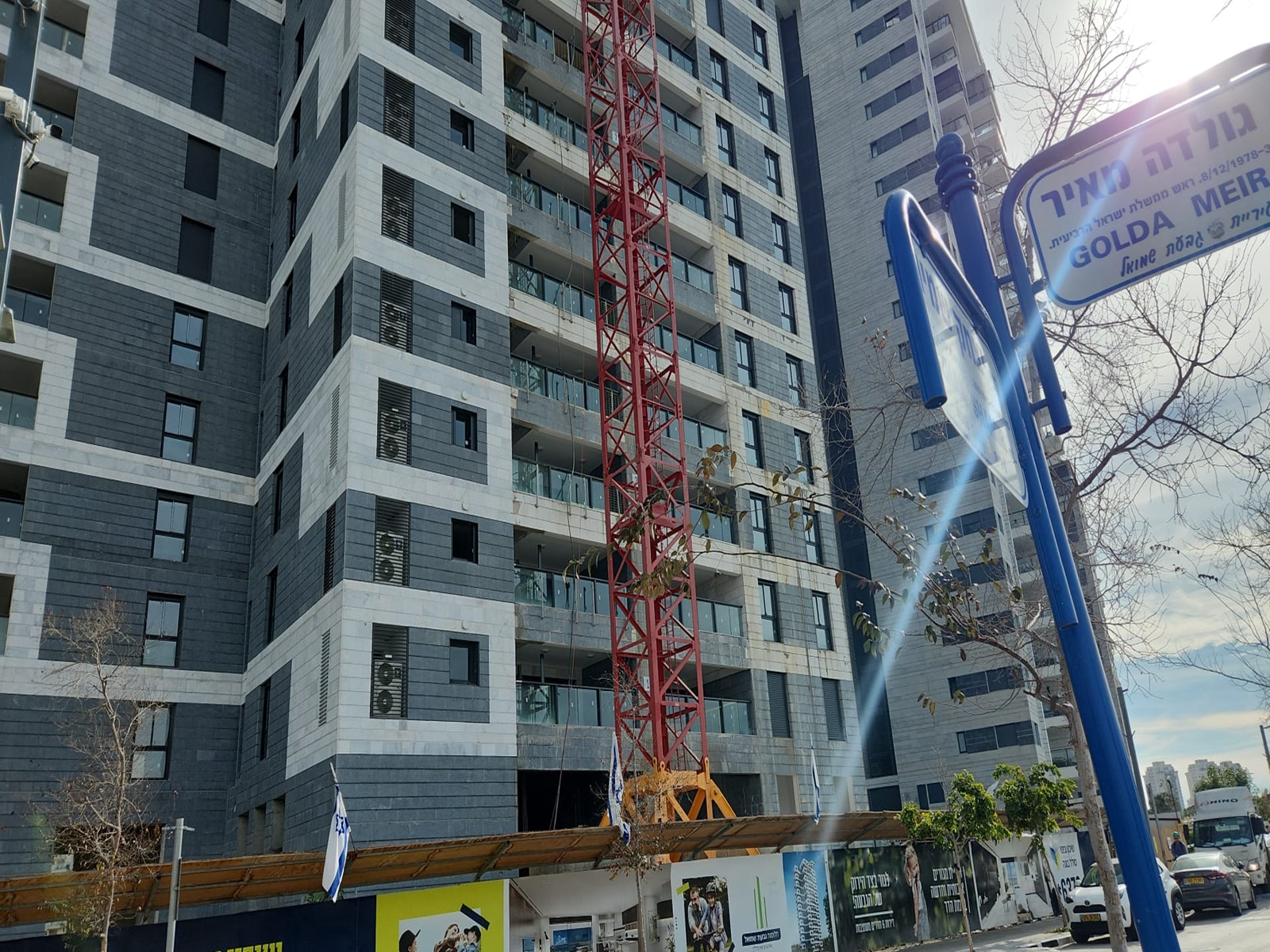 Shikun & Binui, Givat Shmuel
 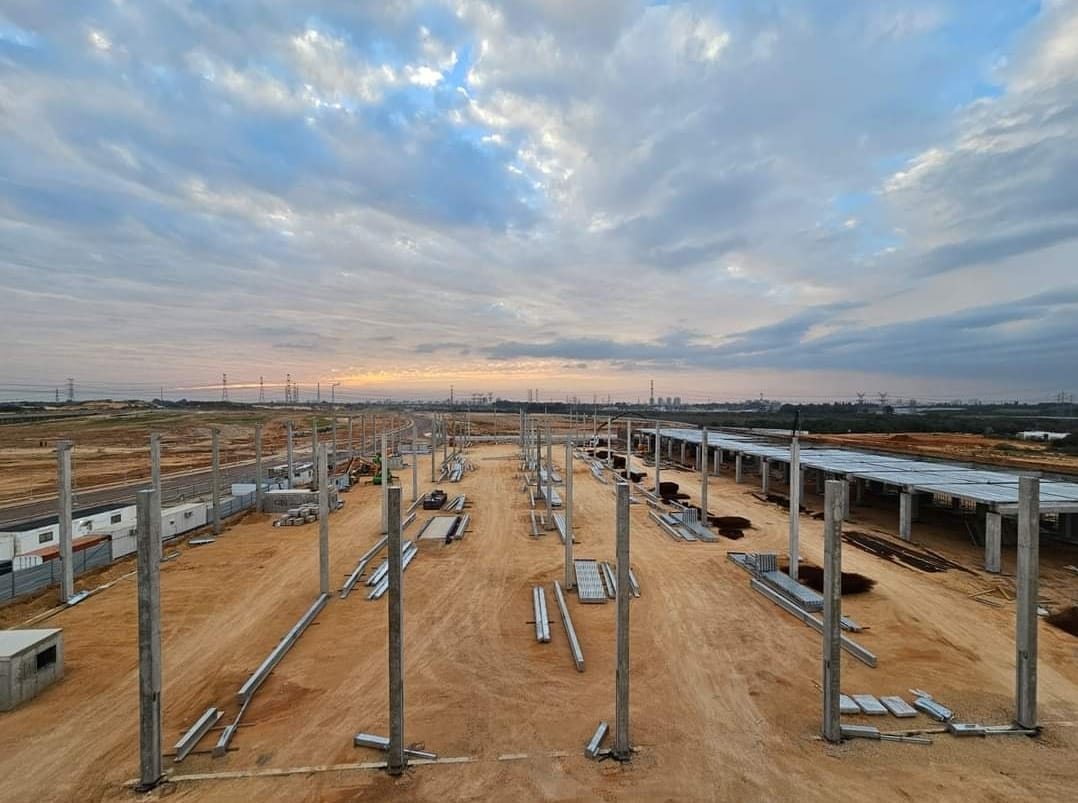 Merlog Golf, Caesarea
 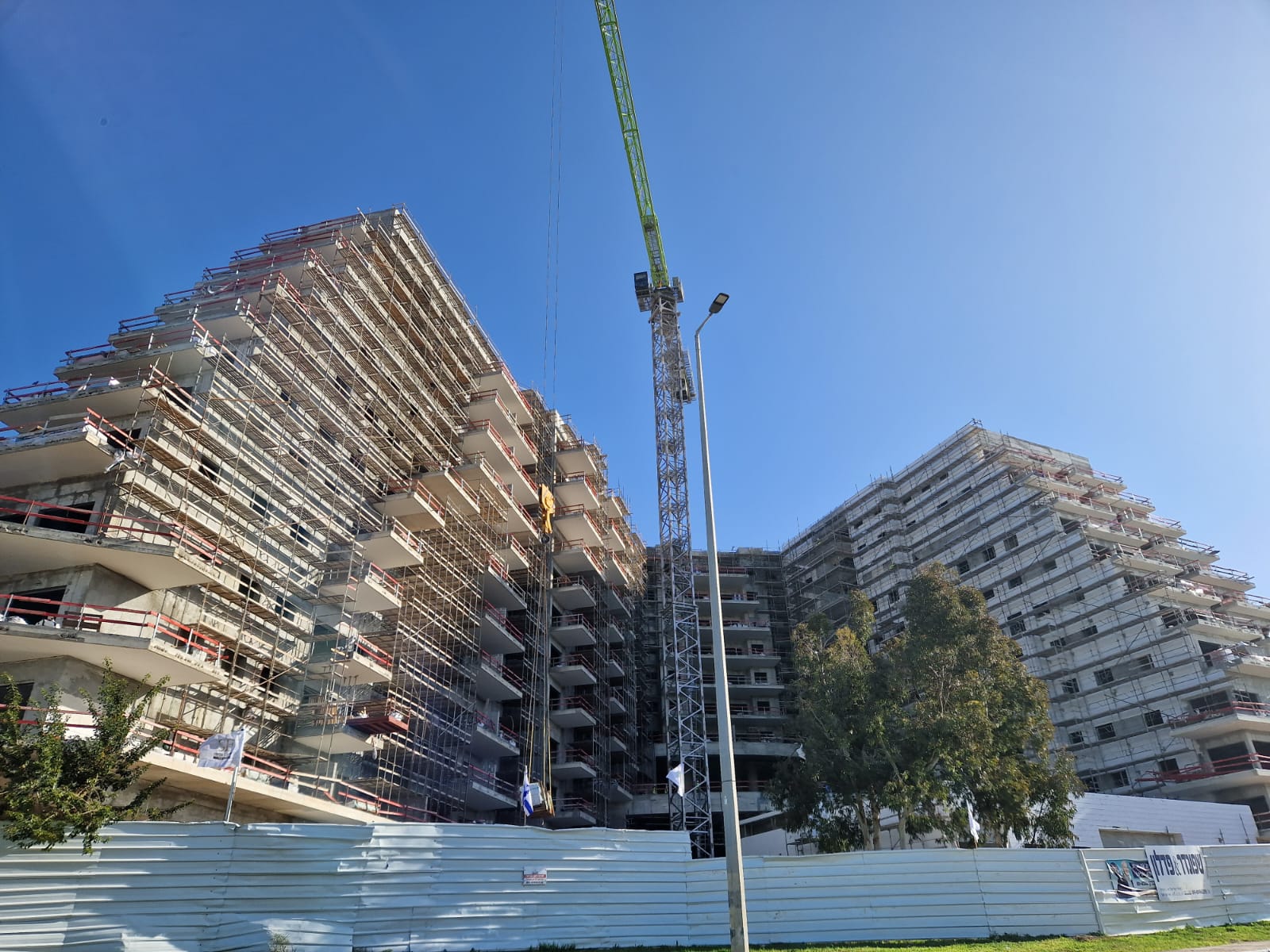 Fadlon building, Elkana
 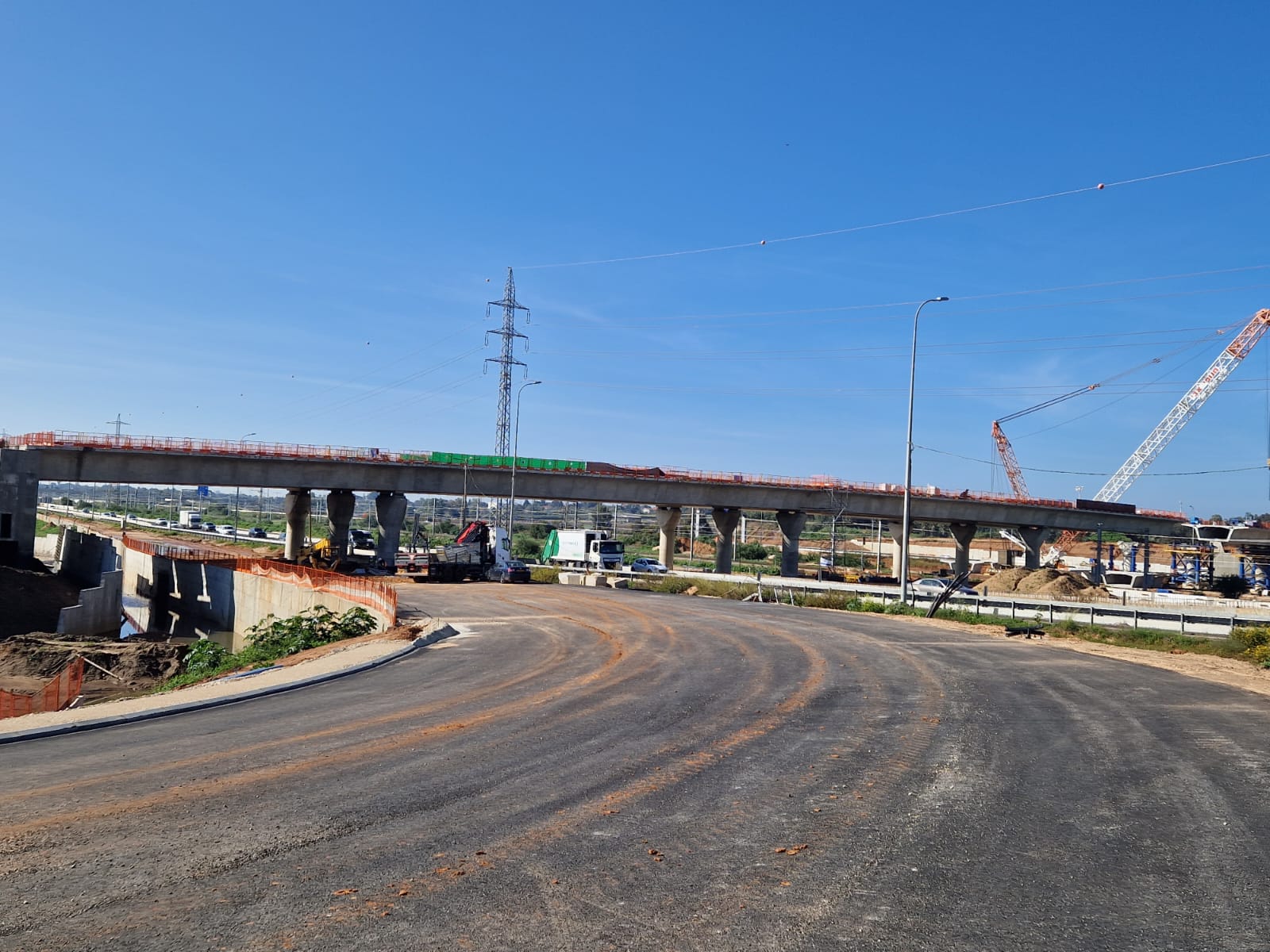 Road 54
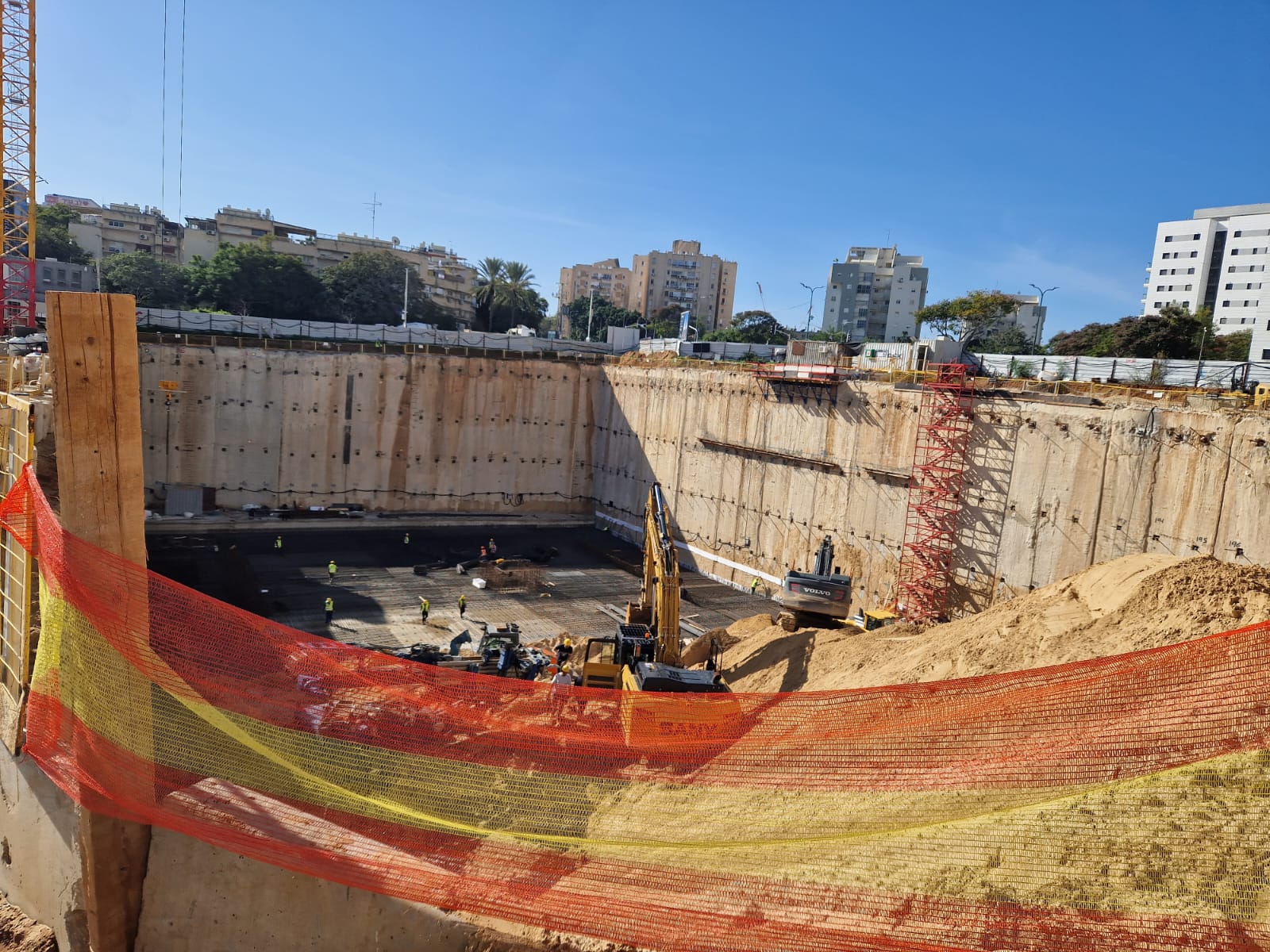
 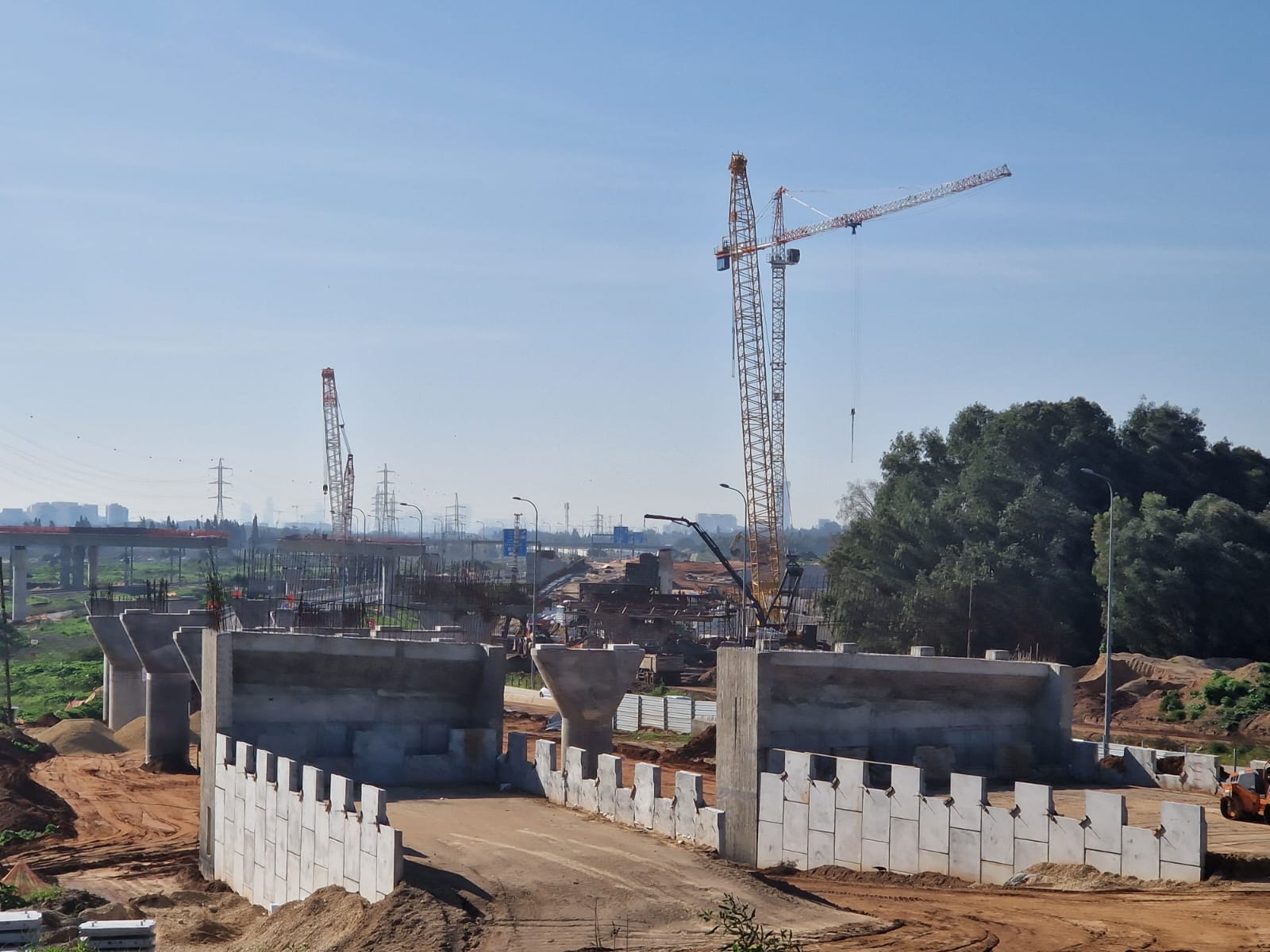 Shefayim parking
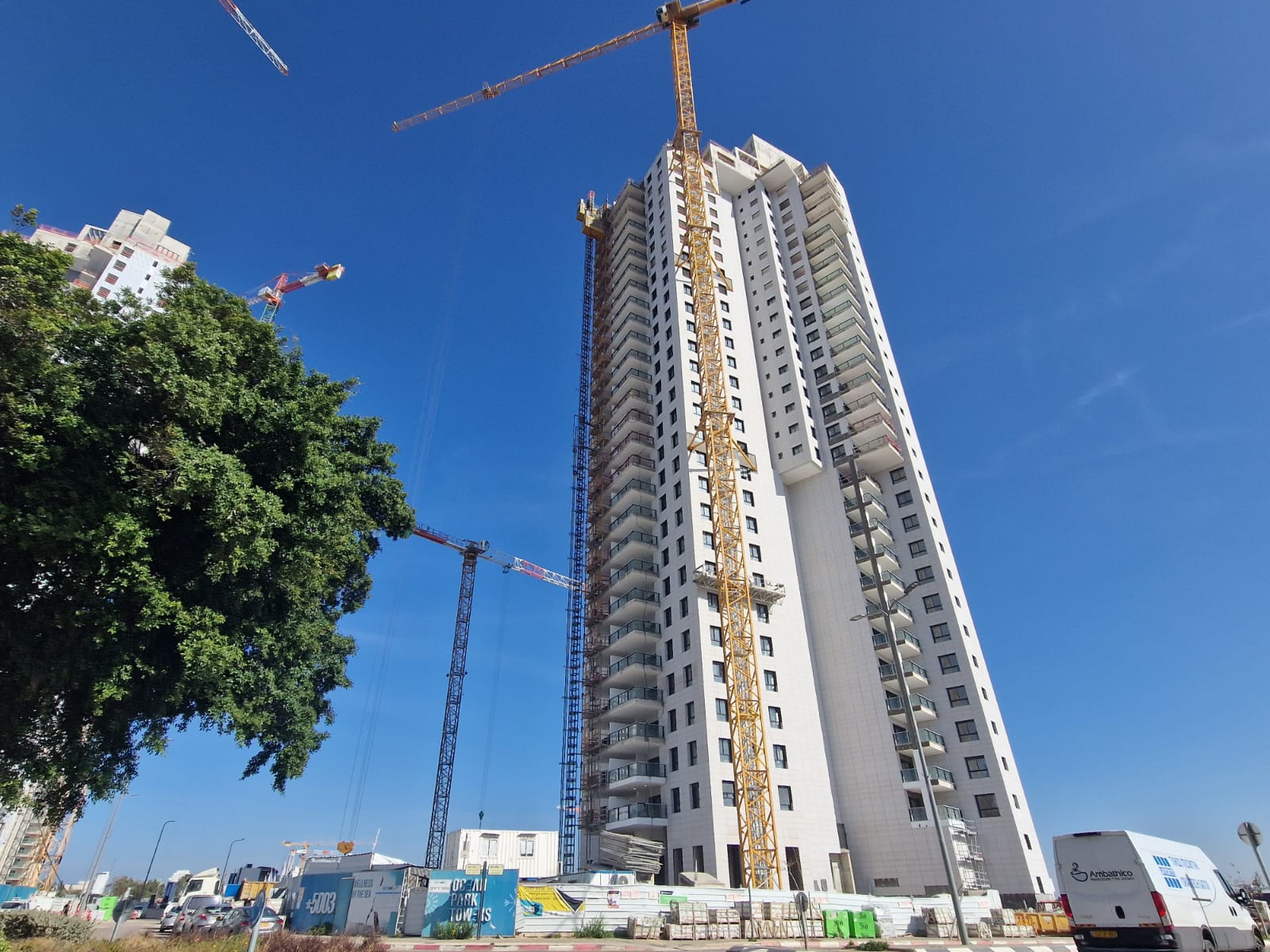
  Tidhar Tower, Netanya
  ACR Tower, Netanya Landmark Da Vinci Victory Buchman Modiin Parshkowsky Haifa Kikar Hamedina Shazar Parking LYFE Bnei Brak Alfa Tower Besar Rishonim City of Wine Ashkelon Road 85 Carmiel Touch Beer Sheva Ram Tower Jerusalem Mobileye Microsoft Herzliya Rotschild Meier Tower Park Ofer Manhattan Netivot Youth Towers Tel Aviv Carmel Tunnel Haifa Stadium (Sammy Ofer) Blast-protection systems Lewinstein Hospital Assuta Tel Aviv Yokneam Bridge Hadera Desalination Modiin–Jerusalem Railway Shafdan Expansion Modiin Culture Hall Bezalel Jerusalem ACR Netanya
What is a female-head concrete screw?
The TFF is a member of the TF concrete-screw family — the same direct-threading technology and the same approvals — but instead of a male head (hex, dome or cone) it has an internally-threaded female head. On site you drill, screw the fastener into the concrete, and then screw a threaded rod, a hook or any other element into it. The suspended element is fitted after the anchor and can be replaced without touching the anchoring itself.
Applications
- Hanging pipes and ducts: a threaded rod screws directly into the head — water piping, electrical conduit and HVAC.
- Fire-suppression systems: sprinkler anchoring backed by the CSIC certificate.
- Hollow-core (Spancrete) slabs: direct anchoring to prestressed and hollow slabs backed by ETA6.
- Multi-point systems: approved for redundant non-structural systems — modular partitions and infrastructure.
- Hangers and rails: for elements that will be replaced or removed later, without touching the anchor.
- Flush at the ceiling: the anchor stays flush with the concrete face, with no protrusion.
TFF vs. the female HC / HE-HC anchors
Both provide a female thread in the ceiling, but they work in completely different ways:
| TFF — female-head concrete screw | HC / HE-HC — female anchors | |
|---|---|---|
| Operating principle | Screws directly into concrete and cuts a mechanical thread | A sleeve / drop-in that expands inside the hole |
| Removal & reuse | Fully removable and reusable | The anchor body stays permanently in the substrate |
| Installation | Single operation — drill, clean, screw in | Requires an extra tool to expand the sleeve |
| Overhead work | Less effort and fatigue on scaffolding | Higher effort in overhead installation |
Approvals and standards — your ticket to safe construction
- ETA1 — cracked and non-cracked concrete: the most rigorous approval for mechanical anchors in Europe, covering both cracked and non-cracked concrete.
- ETA6 — prestressed and hollow concrete: a unique approval for hollow-core (Spancrete) slabs, allowing direct anchoring without additional materials.
- Seismic C1-C2: critical in Israel as an active seismic zone; C1-C2 are the strictest anchoring requirements.
- CSIC — sprinklers: a certificate for official use anchoring fire-suppression systems, with full engineering liability.
- Fire resistance R120: approved by Efectis — maintains structural integrity and load-bearing capacity for two continuous hours.
- Load resistance: static, semi-static, dynamic and shock loads.
Range of heads — the TF series
Same screw, same approvals — in a range of heads for every application. All heads are available in the TH (Atlantis) coating and in TX stainless.
| Code | Head type |
|---|---|
| TFT | Thin (truss) head |
| TFP | Dome / button head |
| TFA | Countersunk head |
| TFE | Hex (socket) head |
| TFM | Combined threaded-rod head |
| TFS | Threaded-rod (stud) head |
| TFF | Female head — internal thread |
| TFJ | Wide thin head |
Frequently asked questions
What is the difference between a concrete screw and a chemical anchor?
Can a concrete screw be removed and re-installed?
Is it approved for cracked concrete and earthquakes?
What is the difference between TFE, TH and TX?
Which sizes are approved for hollow-core (Spancrete)?
What is the difference between the TFF and the female HC / HE-HC anchors?
What is the fire resistance?
Which lengths and diameters are available?
Planning a hanging, piping or sprinkler system? Tell us the load, the substrate and the element you need to suspend — our engineers will run the calculation and send you the ETA data.