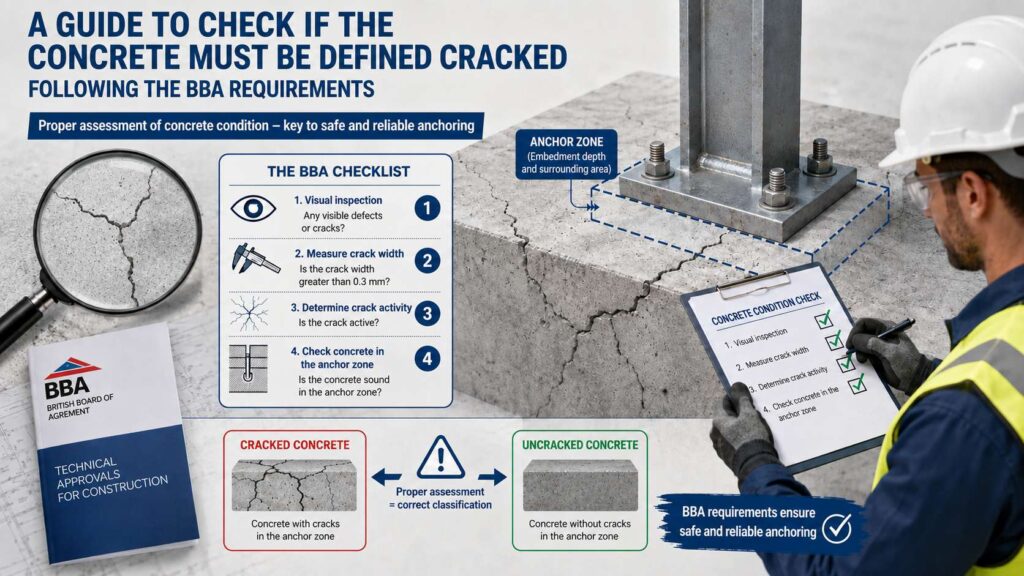


How to calculate the load capacity of a bolt and nut
12 בJuly 2026
Which Block Plug Is Better — ADIT GX-L or Fischer DUOpower?
12 בJuly 2026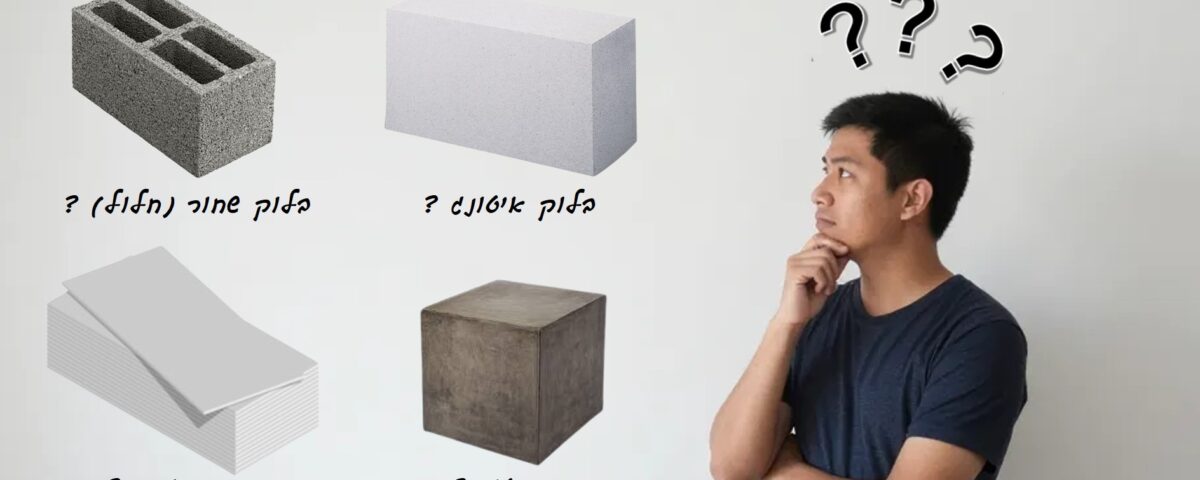
How to Identify Your Wall Type and Match the Right Anchor
Identifying the wall type is the first and most critical step before you drive a nail or drill a hole. Choosing the wrong plug or working method can damage the substrate or, worse, cause the mounted element to collapse from a poor grip. Here is the professional guide that will help you identify your wall with certainty.
In short
Three simple tests identify almost any wall: the knock test (a hollow echo means plasterboard; a dull, hard sound means block or concrete), the pin test (goes in easily means plasterboard; won’t penetrate means block, concrete or brick), and the definitive drilling test (the colour and texture of the powder reveal the material). Then match the anchor: a BA-NY toggle for plasterboard, a GX-L universal plug for hollow block and Ytong, and an HEA Tapper concrete screw for solid or reinforced concrete.
1. The knock test (the simplest method)
Knock with your knuckles on different points of the wall and listen to the returning sound:
- A hollow sound: if you hear an “echo” and the sound of a resonating box, it is likely a plasterboard wall. These walls are mounted on a metal or timber framework, with an empty cavity behind them.
- A dull, hard sound: if the knock feels as though you are tapping on rock with no hollow sound at all, it is a block or concrete wall.
2. The pin test
Try to push a simple pin or tack into a hidden spot (for example behind a door or low near the skirting):
- Goes in easily: the substrate is soft — this is a plasterboard wall.
- Does not penetrate at all: the material is hard — this is a block, concrete or brick wall.
3. The drilling test (the definitive, professional method)
If you are still not sure, drill a small hole with a thin bit (5 or 6 mm diameter) and look carefully at the colour and texture of the powder that comes out:
- Very fine white powder: gypsum. The drilling is very fast and with no resistance.
- Dark grey / black granular powder: pumice block or black block. Light-to-medium drilling; the bit may “drop” into the block cavities.
- Very light white/grey powder: Ytong block (autoclaved aerated concrete). The drilling is soft and uniform all the way.
- Red/brown powder: solid or hollow bricks, common in older construction.
- Light grey, very hard powder: reinforced concrete. You will feel very strong resistance and will need to apply force and use the “hammer” mode on the drill.
A professional’s tip: use the wall’s thickness and location
Beyond the physical tests, architectural logic can tell you a lot:
- Check the door frames: look at the wall thickness at the door frame. Very thin walls (about 10 cm) are usually internal partitions of plasterboard or thin block.
- The wall’s location: in modern construction, external walls (the building envelope) and safe-room walls will always be reinforced concrete or thick blocks. In new construction, by contrast, the walls dividing the internal rooms are usually plasterboard.
Which anchor suits each wall? ADIT’s recommendations
Once you have identified the wall type, it is important to match it with the right anchoring technology to ensure a safe, long-term grip:
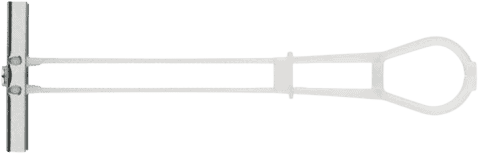
- For plasterboard and hollow walls: plasterboard walls are sensitive to a point load and require an anchor that spreads the weight in the cavity behind the board. The most reliable and strongest solution is the BA-NY American toggle plug for plasterboard and hollow walls, which opens behind the wall and gives a perfect engineering grip even at significant loads.
- For hollow block or Ytong walls: these substrates tend to crumble under the pressure of classic metal anchors. The professional solution for these areas is the GX-L universal plug, which carries a European ETA approval for concrete and blocks. The plug expands and forms a “knot” inside the block cavities, completely preventing pull-out.
- For concrete walls (solid or reinforced): concrete is the strongest substrate. Instead of using plastic plugs for heavy loads, move to modern technology: the HEA Tapper direct-thread concrete screw — a strong, easy and fast solution for fixing to concrete. The screw cuts a thread directly into the concrete, with no intermediate plug, and provides extreme structural durability.
Safety warning before drilling!
Before any drilling into a wall — whatever its type — it is recommended to use a wall scanner. This way you verify there are no hidden water pipes, live electrical wires or metal structures behind the point you chose, which would damage the bit and cause serious harm and a risk of electric shock.
Sources
- ADIT BA-NY toggle, GX-L universal plug and HEA Tapper concrete screw technical data.
- General field guidance on wall identification (knock, pin and drilling tests).