



insert to concrete
HSR
insert to concrete
Technical Specification
- Characteristics : insert to concrete
- Standards pull-out test Factory
Files to Download
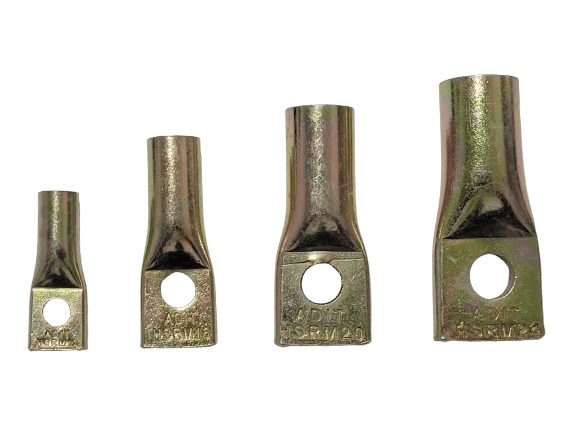
insert to concrete ADIT HSR – insert is the link to an iron rod
Each element concrete pre, every level point and any associated connection is associated with concrete is starting at one anchoring point: insert to concrete. . . insert of Kind ADIT HSR Adit Ltd is insert the branded delivery in concrete before the casting and connected to a flying iron rod, so it “we will” itself within the concrete mass and receives the necessary load of the building, industry and infrastructure.
insert concrete HSR Made of carbon steel from control processed (Cold Formed Carbon Steel) and comes in the zinc glory glories of 5–8 microns, which gives it the proper resistance for space conditions. Within the insert body there is a standard inner ga (M12/M16/M20/M24) that allows a member of the screw, the upper eye, voltage rod, a resident of a rail or any other berging element - after the concrete has struggled and without drilling or making Chemical anchor later.
Important to know: ADIT HSR is an iron-dependent insert – the leaks and the load combined in the technical table conditioners in a standard connection of a flying iron rod In the diameter and length appropriate for the size of the insert. insert installed without an iron rod, or with a non-competitive diameter, will not reach the tax displayed in the specifications.
What is insert for concrete and how it works.
insert to concrete It is a metallic component embedded in the concrete in the lic phase (and is not converted to concrete quasi as Chemical anchor or Wedge anchor). insert ADIT HSR has two complementary “crys”: the outer form of the insert (K002Z) body that creates a mechanical lock within the concrete mass, and a width hole at the insert base in which the insert is replaced. Iron rods flying - which functions as another anchor and significantly increases the total load of the fire.
After the concrete difficulties, the installer approached the top of the insert, where there is The inner vector (Rd) Compliant with a meter standard – and he has to express the necessary element: screw Ein Lema, threaded rod for a rail connection, Bergen for equipment relocation, and more. Since the screw already exists within the concrete, no further report is needed, in Foxi or Chemical anchor on the work site.
A single anchored load table called ADIT HSR (built in connection with an iron rod)
The following table, from the official technical data of Adit, presents the loading load (Nu/Nrd/Nrec) to each of the four QZ growers. All values are embedded in KN and include three levels: Load with ultative failure (You will be checking until you fail) The load will be ready. (After safety fees, use engineering calculation) andRecommended load / service load (For regular use, recommended on the site).
| Size of insert | Nu ultimatic (kN) | Yu is incorporated 45°O (kN) | Nrd is a good load (kN) | YRd is combined with 45°C (kN) load. | Nrec is recommended (kN) | Yrec is incorporated into 45°C (kN) service. |
|---|---|---|---|---|---|---|
| M12 | 38.4 | 33.0 | 16.1 | 15.4 | 11.5 | 11.0 |
| M16 | 60.0 | 51.0 | 28.0 | 23.8 | 20.0 | 17.0 |
| M20 | 75.1 | 62.1 | 40.6 | 33.6 | 29.0 | 24.0 |
| M24 | 97.1 | 74.7 | 54.6 | 42.0 | 39.0 | 30.0 |
Please note: All values in the table conditioned in a standard connection to iron rods In the diameter and throughout the insert (see the “General Data” below). The data refers to a single anchor; multiple sheets should be taken care of minimal distances from the concrete (cmin) and the anchors (smin), as detailed in the following table.
General and Present Data: insert ADIT HSR
The following table concentrates all the installation dimensions required for each size of insert: the length of the insert body, the internal and external screws, the length of the screw, the diameter of the hole to the entrance of the iron rod, the diameter required iron rod (before and after a drum) and the minimum recommended distances.
| Parameter | M12 | M16 | M20 | M24 |
|---|---|---|---|---|
| The length of the screw/the insert H (M) | 60 | 77 | 92 | 100 |
| The inner screwing line, Rd (m.) | 12 | 16 | 20 | 24 |
| External D (M) | 15 | 21 | 27 | 31 |
| The length of the E (M) | 22 | 27 | 35 | 43 |
| The diameter of the hole in the entrance of the Iron F (M) | 10 | 13 | 16 | 18 |
| The iron rod required dB (m) | 8 | 10 | 12 | 14 |
| Iron rod on each side of LB (mm) | 240 | 330 | 440 | 480 |
| The length of the iron rod before a bum (m) | 490 | 670 | 890 | 970 |
| Minimum size to develop a metal pole after a dBr (m) sm. | 24 | 40 | 48 | 56 |
| Minimum distance is recommended from the concrete cmin (M.) | 40 | 45 | 50 | 65 |
| Minimum distance is recommended between the smin genes (m) | 60 | 75 | 90 | 100 |
| McT | 12060HSR | 16080HSR | 20090HSR | 24100HSR |
The drum of the iron rod is not optional. The iron rod is provided straight-length (for example 490 mm for M12) and then isnded into the arch/label form in a minimum open line (dBr) as detailed in the table. The drum is that produces the effect of the concrete and allows insert to reach the complete loaders listed in the specification.
The results of the following tests: insert ADIT HSR (A 243105)
To confirm the insert performance under controlled production conditions, it has performed The company of Adit pull-out test in the factory (Factory Certification Pull-out Test, a 243105 report, date 08-01-2024, was tested by the W engineer. The yang). The test included eight tests that were better than fail in all four insert: M12×60, M16×80, M20×90 and M24×100. The results of the failure (Breaking Load) were measured and distributed in the following table:
| Size of insert | The failure of the test (Breaking Load, KN) |
|---|---|
| M12×60 | 46.0 |
| M16×80 | 66.5 |
| M20×90 | 90.2 |
| M24×100 | 106.8 |
The results interpretation: The failed load measured in the factory test (46.0–10 kN) is higher than the ultimate failure rate (Nu) detailed in the official load table (38.4–97.1 kN), because the factory test is performed under controlled laboratory conditions. However, actual engineering planning should be based on data. The load (Nrd/YRd) andRecommended load (Nrec/Yrec) In the main table, which correspond to the conditions of the area and the necessary safety devices.
Common applications for insert to concrete ADIT HSR
Thanks to the double connection – standard internalization on one hand and anchoring for an iron rod on the other – insert HSR is suitable for a wide range of applications in construction, industry and infrastructure where a reliable connection point is needed for concrete, which is pre-installed at the casting stage:
⁇ concrete Pre (Precast)
The nature of the concrete pre elements – curva, pages, walls and industrial cosculations – to create a future connection point for the screws.
⁇ Level and stay
The high-end eye connection (Lifting Eyes) or the height residency for the concrete element for the maintenance, assembly and installation on the site.
⁇ ⁇ ⁇ ⁇ ⁇ ⁇ ⁇ ⁇ ⁇ ⁇ ⁇ ⁇ ⁇ ⁇ ⁇ ⁇ ⁇ ⁇ ⁇ ⁇ ⁇ ⁇ ⁇ ⁇ ⁇ ⁇ ⁇ ⁇ ⁇ ⁇ ⁇ ⁇ ⁇ ⁇ ⁇ ⁇ ⁇ ⁇ ⁇ ⁇ ⁇ ⁇ ⁇ ⁇ ⁇ ⁇ ⁇ ⁇ ⁇ ⁇ ⁇ ⁇ ⁇ ⁇ ⁇ ⁇ ⁇ ⁇ ⁇ ⁇ ⁇ ⁇ ⁇ ⁇ ⁇ ⁇ ⁇ ⁇ ⁇ ⁇ ⁇ ⁇ ⁇ ⁇ ⁇ ⁇ ⁇ ⁇ ⁇ ⁇ ⁇ ⁇ ⁇ ⁇ ⁇ ⁇ ⁇ ⁇ ⁇ ⁇ ⁇ ⁇ ⁇ ⁇ ⁇ ⁇ ⁇ ⁇ ⁇ ⁇ ⁇ ⁇ ⁇ ⁇ ⁇ ⁇ ⁇ ⁇ ⁇ ⁇ ⁇ ⁇ ⁇ ⁇ ⁇ ⁇ ⁇ ⁇ ⁇ ⁇ ⁇ ⁇ ⁇ ⁇ ⁇ ⁇ ⁇ ⁇ ⁇ ⁇ ⁇ ⁇ ⁇ ⁇ ⁇ ⁇ ⁇ ⁇ ⁇ ⁇ ⁇ ⁇ ⁇ ⁇ ⁇ ⁇ ⁇ ⁇ ⁇ ⁇ ⁇ ⁇ ⁇ ⁇ ⁇ ⁇ ⁇ ⁇ ⁇ ⁇ ⁇ ⁇ ⁇ ⁇ ⁇ ⁇ ⁇ ⁇ ⁇ ⁇ ⁇ ⁇ ⁇ ⁇ ⁇ ⁇ ⁇ ⁇ ⁇ ⁇ ⁇ ⁇ ⁇ ⁇ ⁇ ⁇ ⁇ ⁇ ⁇ ⁇ ⁇ ⁇ ⁇ ⁇ ⁇ ⁇ ⁇ ⁇ ⁇ ⁇
The anchoring point for installation of farmed residents, nuns and temporary and permanent protective frameworks on concrete territory.
- Construction of equipment and systems
Connecting residential communities to merger systems, pipeline, railways and industrial equipment composed of concrete territory.
⁇ Wall Boulevard and panels
anchoring panels, stone/metastagrams and secondary constomerate elements to the concrete wall will be cast.
The rebar and the Boxes
Use as a collateral point in industrial box systems and rebar that require a strong screw connection and return to concrete.
Proper installation of insert to concrete ADIT HSR - step by step
Unlike Chemical anchor or Wedge anchor, insert HSR installed before the launch Not after her. Untrue installation – an uninstalled connection of the iron rod, a wrong position within the mold, or a non-properation on minimal distances – will hit the loades that insert can actually carry. The following steps must be taken:
- Use an iron rod in diameter and the corresponding length to the size of insert
- Subject the iron rod to the DBr that will not be reduced from the minimum required
- tie the iron rod to the existing vision to prevent a pack of snails
- Keep a minimum distance from the concrete (cmin) between each anchor
- Keep a minimum distance between nearby cookies (smin)
- Check the internal screw up struggle/concrete before the screw connection
- Working according to the recommended (Nrd/Nrec) load in engineering calculation
- Installing insert without an iron rod and relying on the table load
- Use a small diameter iron rod required for the size of insert
- Subject the rod in the diameter of a small opening from the defined minimum (dBr)
- Put the insert closer than the minimum distance to the concrete
- Put air space around the insert during the launch
- Missing the screw beyond the recommended load without testing an engineer
- Installing in concrete in the Unknown strength without testing engineering
Warning: All the loads in the fixed table are conditioned in full standard installation, including a suitable iron rod connection. In any doubt, the size of insert, the required iron rod or strength concrete in project, the Adit Ltd engineer must be approached: 054-7976110.
Questions about insert to concrete
insert to concrete It is a metallic component with an inner vector, embedded within the concrete element in the slic phase and intended to be used as a future connection point for the screw, the upper eye, resident or any other fragment of the screw. Unlike Chemical anchor or Wedge anchor installed in concrete, insert to concrete entered into the mold. Before before. The hawk and remains "sent" within the concrete mass.
insert of ADIT HSR is also used in anchoring for an iron rod, which increases the total leakage rate compared to only standard insert.
The main difference is The installation phase:
- insert to concrete: embedded in the format before the casting, without the need to drill after the concrete difficulties.
- Wedge anchor/mechanical anchor: Muberg to the hole drilled in concrete Kushoy, relies on friction and pressed by a guy.
- Chemical anchor: Sticked with a sledged smack in concrete Kush
insert is suitable for cases in which it is known in advance that a future connection point is required, and sometimes provides higher loads compared to the defenders installed after the launch.
Before the casting. The insert is oved with a flying iron rod, tied to the existing vision in the format and direction required, and then the concrete is distributed around it. Only after concrete has difficulty accessing the head of the insert and burying the screw, the brown eye or the desired resilience.
The required iron rod (dB) depends on the size of the insert:
- M12: Iron rod in diameter 8 mm
- M16: Iron rod in diameter 10 mm
- M20: Iron rod in diameter 12 mm
- M24: Iron rod in diameter 14 mm
Using a different diameter of the recommended may damage the supplemental load specified in the technical specifications.
The recommended serviceloads for a single anchor are conditioned in a standard connection to an iron rod:
- M12: 11.5 kN, combined load 45° to 11.0 kN
- M16: 20.0 kN, combined load 45° to 17.0 kN
- M20: 29.0 kN, a combined load 45° to 24.0 kN
- M24: 39.0 kN, a combined load 45° to 30.0 kN
anchoring Engineering is recommended to be based on the Nrd/YRd load, which is detailed in the official table, and consulted with the project engineer.
The drum is that produces the engineering effect of the insert in the concrete. Straight iron rod may be combined with the insert in low-mass, while the vet is circulating into the loop/ arch "catching" in the concrete surrounding it and significantly increasing the total load of the complex. Each size of insert is defined Minimum opening line after a drum (dBr) You should not get off from it.
pull-out load (N): The circulated load is insert (direct direction) from concrete – expresses the xis power of the insert and the iron rod within the concrete mass.
The combined load 45° (Y): The load operated at the 45-degree angle, which combines a smooth component and a gira component together. This load is usually lower than the purely complete burden, and it is detrimental in the area where the force on the complex element does not work in a straight line.
The recommended minimum distances (cmin from the concrete, smin between anchors) vary by the size of insert:
- M12: cmin = 40 mm, smin = 60 mm
- M16: cmin = 45 mm, smin = 75 mm
- M20: cmin = 50 mm, smin = 90 mm
- M24: cmin = 65 mm, smin = 100 mm
Inevitability on the minimum distances may cause the concrete and significant damage to actual leakage tax.
insert Ya HSR was tested at Adit in the official pull-out test (Factory Certification Pull-out Test, a 24-3105 report, 08-01-2024) which included 8 tests of the better to fail in all four sizes: M12×60, M16×80, M20×90 and M24×100. The failed load measured between 46.0 kN (M12) and 106.8 kN (M24), and used to blend the official load table (ultimative failure, adversity and a recommended load).
insert HSR is suitable for any application requiring a screwed connection point to concrete, which is pre-known in the casting phase, such as:
- The elements of concrete pre (cordity, pages, walls, construption elements)
- Level and sublime to concrete elements
- Residents of the Displacements, Fibromas and protective frameworks
- Settlements for equipment and merger/floor/floor/trator/floor systems
- Wall clarifies, panels and secondary construption elements
- Printing and industrial rebar systems
Yes, the internal screw in insert enables the re-connection and dissolution of the screws, the eyes of the level and the settlements, similar to all standard-metry. However, it is recommended to visually check the state of the screw (contract, mechanical injury) before any new connection, and not load the insert beyond the recommended load specified in the technical specifications.
insert HSR is made of carbon steel from control processed (Cold Formed Carbon Steel) and is expected in the Zn) gallon with a thickness of 5–8 microns. The gallon provides basic protection from the originating to insert within the concrete and in a normal work environment. In particularly aggressive environments (seas coast, chemical plants) it is recommended to consult the Adit engineer regarding the platitude for project conditions.